As parents, one of the most exciting and fulfilling projects you can undertake is designing the perfect bedroom space for your little ones. It’s a creative endeavour that allows you to create a safe, comfortable, and inspiring haven where your child can grow, learn, and play.
You’ll need to channel your inner interior designer when choosing the right colour palette and selecting furniture that suits their needs, crucially positioned to make the room feel spacious with maximum floorspace. But designing a kids bedroom is both fun and challenging to transform a room to one they will want to spend time and sleep in.
In this article, we’ll explore some valuable design tips and inspiration to help you create a dreamy bedroom space for your children.
Asking For Their Input
When designing your child’s bedroom, don’t forget to seek their input on bedroom ideas and watch for what is important in their playtime. Involving them in the process fosters a sense of ownership and makes the space more special to them. Ask about their favourite colours, themes, and decor ideas. Whether they adore superheroes, dream of wildlife adventure, or prefer a calming pastel palette, their preferences should guide your choices.
By valuing their input, you not only create a room that reflects their personality but also teach them the importance of decision-making and creative expression. It’s a wonderful way to bond and ensure their bedroom truly feels like their own special sanctuary.
Choosing The Right Bedframe
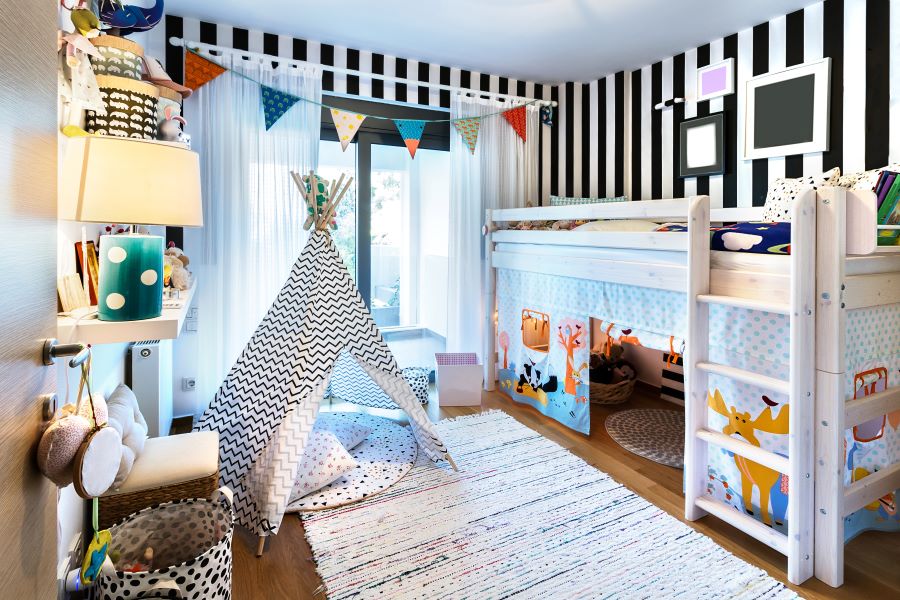
Choosing the right bedframe for a kid’s bedroom is crucial for comfort, safety, and functionality. Go for a sturdy frame made from durable materials like wood or metal, ensuring it can withstand active play and last through the years. Consider the size; a twin bed is ideal for most kids’ rooms, but bunk beds, high sleepers or trundle beds can maximise space in shared bedrooms with built-in storage or room to play or a reading nook underneath.
You might want to consider if you will ever need bigger children’s beds for guests staying, or for the inevitable night with a poorly child. This is when safety features such as guardrails (which are essential for younger children) help if they are easily removable.
Aesthetically, pick a design that complements the room’s theme or style. Finally, prioritise quality and comfort when you’re looking to buy kid’s beds as investing in a quality bed and comfortable mattress can promote restful sleep and overall well-being.
Designing A Safe Space
Designing a safe bedroom for young children is paramount. Start by securing heavy furniture to the wall to prevent tipping accidents. Install cordless window blinds or use cord safety devices to eliminate strangulation risks. Cover electrical outlets with safety caps and keep cords out of reach.
You can find furniture with rounded edges to minimise injury risks, and remove small objects that could be choking risks.
Try A Themed Room
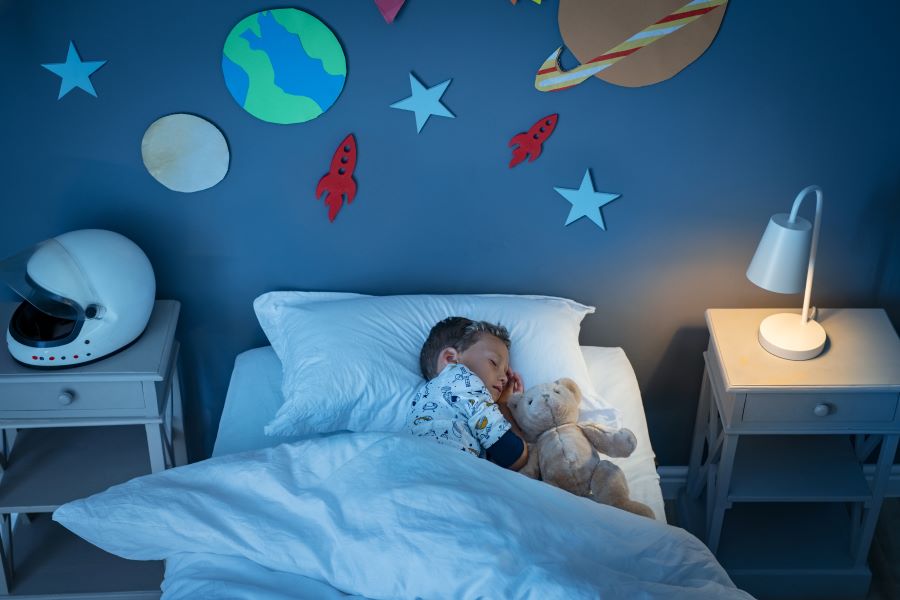
Themed rooms are an excellent choice for a kid’s bedroom for several compelling reasons. Firstly, they stimulate creativity and imagination, providing a visually engaging and inspiring environment for children to grow and explore. These themes can reflect a child’s interests, fostering a sense of ownership and pride in their personal space.
Additionally, creating a themed room can be educational, encouraging children to learn about their chosen theme, whether it’s space, nature, or history. Furthermore, such rooms often create a cohesive and aesthetically pleasing design, making decorating decisions simpler for parents.
Ultimately, themed bedrooms offer a unique and memorable experience that can leave a lasting impact on a child’s development and cherished childhood memories.
Word of warning from experience, kids can speed through themes very fast (my son has gone from dinosaurs to superhero to football in under 2 years). So it’s good to keep the walls neutral rather than themed wallpaper. Instead change curtains, duvet covers, posters etc which can be swapped out with minimal effort and cost.
Choosing The Right Colour Scheme
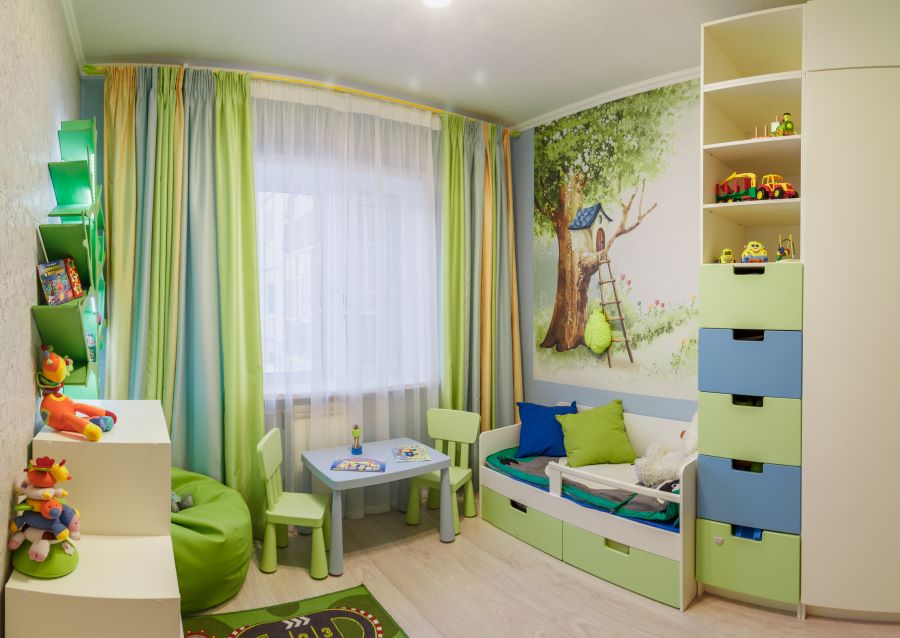
Selecting the perfect colour scheme for a child’s bedroom is a critical design decision. Begin by considering the room’s purpose, and importantly if it will double as a playroom. Soft, calming hues like pastel blues or greens can promote relaxation, while vibrant, energetic colours like red or yellow can stimulate creativity and playfulness.
Gender-neutral options like soothing greys or versatile whites provide flexibility as your child grows up (too fast I may add!). Incorporate your child’s preferences, as their favourite colours can make the space feel more personalised. Additionally, choose colours that complement the room’s theme or decor items.
Striking the right balance between stylish aesthetics and functionality in your bedroom design ensures a harmonious and visually appealing environment that both you and your child will adore.
Lighting And Nightlights
Choosing the right lighting for a children’s bedroom is essential for creating a safe, comfortable, and versatile space. Begin with ambient lighting, such as ceiling fixtures or pendant lights, which provide overall illumination. Task lighting, like desk lamps or reading lights, aids in focused activities like homework or bedtime stories. Incorporate adjustable lighting options to adapt to various needs and moods.
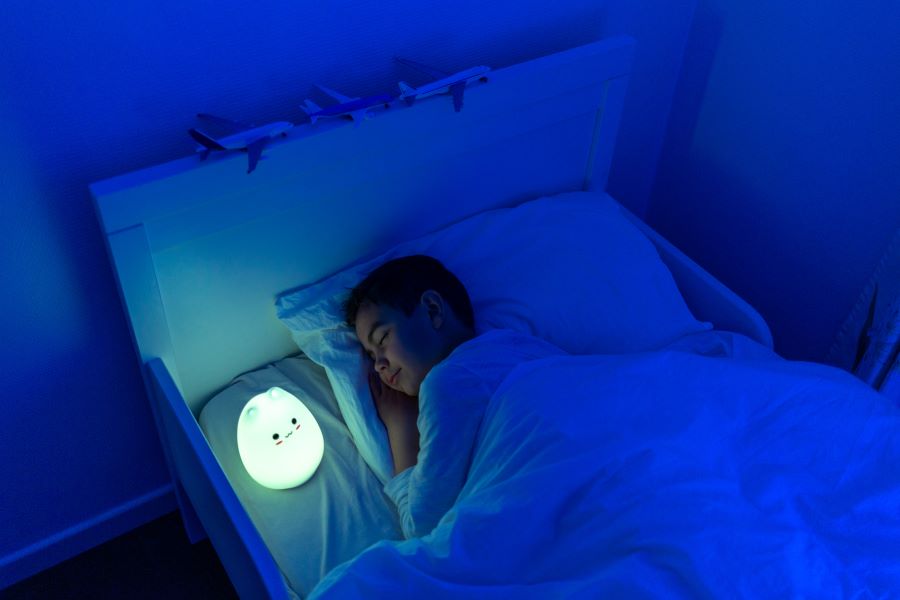
Nightlights are indispensable, offering a gentle glow that provides comfort and security during the night without disturbing sleep. Opt for calming nightlights for children that add a touch of comfort to the room while ensuring that pathways are well-lit. Thoughtful lighting design in a child’s bedroom can enhance both functionality and ambiance.
Artwork And Photos
Selecting artwork for any room is a wonderful way to infuse creativity and personality into the room features. Start with age-appropriate, cheerful pieces that resonate with your child’s interests, whether it’s animals, nature, sports, or their favourite characters. Encourage their artistic expression by displaying their own creations, celebrating their talent, and boosting their confidence.
Incorporate educational art, such as maps, alphabet prints, or inspirational quotes, to inspire learning as well as a playful space. Consider interactive and three-dimensional artwork like wall decals or shelves for displaying small sculptures or collectibles. Adding photos of your family or your child’s favourite people or places can also help make them feel safe and settled in their new room.