Five full-scale Megalosaurus sculptures will appear in the grounds of Blenheim Palace this summer as part of a new outdoor exhibition celebrating Oxfordshire’s place in dinosaur history.
At a glance
| Event | Dinosaurs Are Forever |
| Where | Blenheim Palace Gardens, Woodstock, Oxfordshire, OX20 1PP |
| When | Monday 10 August to Sunday 1 November 2026 |
| Opening time | 10am to 5.30pm, according to Blenheim Palace |
| What visitors will see | Five full-scale reimagined Megalosaurus skeleton sculptures by artist Jay Jay Burridge |
| Admission | Included with a valid Blenheim Palace pass or Park & Gardens ticket |
| Dogs | Not allowed at the exhibition |
| Tickets | Available through Blenheim Palace |
Dinosaurs are set to arrive at Blenheim Palace this summer in a new outdoor exhibition linking contemporary sculpture with one of Oxfordshire’s most important scientific discoveries.
Dinosaurs Are Forever will run from Monday 10 August to Sunday 1st November and will feature five monumental Megalosaurus sculptures in the Palace gardens.
The exhibition has been created by British artist Jay Jay Burridge and Future Fossils in partnership with Oxford University Museum of Natural History and Blenheim Palace.
It is being billed as a first-of-its-kind exhibition for the Woodstock estate, bringing together art, engineering, storytelling and palaeontology against the backdrop of the UNESCO World Heritage Site.
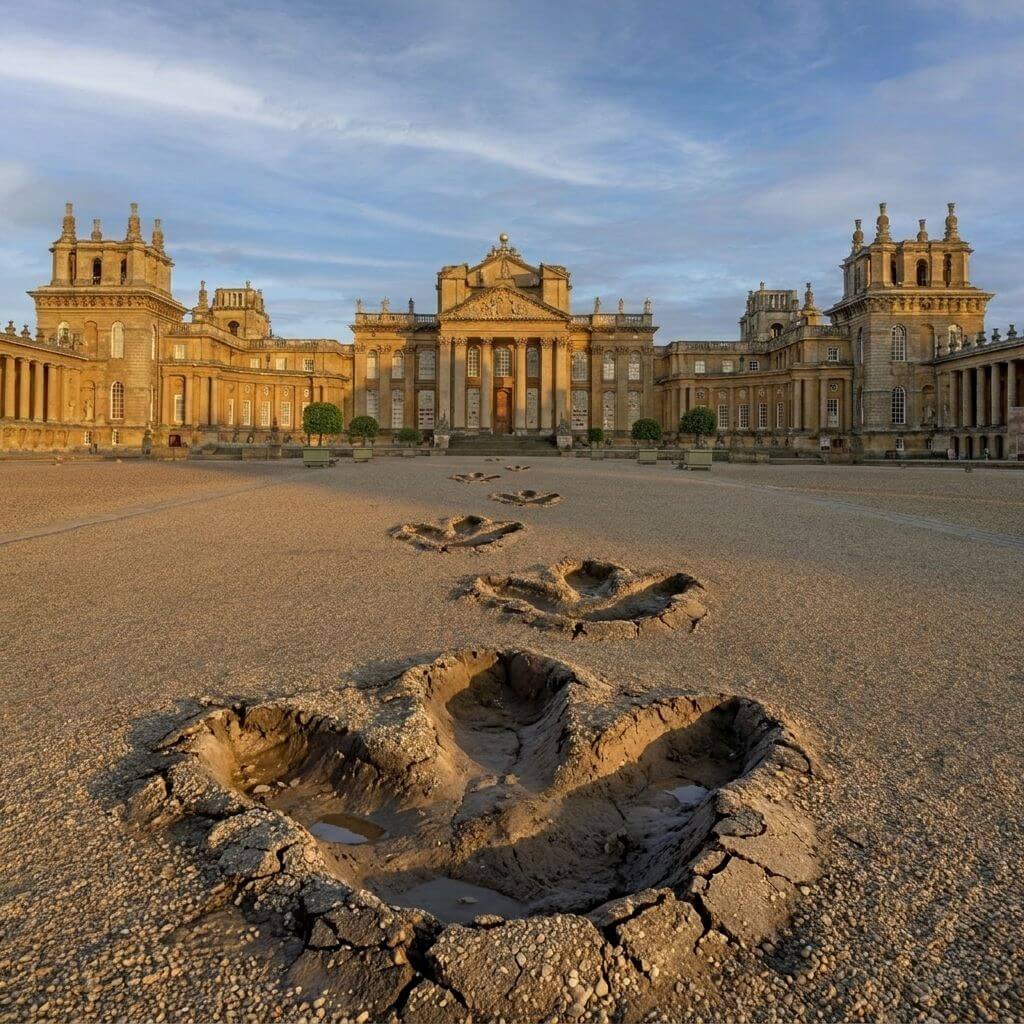
Why Megalosaurus matters in Oxfordshire
The exhibition focuses on Megalosaurus, the first dinosaur to be scientifically named.
Fossils discovered by quarry workers in the Oxfordshire village of Stonesfield were studied by William Buckland, the University of Oxford’s first Reader in Geology. Buckland formally named Megalosaurus in 1824, meaning “great lizard”.
At that point, the word “dinosaur” did not yet exist. It was not until 1842 that Richard Owen grouped Megalosaurus with Iguanodon and Hylaeosaurus under the new term Dinosauria.
Fossil remains of Megalosaurus are now on display at Oxford University Museum of Natural History, where visitors can also see displays exploring Oxfordshire’s wider dinosaur story.
What visitors will see
The five sculptures are not traditional museum reconstructions. Blenheim Palace says they are built from advanced modern materials, designed to be fully articulated and made to reimagine Megalosaurus through a contemporary lens.
Each sculpture is built around a lightweight framework and can be assembled and posed in different configurations. The bones are individually carved by hand, combining traditional sculptural techniques with materials and processes more often associated with engineering, motorsport and aerospace.
The result is intended to sit somewhere between ancient life and future possibility: recognisably dinosaur-like, but deliberately synthetic and futuristic.
The sculptures will make their public debut at Blenheim Palace.
Who is Jay Jay Burridge?
Jay Jay Burridge is a British artist, designer, author and former BBC presenter. Many readers will know him from the children’s art programme SMart, while his wider career has included large-scale toy-inspired sculpture, design work, publishing and dinosaur-themed projects.
His Future Fossils project explores dinosaurs as engineered, contemporary sculptural forms rather than conventional natural history replicas.
Burridge said: “Until now, these dinosaurs existed only in my imagination. These sculptures connect the birthplace of dinosaurs with the technologies shaping our future.
“If Megalosaurus began our understanding of ancient life, the sculptures imagine where the modern world might go next.
“This project takes the first dinosaur and rebuilds it through the lens of modern engineering, asking not what dinosaurs were, but what they could become.”
Why Blenheim Palace is hosting the exhibition
Blenheim Palace says the exhibition will highlight a piece of local history that many visitors may not know: that the first scientifically described dinosaur has its roots in Oxfordshire.
The setting also gives the exhibition a strong family appeal, with the sculptures placed outdoors in the Palace gardens during the summer holidays and into the autumn half-term period.
Heather Carter, Visitor Attraction Managing Director at Blenheim Palace, said: “We are so excited to bring our visitors a brand new experience this summer, and it’s a real first for Blenheim Palace.
“It’s a subject that appeals to all ages and interests, and not many people know about the first ever named dinosaur being discovered here.
“Dinosaurs Are Forever shines a light on the fascinating discovery of these prehistoric creatures right on our doorstep.
“Jay Jay is massively talented; the scale and vibrancy of these sculptures are going to really stand out against the backdrop of Blenheim Palace, so this outdoor exhibition is one not to be missed.”
A summer day out for families
The timing of the exhibition means it will run through the school summer holidays and autumn half term, making it likely to appeal to families looking for an outdoor activity in Oxfordshire.
Because the exhibition is included with a valid Blenheim Palace ticket or pass, visitors can combine it with the wider gardens, parkland and Palace attractions, depending on the ticket they choose.
Visitors should note that dogs are not allowed at the exhibition. Blenheim Palace lists the event as taking place in the gardens from 10am to 5.30pm.
Oxfordshire’s continuing dinosaur story
The exhibition also comes at a time of renewed public interest in Oxfordshire’s prehistoric past.
Oxford University Museum of Natural History notes that Oxfordshire is home to the discovery of the first dinosaur to be scientifically described, Megalosaurus bucklandii, as well as other dinosaurs including Cetiosaurus, Eustreptospondylus and Cumnoria.
More recent discoveries have added to that story. Blenheim Palace points to the dinosaur trackways found at Dewars Farm Quarry near Bicester as evidence that Oxfordshire remains an important place for understanding prehistoric life.
For visitors, Dinosaurs Are Forever offers a chance to connect those scientific discoveries with a large-scale outdoor art experience.
Planning your visit
| Detail | Information |
|---|---|
| Dates | Monday 10 August to Sunday 1 November 2026 |
| Venue | Blenheim Palace Gardens, Woodstock, Oxfordshire |
| Time | 10am to 5.30pm |
| Admission | Included with a pass or Park & Gardens ticket |
| Best for | Families, dinosaur fans, art lovers and visitors interested in Oxfordshire history |
| Dogs | Not permitted at the exhibition |
| Booking | Book through Blenheim Palace |
FAQs
When is Dinosaurs Are Forever at Blenheim Palace?
The exhibition runs from Monday 10 August to Sunday 1 November 2026.
Where will the dinosaur sculptures be displayed?
The sculptures will be displayed in Blenheim Palace Gardens in Woodstock, Oxfordshire.
Is the exhibition included with admission?
Yes. Blenheim Palace says the exhibition is included with a valid pass or Park & Gardens ticket.
What dinosaur is the exhibition based on?
The exhibition is based on Megalosaurus, the first dinosaur to be scientifically described. Fossils from Stonesfield in Oxfordshire were studied by William Buckland, who named Megalosaurus in 1824.
Who created the sculptures?
The sculptures were created by British artist Jay Jay Burridge through Future Fossils, in partnership with Oxford University Museum of Natural History and Blenheim Palace.
Are the sculptures scientific reconstructions?
No. They are contemporary sculptural interpretations of Megalosaurus rather than traditional museum reconstructions.
Can visitors bring dogs?
No. Blenheim Palace’s event information says dogs are not allowed at the exhibition.
Where can people book tickets?
Tickets and visitor information are available through the Blenheim Palace website.