Two Oxfordshire environmental charities have launched a £25,000 fundraising campaign to protect the county’s remaining curlews along the Upper Thames.
Trust for Oxfordshire’s Environment (TOE) and Wild Oxfordshire say only around 60 breeding pairs are left in the county. Without urgent action, they fear the wader, and its distinctive call, could disappear locally.
Curlews are one of the oldest lineages of sandpiper-type waders; their crescent bill has inspired their scientific name. There are nine recognised Numenius species worldwide; in Britain the species of concern is the Eurasian curlew.
Why it matters
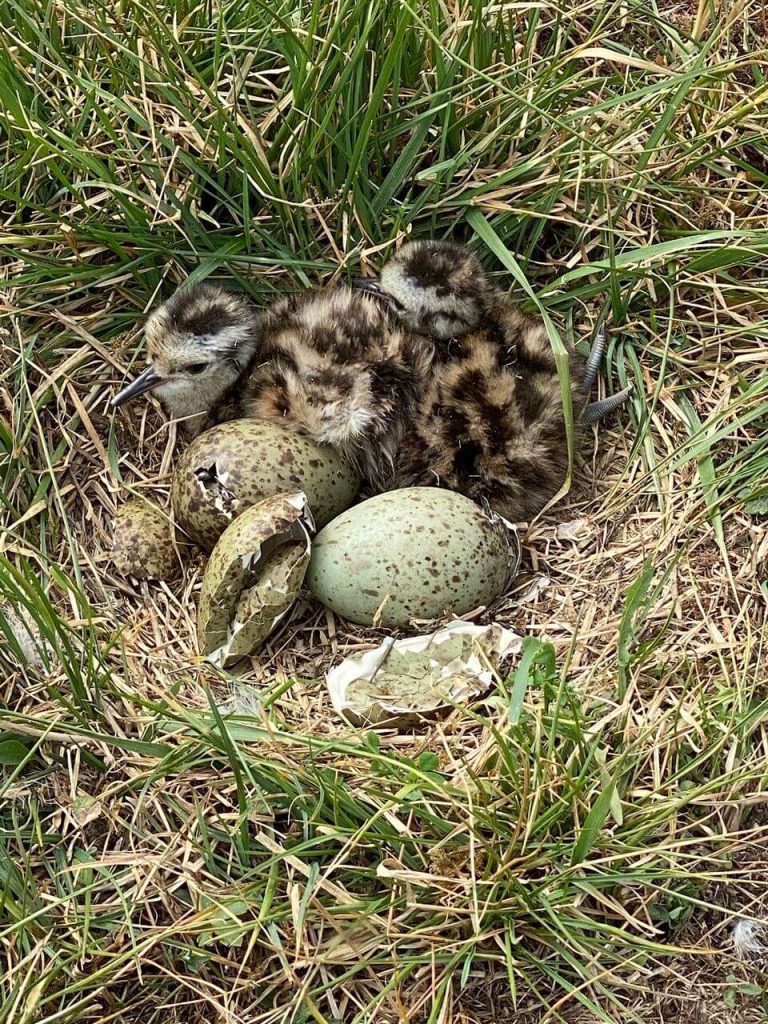
Curlews are ground-nesting birds. Their eggs and newly hatched chicks are highly vulnerable. Across the UK the curlew population has halved in 25 years and the species sits on the national Red List. Loss of wetlands and meadows, intensive farming and predation by foxes and crows are the main pressures.
Oxfordshire is home to about 10% of the UK’s lowland breeding curlews, making the county a key stronghold.
What the money will fund
- Scaling up nest-finding and temporary electric fencing to protect eggs and chicks.
- A project coordinator to work with farmers, volunteers and land managers.
- Monitoring to track hatching and fledging success.
Every pound donated will be match-funded by TOE and the Aviva Community Fund, doubling the value of public contributions.
Results so far
The Curlew Partnership, led by Wild Oxfordshire, has brought together volunteers and farmers over the last five years. They report:
- 110 nests protected with temporary electric fencing.
- 74% hatching success, compared with a national average of around 25%.
- 61 young curlews fledged.
Quotes
Ben Heaven Taylor, CEO, Trust for Oxfordshire’s Environment:
“It is our last chance to ensure that curlews can continue to live and thrive in their traditional breeding grounds along the Upper Thames and its tributaries. We know what works—now we need to scale it up urgently.”
Camilla Burrow, Chief Executive, Wild Oxfordshire:
“This is a once-in-a-lifetime opportunity to keep this iconic species in our county. We want future generations to hear the curlew’s call across Oxfordshire’s meadows and wetlands, and we’re grateful to everyone able to contribute.”
What is a curlew?
Curlews are wading birds in the genus Numenius, known for their long, down-curved bills and mottled brown plumage. In the UK, when people say “curlew” they almost always mean the Eurasian curlew (Numenius arquata).
- Name & call: The word “curlew” imitates the bird’s fluting call; the genus name Numenius likely refers to a “new moon”, nodding to the bill’s crescent shape.
- Family: Sandpipers and allies (Scolopacidae). Godwits are close relatives (they have straight bills).
- Status: Red-listed in the UK (urgent conservation concern). Globally, Eurasian curlew is classed as Near Threatened.
- Habitats: Wet meadows, floodplains and rough pasture in the breeding season; estuaries and coasts in winter.
At a glance
- Target: £25,000 (public donations match-funded)
- Focus: Upper Thames breeding curlews
- Lead charities: Wild Oxfordshire and Trust for Oxfordshire’s Environment
- Need: Only ~60 pairs left in Oxfordshire; species Red-listed nationally
Give online via the Crowdfunder page: Help us save the last curlews of the Upper Thames.
All public donations are match-funded by TOE and the Aviva Community Fund.
Curlew quick questions
- How do I recognise one? Large wader, long legs, long down-curved bill, warm brown speckled plumage; the call is a rising, bubbling “cur-lee”.
- When are they here? Breeding birds use river meadows in spring and early summer; outside breeding, most UK curlews favour coasts and estuaries.
- Why are numbers falling? Loss of wet grassland and meadows, changes in land use, and higher predation on exposed ground nests.
- How can I can help during nesting season (Mar–Jul)? keep dogs on leads near nesting fields, reporting sightings to TOE.