

















Traditional British pubs are a declining institution thanks to a constant battle against rising overheads in a desperate bid to stay trading. In 2000 there were approximately 68’000 pubs in the UK, and this dropped to 45’000 in 2024. This is no surprise, considering continuing rising prices, the smoking ban in 2006, and the Covid pandemic in 2020.
With supermarkets offering crates of beer for cheaper than the cost of two pints out, it’s no surprise people are happier drinking alcohol in their own home and garden than the local public house.
Of course the pub can offer something more. It’s a great social environment with cosy corners, live music and banter. Plus no tidying up required after hosting. The after work pint is staple, plus everyone needs a place to mark life’s milestones or first date.
Oxford in particular is blessed with some fantastic pubs, with plenty in the countryside too offering fantastic Sunday roasts so good Michelin agree.
In some small towns, the village pub is the hub of the community and vital to keeping residents connected to their neighbours. So how exactly do landlords at British pubs keep this connection alive?
The Heart of the Community: Understanding British Pubs Culture
The pub’s role as a social centre dates back to Roman tabernae, the predecessors to modern taverns. While the direct lineage is symbolic, the concept of gathering around food, drink, and conversation persists.
Many of today’s pubs still operate out of buildings that are hundreds of years old, merging historic charm with present-day needs. Indeed, the Guinness Book of Records say the oldest pub in England is The Porch House (Stow on the Wold) with the Cotswolds establishment dating back to 947 AD.
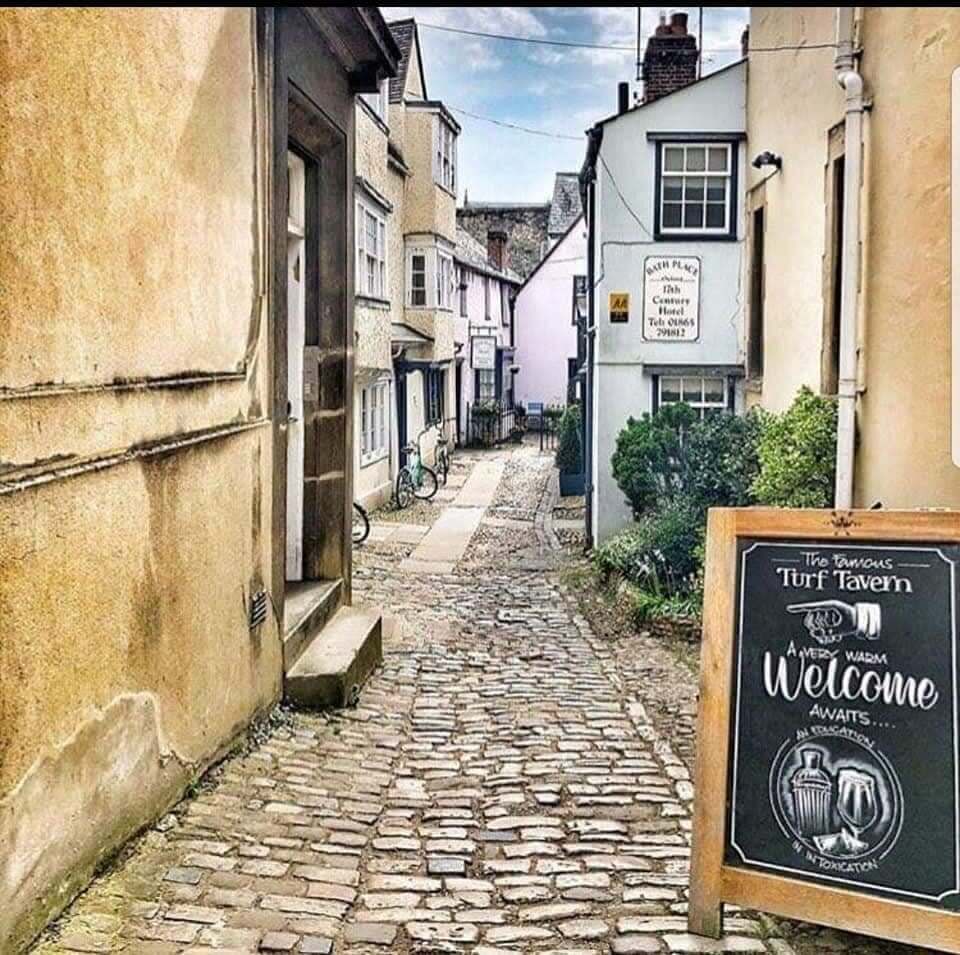
With age comes character of course, the Turf Tavern and the Bear Inn are great examples with the drinking house buildings date back to the 18th century.

Case Study: The Eagle & Child, Oxford – Past, Present, and Future
One of the most iconic examples of pub-as-heritage is The Eagle & Child in Oxford. Once the regular meeting place of The Inklings, a literary group of writers that included J.R.R. Tolkien and C.S. Lewis, the pub has become globally revered as a sacred space of creativity and camaraderie.
Closed since 2020, the pub is currently undergoing a highly detailed conservation and reinvention project. Funded by Oracle billionaire Larry Ellison and integrated into his new Ellison Institute of Technology (EIT) campus, the project aims to restore The Eagle & Child as both a traditional pub and a visionary social space for scholars, technologists, and the Oxford community.
Highlights of the Revitalisation Plan:
- Heritage-focused restoration led by Foster & Partners and Donald Insall Associates
- Preservation of original features, including the famous Rabbit Room
- Addition of a bakery-café, elevated pub dining, and communal scholar lounges
- Reimagined as a “place for brilliant minds to come together,” echoing its literary past with a future-facing twist
This example underscores how pubs can preserve historical identity while adapting to evolving societal roles, serving not only as places to drink but also as meaningful venues of cultural, intellectual, and communal life.
Local Outlook: Oxfordshire’s Resilience in Hard Times
Across the UK, pub closures have accelerated. According to the British Beer and Pub Association and CAMRA data, over 1,200 pubs closed (even temporarily) in 2024, up from 1,000 in 2023. The total number of pubs in England and Wales has now fallen below 39,000, a stark decline from around 50,000 just a decade ago.
Yet Oxford presents a striking contrast.
Not only is The Eagle & Child slated for a 2027 comeback, but several other Oxford pubs have recently reopened or undergone transformation:
- The Lamb & Flag, reopened in 2022 after a community-led campaign
- Slow & Steady (formerly The White House), relaunched in 2024 by Dodo Pub Co.
- The Head of the River, Plough, and Port Mahon have all received significant investment
In rural Oxfordshire, pubs like the Red Lion in Northmoor and the Bat and Ball in Cuddesdon have been revived, proving that the pub revival isn’t confined to cities.
Even as national closures persist, Oxfordshire’s trajectory shows that strategic reinvention and community support can defy the odds.

Gastropubs: Where Quality Dining Meets Pub Soul
The birth of the gastropub, coined in 1995, has become one of Britain’s most enduring pub evolutions and a shining example of adapting for your customer needs. Starting with The Eagle in Farringdon, gastropubs now blend restaurant-quality food with the casual charm of a local.
Today, venues like The Bear & Ragged Staff in Cumnor and The Kingham Plough in Chipping Norton show that diners increasingly value when you mix the traditional English inn with fine dining:
- High-end food in relaxed settings
- Provenance and artisanal sourcing
- Menus that balance fine cuisine with traditional pub dishes made with locally-sourced ingredients
- Inclusive environments for families, and even dogs
Even the upcoming Eagle & Child revival echoes this trend, combining elevated pub dining and bakery-fresh offerings with a preserved historic setting.
As society leans toward intentional, less frequent but higher-value outings, gastropubs have emerged as the democratic gateway to fine dining, delivering turbot and sticky toffee pudding side by side, always with a pint close at hand
The Pub as a Reflection of Local Identity and Architecture
Pubs often reflect the character of their neighbourhood. Architectural features like Tudor beams, flagstone floors, or Victorian facades root them in their locale, while their names, often referencing local landmarks or events in history, strengthen community identity.
Pro Tip for Pub Owners: Use your pub’s story and architectural features as unique selling points on your website, local listings, and social media bios to boost visibility. Any USP like the Bear Inn tie collection, or Turf Tavern’s Harry Potter link all bring in extra crowds.

Evolving Aesthetics: From Cosy to Contemporary
Many patrons cherish the traditional ambiance that feature dark wood bar and stools, roaring fireplace, vintage signage and cosy nooks that create a warm, nostalgic atmosphere. However, newer pubs are now embracing contemporary design. Exposed brick and beams, brass fittings, and open-concept layouts appeal to a younger, experience-driven audience.
Some opt for sleek, minimalist designs with open spaces and industrial materials, attracting younger crowds who, more than just a drink, want an experience.
Many are pulling in the crowds with a varied range of craft beers, gins or imported lagers to make it a watering hole of choice with the connoisseur. in 2025, it’s been noticeable how many non-alcoholic options are available on draft, at the same price naturally. This shows tapping into the Dry January market to great effect, and that it’s not just about the spirits collection.
Community Events: The Secret to Ongoing Engagement
Successful pubs avoid stagnation by offering recurring and themed events like:
- Pub quizzes
- Live music
- Comedy Nights
- Local food pairings
- Board game or film nights
- Darts or Pool nights
These events not only create a lively social atmosphere and generate revenue, but also cultivate return visits for locals and lasting community ties.
My dad goes to his local for the Sunday quiz every week without fail, it’s a sure-fire for a landlord to get repeat business.
Marketing Strategies: How to Build a Buzz Around Your Pub
Effective marketing is crucial in attracting both new and returning customers to your pub. Handing out flyers in the local area can increase foot traffic, while using social media platforms such as Instagram is vital for targeting younger customers.
The visual nature of Instagram allows you to showcase your pub’s atmosphere and events, engaging with potential customers before they even step through the door. It can be used to showcase what’s on offer, with cask ales on draught at the bar, or a thirst quenchingly cold cider in the beer garden on a sunny day.
Landlord Tip: Think Beyond the Pint
Thriving pubs invest in both experience and infrastructure:
- Reviewing your level of pub insurance and licensing to match events and traffic with potential risks like theft or property damage
- Offer contactless and pre-booking options
- Embrace non-alcoholic ranges as part of a modern menu
- Factor in pricing strategy, with Oxford’s average pint now £5.42, value perception matters
Summary: Keys to Keeping Pubs Central to UK Life
| Strategy | Purpose |
|---|---|
| Celebrate Local Heritage | Builds trust and cultural relevance |
| Embrace Gastropub Evolution | Balances food profitability with pub tradition |
| Run Recurring Events | Sustains local interest and community retention |
| Use Visual Marketing | Drives discoverability and engagement |
| Prepare Operationally | Aligns business with modern standards and demand |
| Promote Local Successes | Inspires hope and competitive positioning |
| Integrate Data & Trends | Grounds the narrative in fact-based industry insight |














