

















Encouraging continuous improvement is one of the most powerful ways to ensure your business thrives, especially in competitive B2B environments. But simply having the intention isn’t enough. To truly embed this mindset, you need a clear strategy, buy-in from leadership, and active participation from employees at every level.
Here’s how to make it happen.

Set a Clear Vision and Lead by Example
Every change starts with leadership. As a leader, your role is to define what continuous improvement looks like in your business and explain how it supports your wider goals.
Don’t just talk about improvement, demonstrate your commitment. Allocate time for improvement projects, host problem-solving sessions, and reward new ideas. When your team sees improvement is a priority at the top, they’re more likely to take it seriously.
Empower Your Team with Training and Trust
Empower employees at all levels by giving them the confidence and permission to suggest change. This means:
- Creating an open environment where ideas are welcomed
- Offering training in lean thinking or root cause analysis
- Giving teams access to advanced tools or test equipment to evaluate improvements
- Letting employees own the results
When people feel trusted and equipped, they engage more deeply with the success of the business.
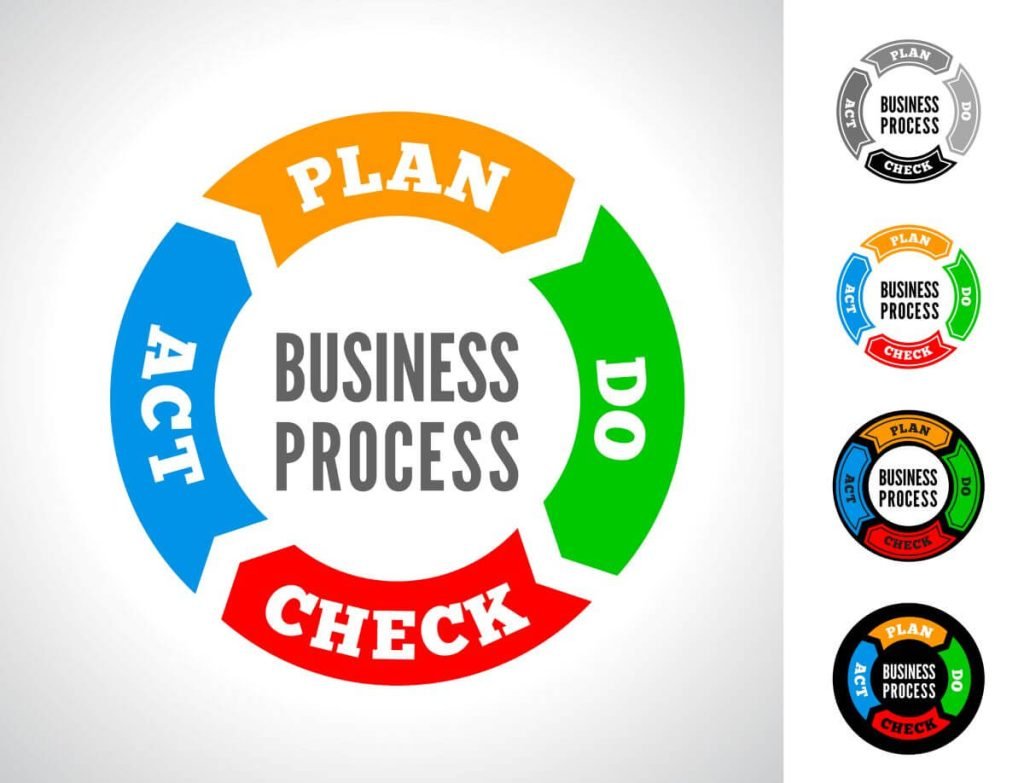
Apply Proven Improvement Frameworks (PDCA, DMAIC)
Structured frameworks take the guesswork out of change. Two popular ones are:
- PDCA (Plan-Do-Check-Act): Great for testing and refining ideas quickly
- DMAIC (Define, Measure, Analyse, Improve, Control): Ideal for fixing specific process problems
These models help teams understand the why, what, and how behind changes, making them more effective and measurable.
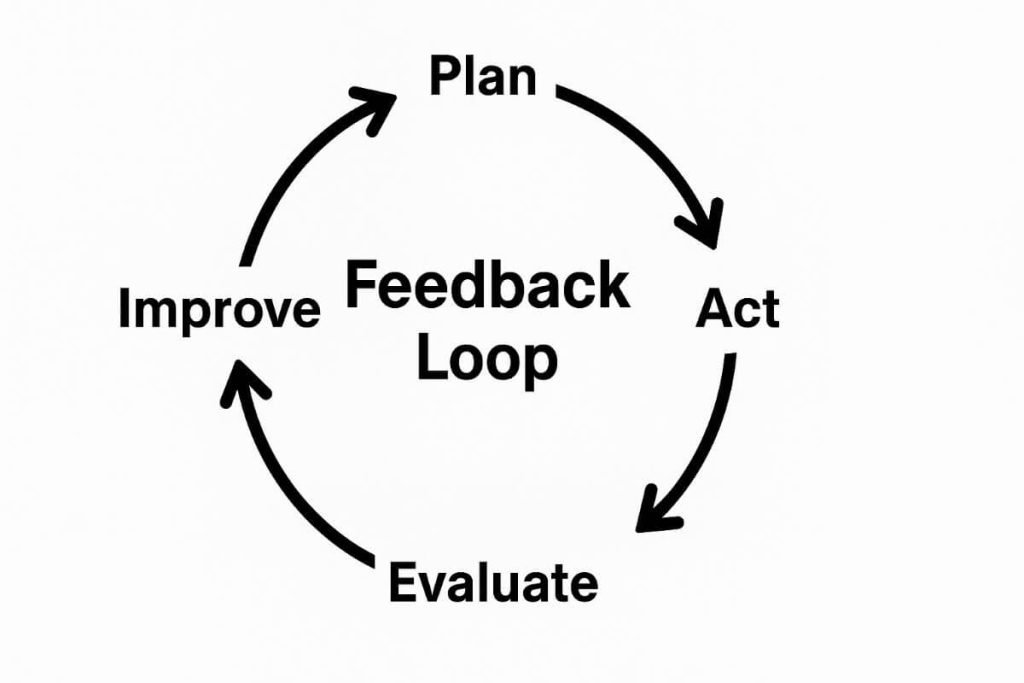
Build Two-Way Feedback Loops That Work
If employees don’t feel heard, momentum dies quickly. Encourage regular feedback loops through:
- Weekly team huddles or retrospectives
- Digital suggestion boxes
- Performance dashboards
- Quick improvement stand-ups
Most importantly, act on the feedback. When people see their input drives change, engagement skyrockets.
Track Progress with Smart Continuous Improvement KPIs
Introduce simple but powerful metrics like:
- Cycle time: Time to complete one improvement loop.
- Quality yield: Percentage of outputs meeting quality standards.
- Employee idea submissions: A direct measure of team engagement.
- Implementation rate: % of suggested ideas that are trialled or adopted.
Recognise and Reward Small Wins to Build Momentum
Even small improvements deserve recognition. Whether it’s shaving a few minutes off a process or finding a cheaper supplier, highlight these efforts.
You can:
- Share successes in internal newsletters
- Reward contributors with recognition or incentives
- Include improvement KPIs in team performance reviews
- Celebration reinforces the culture you’re building and inspires others to join in.
Tap Into UK Support: Innovate UK, LEPs, Growth Hubs
- Innovate UK: Provides R&D grants and funding for innovation-driven projects.
- Local Enterprise Partnerships (LEPs): Offer regional funding, skills development, and mentoring. In Oxfordshire, for instance, OxLEP helps local businesses scale by connecting them to funding streams, leadership training, and innovation support.
- Growth Hubs: Deliver free, localised business support services tailored to SMEs.
Final Thoughts: Make Continuous Improvement Everyone’s Job
Building a culture of continuous improvement doesn’t happen overnight. But with clear leadership, empowered teams, structured approaches, and constant feedback, your business can unlock real performance gains—without major overhauls.
Would you like a one-paragraph summary, or this styled into an HTML-ready article block for publishing?
CI Starter Checklist: What to Get Right Before You Begin
Before Launching a CI Initiative:
Define a clear improvement vision
Secure leadership buy-in
Train staff in PDCA or DMAIC
Set up open feedback channels
Recognise quick wins














