

















Oxford has many must see tourist attractions, but also many obscure hidden gems not on many guides. Beyond the well-trodden paths of the Radcliffe Camera and Christ Church College lies some fantastic things to see, just waiting to be discovered.
Whether you are a literature lover, history buff, or just looking for something different, here are some of Oxford’s best-kept secrets.
The Literary Trail: Follow in the Footsteps of Oxford’s Great Writers
The City of Dreaming Spires nickname it’s self comes from a poem by Victorian poet Matthew Arnold. So it’s no surprise that Oxford University provided education to some pf the most famous writers England has produced. Here’s some of the many places associated with some literary greats:
The Eagle and Child
A 400-year-old pub where The Inklings, a literary group including J.R.R. Tolkien, C.S. Lewis, and Charles Williams, met weekly in the 1940s and 1950s to discuss their works. Many ideas for The Lord of the Rings and The Chronicles of Narnia were shared over drinks here.
The pub was nicknamed “The Bird and Baby” by the group. The Rabbit Room, where they sat, still has memorabilia dedicated to the Inklings.
Address: 49 St Giles’, Oxford OX1 3LU (Currently closed but you can see the outside)
Nearby: Lamb & Flag Pub (also linked to the Inklings), St John’s College (Tolkien taught here).

The Story Museum
A unique museum dedicated to storytelling, featuring interactive exhibits, soundscapes, and live performances. One of the highlights is Tea with the Mad Hatter, a fully immersive Alice in Wonderland experience. The museum also celebrates Oxford’s literary legacy, from Philip Pullman (His Dark Materials) to T.S. Eliot and Oscar Wilde.
Address: 42 Pembroke St, Oxford OX1 1BP
Best Time to Visit: Weekdays are quieter. Events and storytelling sessions are held regularly so check the story museum website for schedules.
C.S. Lewis’s Grave
C.S. Lewis, the author of The Chronicles of Narnia, is buried at Holy Trinity Church, close to his home in The Kilns. The church’s stained glass windows depict characters from Narnia, a rare tribute to a fantasy author in a religious setting. His gravestone bears a simple yet profound inscription: “Men must endure their going hence.”
Address: Holy Trinity Church, 46-48 Quarry Rd, Oxford OX3 8NU
Tip: The church is usually open to visitors, and guided tours occasionally include The Kilns, Lewis’s former home.
J.R.R. Tolkien’s Grave
Tolkien’s final resting place is at Wolvercote Cemetery, where he lies beside his wife, Edith. Their shared gravestone bears the names Lúthien and Beren, characters from his legendarium representing true love, loss, and sacrifice.
Address: Wolvercote Cemetery, Banbury Rd, Oxford OX2 8EE
Tip: The cemetery is about 2 miles from the city centre. Visitors often leave Elvish notes, flowers, and The One Ring replicas on his grave.
Nearby: Tolkien’s former homes on 20 Northmoor Road and 76 Sandfield Road.
Alice’s Shop
A Victorian sweet shop that Alice Liddell, the inspiration for Alice in Wonderland, frequently visited. It was immortalized as the “Old Sheep Shop” in Through the Looking-Glass. Today, it is a bookstore and souvenir shop, selling Alice-themed gifts, first editions, and rare memorabilia.
Address: 83 St Aldate’s, Oxford OX1 1RA
Best Time to Visit: Mornings are quieter, and weekends can be busy with tourists.
Nearby: Christ Church College, where Lewis Carroll (Charles Dodgson) taught mathematics and met Alice Liddell.
‘Alice in Wonderland’ Windows
Inside St. Margaret’s Church, these stained glass windows depict characters from Alice in Wonderland, a rare example of a fantasy story commemorated in a religious setting.
Address: St Margaret’s Church, 25 St Margaret’s Rd, Oxford OX2 6RX
Tip: The church is often open to visitors, but it is best to check service times before visiting.
‘Alice Door’
A little-known carved door in St Frideswide’s Vicarage, attributed to Alice Liddell, featuring motifs and designs inspired by Alice in Wonderland.
Address: St Frideswide’s Church, Oxford 21 Botley Rd, Oxford OX2 0BL
Saint Margaret’s Well
A medieval holy well located in Binsey, linked to Lewis Carroll’s inspiration for Alice’s Adventures in Wonderland. This well appears in the story as the treacle well, from which the Dormouse tells tales.
It was historically known for its healing properties and is part of the ancient St. Margaret’s Church, which dates back to the 12th century.
Address: Binsey, Oxford OX2 0NG
Tip: The well is a pleasant 20-minute walk from Oxford city centre, through Port Meadow, offering scenic views along the way.
Quirky & Unusual Museums of Oxford
Oxford has some fascinating and unique museums for science, archaeology, and anthropology.
Pitt Rivers Museum
A world-renowned anthropological and archaeological museum, founded in 1884 when General Augustus Pitt Rivers donated his vast private collection of cultural artifacts. It is famous for its eclectic and densely packed displays, arranged by type rather than geography, offering a comparative look at how different cultures approached everyday life.
Key Exhibits:
- Shrunken Heads (Tsantsas) – Sourced from the Jivaroan people of South America, these controversial items were part of ritual warfare.
- The Haida Totem Pole – A 37-foot Indigenous totem pole from Canada.
- Ancient Japanese Samurai Armor – One of the finest examples of Edo-period armour.
Address: South Parks Rd, Oxford OX1 3PP
Entry: Free
Tip: The museum’s low lighting and Victorian-era wooden cases create an immersive, almost eerie experience.
Nearby: Oxford University Museum of Natural History (in the same building).
Oxford Museum of the History of Science
Housed in the world’s oldest surviving purpose-built museum building (constructed in 1683), this museum is a treasure trove of scientific history, displaying early astronomical, mathematical, and medical instruments.
Key Exhibits:
- Einstein’s Blackboard – Used by Albert Einstein himself during a lecture in Oxford in 1931.
- Astrolabes & Navigational Tools – Some dating back to the Islamic Golden Age.
- Early Microscopes & X-ray Machines – See how medical discoveries evolved.
Address: Broad St, Oxford OX1 3AZ
Entry: Free
Tip: The museum offers public lectures and workshops, often featuring demonstrations of historical experiments.
Nearby: The Bodleian Library and The Sheldonian Theatre.
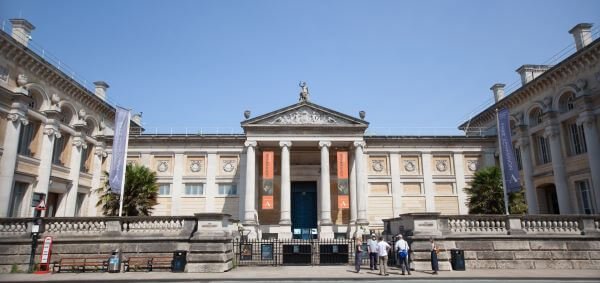
Ashmolean Museum of Art and Archaeology
Founded in 1683, the Ashmolean is the oldest public museum in Britain and one of the world’s leading art and archaeology institutions. It houses Egyptian mummies, Renaissance paintings, and Anglo-Saxon relics, making it one of the most diverse museums in Oxford.
Key Exhibits:
- The Alfred Jewel – A stunning 9th-century Anglo-Saxon artifact, believed to be linked to King Alfred the Great.
- The Lantern of Guy Fawkes – Allegedly used by Fawkes during the Gunpowder Plot of 1605.
- Greek & Roman Statues – Some of the finest classical sculptures in the UK.
Address: Beaumont St, Oxford OX1 2PH
Entry: Free (Special exhibitions may have fees)
Tip: The rooftop café offers a stunning panoramic view of Oxford.
Nearby: Oxford Playhouse, Martyrs’ Memorial, Beaumont Palace Marker.
The Bate Collection of Musical Instruments
A hidden gem showcasing over 1,000 historic musical instruments, spanning from the medieval period to the present day. The collection includes:
- Early Harpsichords & Pianos – See the evolution of keyboard instruments.
- Wind & Brass Instruments – Some dating back to the Baroque period.
- Rare Stringed Instruments – Including an early Stradivari violin.
Address: Faculty of Music, St Aldate’s, Oxford OX1 1DB
Entry: Free (Donations welcome)
Tip: Live demonstrations are sometimes held.
Nearby: Christ Church College, Alice’s Shop.
Oxford Museum of Natural History
Founded in 1860, this museum houses some of the most significant fossils and specimens in the UK, alongside historic scientific displays.
Key Exhibits:
- The Dodo Remains – The most complete remains of a dodo, one of the world’s most famous extinct species.
- The Oxford Dinosaur Collection – Fossils of the Megalosaurus, the first dinosaur ever scientifically described (1824).
- Charles Darwin’s Specimens – Collected during his voyages on HMS Beagle.
Address: Parks Rd, Oxford OX1 3PW
Entry: Free
Tip: The gothic architecture of the museum is just as fascinating as its exhibits.
Nearby: Pitt Rivers Museum (in the same building).
All Souls College Library
A prestigious, private library, rarely open to the public, but one of Oxford’s most architecturally stunning academic spaces.
Address: Oxford OX1 4AL (Access by appointment)
Entry: Restricted – only academics and researchers are allowed inside.
Nearby: Radcliffe Camera, University Church of St Mary the Virgin.
The Norrington Room (Blackwell’s Bookshop)
Part of Blackwell’s Bookshop, this massive underground bookstore was once the largest single room devoted to books in the world (measuring 10,000 square feet).
Address: Blackwell’s Bookshop, 48-51 Broad St, Oxford OX1 3BQ
Entry: Free (but good luck leaving without buying a book!)
Tip: Blackwell’s frequently hosts author readings and book signings.
Nearby: Bodleian Library, Sheldonian Theatre.
The Museum of Oxford
The only museum dedicated to the history of Oxford itself, offering a look at the city’s transformation over 1,000 years.
Key Exhibits:
- The Origins of Oxford University – How the city became the world’s leading university hub.
- Medieval & Industrial Oxford – From the Saxon period to the industrial revolution.
- Oxford’s Role in WWI & WWII – Learn about Oxford’s strategic significance.
Address: St Aldate’s, Oxford OX1 1BX
Entry: Free
Tip: Offers interactive digital exhibits and family-friendly activities.
Nearby: Carfax Tower, Oxford Town Hall.
Mysterious & Haunted Oxford
Oxford is a city with centuries of history which goes hand in hand ghost stories, eerie legends, and tragic pasts.
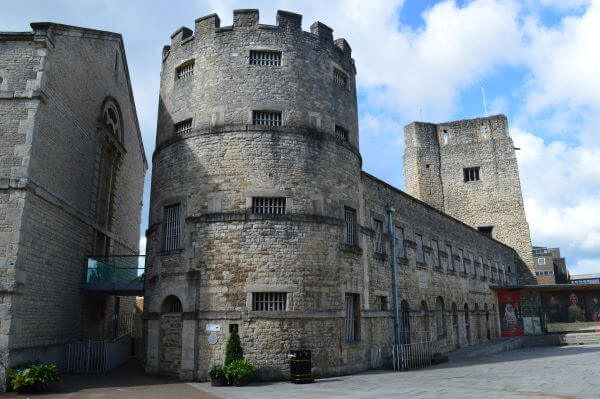
Oxford Castle & Prison (Ghosts of the Victorian Prisoners)
Originally built in 1071 by Norman baron Robert D’Oyly, Oxford Castle later became a prison, housing criminals until 1996. Today, it is a historical attraction and hotel, but its chilling past still lingers. Many prisoners met gruesome fates here, including public executions. Visitors and staff have reported eerie occurrences, from unexplained noises to shadowy figures in the former prison cells.
Ghostly Legends:
- The ghost of Mary Blandy, executed in 1752 for poisoning her father, is said to haunt the castle.
- Disembodied whispers and shadows have been seen in the former prison corridors.
- Paranormal tours allow visitors to explore Oxford’s darker history after dark.
Address: 44-46 Oxford Castle, Oxford OX1 1AY
Entry: £11.75-£18.50 standard tickets (Ghost tours available)
Tip: Visit at night for the full haunted experience.
Nearby: Carfax Tower, The Bear Inn (Oxford’s oldest pub).
Annora’s Tomb (The Anchorite’s Cell)
Hidden within St Mary’s Church, Iffley, lies the final resting place of Annora, a 13th-century anchoress (a woman who chose to be permanently walled into a small cell for prayer). Annora lived her days completely isolated, dedicating her life to solitude and religion.
Legends & Mystery:
- It is believed that Annora’s spirit still lingers in the church, and some visitors report a strange sense of peace or unease inside the chapel.
- Some say whispering prayers can be heard at night when the church is empty, strangely when it’s windy.
Address: St Mary’s Church, Iffley, Oxford OX4 4EJ
Entry: Free
Tip: The church itself is a stunning example of Norman architecture, making it worth a visit beyond its ghostly associations.
Nearby: Iffley Lock and Riverside Walk.
Martyr’s Mark (Oxford Martyrs’ Memorial)
This unassuming stone cross in the middle of Broad Street marks the exact location where three Protestant clergymen (Hugh Latimer, Nicholas Ridley, and Thomas Cranmer) were burned at the stake in 1555-1556 under Queen Mary I’s rule.
Why It’s Significant:
- During the Marian Persecutions, these men were executed for their religious beliefs.
- Legend says that on certain nights, a faint glow of fire appears on the pavement where they were burned. Especially for those coming out of the pub.
- The memorial itself is a larger neo-Gothic monument at St Giles’, but this hidden cross marks the exact execution site.
Address: Broad St, Oxford OX1 3BJ
Entry: Free
Nearby: Balliol College, The Sheldonian Theatre.
The Painted Room (Hidden Shakespearean Treasure)
Inside a seemingly ordinary former Crown tavern on Cornmarket Street lies a hidden medieval room covered in stunning Elizabethan-era paintings. Believed to have been visited by William Shakespeare, this site remains one of Oxford’s best-kept secrets.
Historical Importance:
- Originally part of a 13th-century inn, later converted into a tavern.
- The intricate wall paintings date back to the 16th century, featuring stunning floral patterns and heraldic symbols.
- Shakespeare is believed to have stayed here while performing at Blackfriars Hall in Oxford.
Address: 3 Cornmarket St, Oxford OX1 3EZ (Tours available by appointment which are very rare)
Tip: One of Oxford’s most overlooked historical treasures, book a private tour for an exclusive experience.
Nearby: Oxford Covered Market, St Michael at the North Gate
The Divinity School (The ‘Hogwarts Infirmary’)
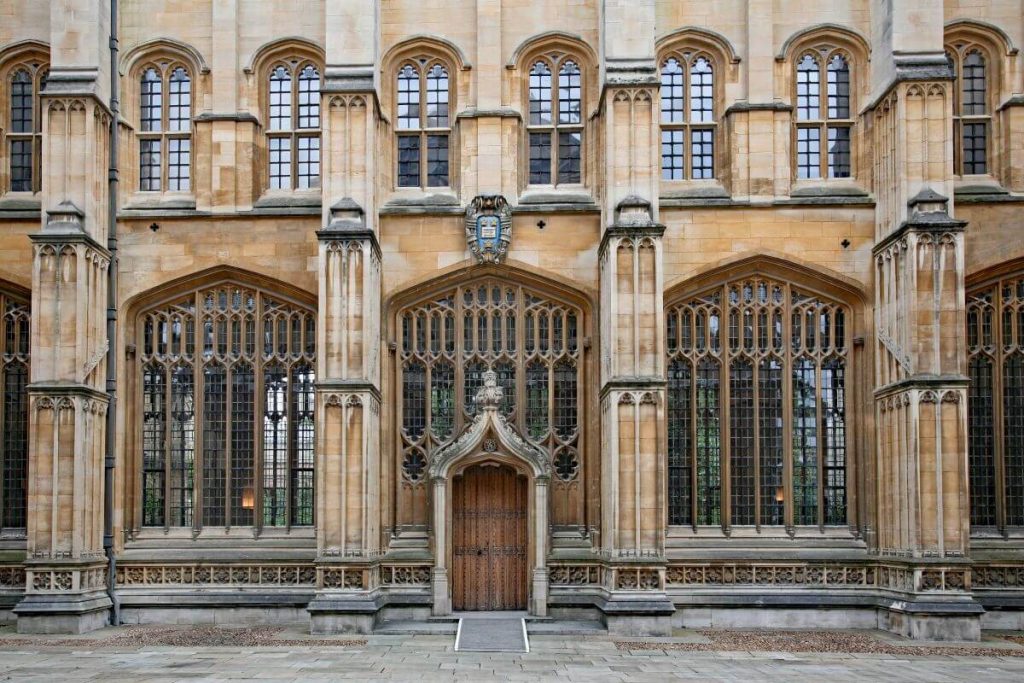
One of the oldest surviving lecture halls in Oxford, built in the 15th century, the Divinity School is renowned for its stunning Gothic fan-vaulted ceiling. However, it is also famous for its role in the Harry Potter films, serving as Hogwarts’ infirmary in multiple scenes.
Haunting Stories & Mystical Feel:
- Some believe the room has an unexplained presence, possibly due to its centuries of academic debates and theological discussions.
- The eerie silence and ancient architecture give it a mystical, almost otherworldly atmosphere.
Address: Bodleian Library Complex, Oxford OX1 3BG
Entry: £10 30 minute tour.
Tip: Look up at the ceiling, its intricate carvings are among the best in England.
Nearby: Bodleian Library, Radcliffe Camera.
Another Time II (The ‘Haunted’ Statue)
Standing alone and staring into the distance, Antony Gormley’s mysterious statue Another Time II is one of Oxford’s strangest modern art installations. This life-size, ghostly iron figure stands above the rooftops on Walton Street, often mistaken for a real person standing ominously on the edge.
What Makes It Creepy?
- The silent, expressionless figure creates an eerie presence.
- Some locals believe it moves slightly over time, as if shifting positions.
- At night, its shadow casts a haunting silhouette over the street below.
Address: Walton Street, Oxford OX2
Tip: Best viewed at dusk so its silhouette against the evening sky is truly unnerving.
Nearby: Jericho Tavern, Port Meadow.
Historic & Architectural Wonders
Oxford is renowned for its stunning architecture, blending medieval structures, Georgian facades, and modernist designs. These sites highlight Oxford’s architectural evolution, from its Saxon origins to bold contemporary statements.
The Saxon Tower at St. Michael at the North Gate
Oxford’s oldest surviving structure, built in the 11th century, this Saxon-era tower once served as the main entrance to the city. Visitors can do the official tour to climb the narrow spiral staircase to get one of the best panoramic views of Oxford.
Why It’s Important:
- One of the few remaining Saxon buildings in England.
- Houses an ancient clock and original church door, believed to date from the 1060s.
- Thomas Cranmer, one of the Oxford Martyrs, was held here before his execution.
Address: Cornmarket St, Oxford OX1 3EY
Entry: £3:50 (Climb to the top for the best views)
Tip: A great alternative to Carfax Tower for city views, but with more history.
Nearby: Covered Market, Carfax Tower, Golden Cross Arcade.
Penrose Paving at the Mathematical Institute
This fascinating non-repeating tiling pattern covers the entrance to Oxford’s Mathematical Institute and is named after Sir Roger Penrose, an Oxford professor and physicist.
Why It’s Special:
- The Penrose tiling is a mathematical breakthrough, creating a pattern that never exactly repeats.
- Unlike traditional floor designs, this pattern could theoretically extend infinitely without repetition.
- The paving serves as a subtle tribute to Oxford’s mathematical legacy.
Address: Mathematical Institute, Woodstock Rd, Oxford OX2 6GG
Entry: Free (Publicly visible outside the building)
Tip: A must-see for math enthusiasts and lovers of unusual architecture.
Nearby: Worcester College, Radcliffe Observatory Quarter.
The Sheldonian Theatre
Designed by Sir Christopher Wren in 1664, this stunning theatre is used for Oxford University’s grand ceremonies, concerts, and lectures.
Architectural Highlights:
- Features an iconic painted ceiling by Robert Streater, depicting the triumph of truth over ignorance.
- The interior is shaped like a D, inspired by Roman theatres.
- No central supporting pillars, a major engineering feat in its time.
Address: Broad Street, Oxford OX1 3AZ
Entry: £3-£5 (Check for concerts & public lectures)
Tip: Climb to the cupola for panoramic views over Oxford’s rooftops.
Nearby: Radcliffe Camera, Bodleian Library.
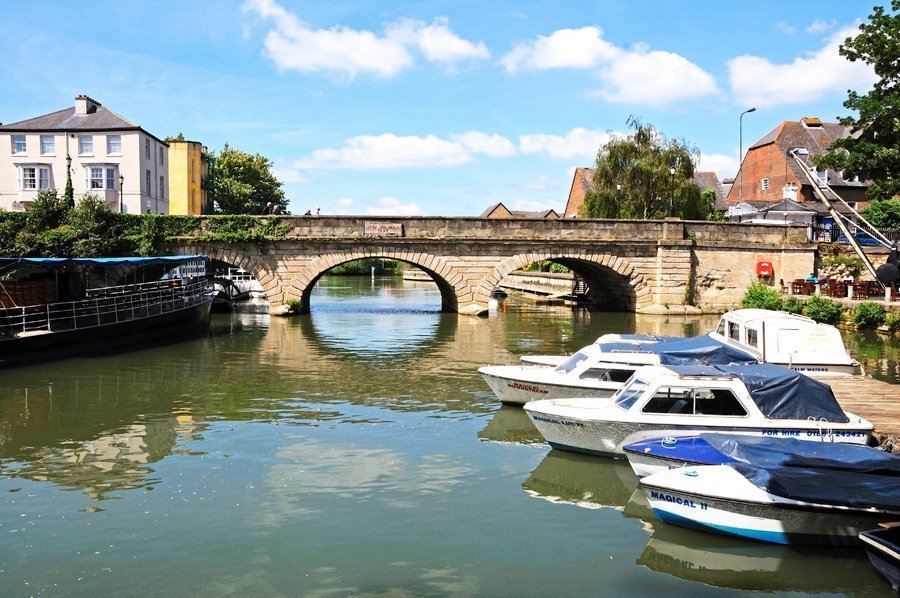
Folly Bridge
A picturesque bridge spanning the River Thames, Folly Bridge is believed to have given Oxford its name, derived from “Oxenaforda” (a ford where oxen could cross the river).
Historical Significance:
- Site of a medieval ford used since Saxon times.
- Philosopher Roger Bacon lived nearby in the 13th century, conducting early scientific experiments.
- Best spot for punting in Oxford, with scenic views of the river.
Address: Abingdon Road, Oxford OX1 4LB
Entry: Free
Tip: Rent a punt from nearby Magdalen Bridge Boathouse and explore the river.
Nearby: Christ Church Meadows, Head of the River Pub.
Beaumont Palace Marker
Though the palace itself no longer exists, this commemorative plague marker denotes the site where King Richard the Lionheart and King John were born. Beaumont Palace was once a royal residence, but it fell into ruin after the 13th century.
Address: Beaumont Street, Oxford OX1 2NP
Entry: Free (Historical plaque)
Tip: Look for the blue plaque marking its location on a modern building.
Nearby: Ashmolean Museum, Worcester College.
Rewley Road Swing Bridge
A rare example of 19th-century railway engineering, this abandoned swing bridge once served the Oxford Rewley Road railway station, but it fell into disrepair after the station closed in 1951.
Why It Matters:
- One of the last surviving swing bridges in Oxfordshire.
- Currently at risk of disrepair, with preservation efforts ongoing.
- Represents Oxford’s lost industrial past.
Address: Rewley Road, Oxford OX2 0DP
Entry: Free (Visible along the Thames Path)
Tip: A hidden gem for industrial history lovers—best visited during a walk along the Oxford Canal.
Nearby: Said Business School, Oxford Castle Quarter.
St. Catherine’s College (Oxford’s Modernist Marvel)
Designed in 1962 by Danish architect Arne Jacobsen, St. Catherine’s College is a striking departure from Oxford’s usual Gothic and Neoclassical styles.
Architectural Highlights:
- The minimalist concrete and glass design contrasts sharply with Oxford’s historic buildings.
- Features Jacobsen-designed furniture, making it a functional work of art.
- Waterfront gardens create a serene retreat from the city.
Address: St Catherine’s College, Manor Road, Oxford OX1 3UJ
Entry: Limited public access (Best viewed from the outside)
Tip: Great spot for those interested in modern architecture and Danish design.
Nearby: The Oxford Botanic Garden, Magdalen College.
Magdalen College Gargoyles
One of Oxford’s most fascinating hidden details, the grotesque gargoyles of Magdalen College adorn its oldest buildings, depicting everything from demons to bizarre animal hybrids.
Why They’re Famous:
- Some gargoyles are centuries old, while others were added in recent restorations.
- Many represent medieval fears and superstitions, warding off evil spirits.
- A fun ‘gargoyle hunt’ can be an exciting activity for visitors.
Address: Magdalen College, Oxford OX1 4AU
Entry: £10
Tip: Visit during spring to see the college’s deer park, a rare feature in university grounds.
Nearby: Addison’s Walk, The High Street.
Unusual Oxford Landmarks & Hidden Gems
Oxford is full of lesser-known landmarks and quirky hidden spots, each with a fascinating backstory.
Oak Beams, New College Oxford
Inside New College’s Great Hall, you’ll find centuries-old oak beams with a legendary story of self-sustainability. According to tradition, when the beams needed replacing in the 19th century, the college discovered that their founders had planted oak trees centuries earlier specifically for this purpose.
Address: New College, Oxford OX1 3BN
Entry: £8 (Access includes gardens & chapel)
Tip: One of the most beautiful medieval dining halls in Oxford.
Nearby: The City Wall & New College Gardens, Queen’s Lane.
James Sadler Plaque (First English Hot Air Balloonist)
James Sadler, an Oxford pastry chef turned pioneering aeronaut, made history in 1784 by launching Britain’s first manned hot air balloon. His achievements paved the way for modern aviation.
Why It’s Important:
- Sadler’s first flight reached 3,600 feet, a daring height for the time.
- He went on to develop early military rockets and tested hydrogen balloons.
- The plaque commemorates his humble beginnings in Oxford.
Address: On the wall of Merton College, in Deadman’s Walk, Oxford OX1 4JD
Entry: Free (Plaque on private property, viewed from the street)
Tip: While in the area, take a short walk to the Radcliffe Camera.
Nearby: Trinity College, Balliol College, The Bodleian Library.
Morris Garage (Birthplace of Morris Cars)
Oxford played a pivotal role in the history of British motoring, with William Morris (later Lord Nuffield) founding Morris Motors here in 1912. His factory produced some of Britain’s first mass-produced cars, making Oxford a major player in the automotive industry.
Address: Oxford OX3 7LF (Historic site now part of a modern complex)
Entry: Free (Historical marker)
Tip: Visit the Oxford Bus Museum for vintage Morris vehicles on display.
Nearby: Oxford Brookes University, Headington Shark.
Eagle Ironworks (Forgotten Industrial Heritage)
A once-thriving foundry that played a key role in the Industrial Revolution, producing iron goods, railway components, and machinery. Now mostly demolished, the site holds an important place in Oxford’s manufacturing history.
Address: Eagle Ironworks, Oxford OX2 0DP
Entry: Free (Historical plaque)
Tip: If you enjoy industrial history, visit Didcot Railway Centre nearby.
Nearby: Oxford Canal Walk, Jericho neighbourhood.
Jane Burden’s Birthplace (Pre-Raphaelite Muse & Social Reformer)
Jane Burden, born in Oxford’s working-class district, became a symbol of Pre-Raphaelite beauty, inspiring poets and painters, including Dante Gabriel Rossetti and William Morris. Despite her humble origins, she became a cultural figure and advocate for the arts.
Address: St Helen’s Passge
Entry: Free (Plaque visible from the street)
Tip: Visit the Ashmolean Museum to see Pre-Raphaelite paintings of Jane Burden.
Nearby: Christ Church Meadows, Oxford Castle Quarter.
Sir James Murray’s Post Box (Oxford English Dictionary Connection)
Sir James Murray, the first editor of the Oxford English Dictionary (OED), had a red post box installed outside his house so contributors could send in word definitions directly. Many of the first entries for the OED were submitted via this very letterbox.
Address: 78 Banbury Rd. OX2 6LQ
Entry: Free (Post box still in use today)
Tip: While here, grab a pint at The Lamb & Flag, one of Oxford’s oldest pubs.
Nearby: The Eagle and Child, Keble College, Ashmolean Museum.
Queen’s Lane Coffee House (Oldest Coffee House in Europe?)
This 17th-century café, founded in 1654, claims to be the oldest coffee house in Europe. It played a key role in Oxford’s intellectual and political discussions, where scholars and thinkers met to debate philosophy, science, and literature.
Why It’s Special:
- Coffee houses like this were the original meeting places of scholars, before universities had common rooms.
- Some early Royal Society members are said to have discussed scientific ideas here.
- Its historic interior retains much of its 17th-century charm.
Address: 13-14 Queen’s Lane, Oxford OX1 4AW
Entry: Free (Just buy a coffee)
Tip: Try the Turkish coffee for an authentic old-world experience.
Nearby: Radcliffe Camera, The High Street, University Church of St. Mary the Virgin.
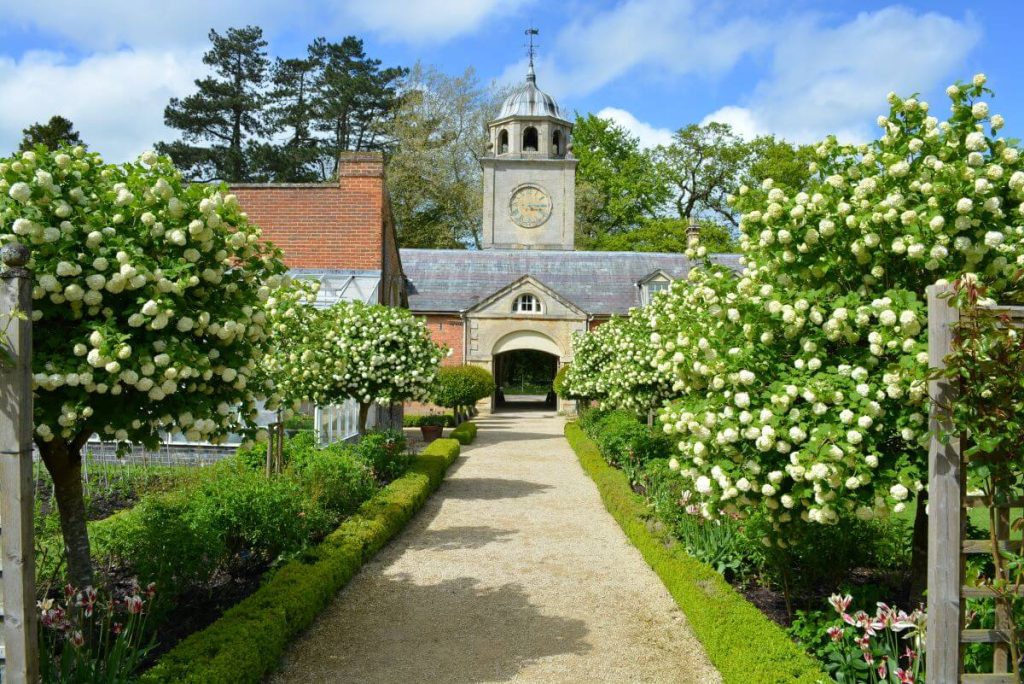
Outdoor Retreats & Scenic Spots
Oxford is not just about historic buildings and literary landmarks—it also boasts beautiful green spaces, serene riverside walks, and hidden natural retreats perfect for relaxation and exploration. These outdoor spots offer a breath of fresh air away from the busy city streets.
Oxford Botanic Garden (Oldest Botanical Garden in England)
Founded in 1621, the Oxford Botanic Garden is the oldest in the UK and one of the oldest in the world. Originally created to grow medicinal plants for scientific study, today it houses over 6,000 plant species, including rare and exotic specimens from around the world.
Why Visit?
- Rare & Exotic Plants: Features plants from every climate zone, including carnivorous plants, ancient ferns, and alpine flowers.
- Literary Connections: J.R.R. Tolkien was inspired by the ancient trees here, including the famous Black Pine, thought to have influenced Middle-earth’s forests.
- Glasshouses & Walled Gardens: The Victorian glasshouses contain tropical rainforests, while the walled garden dates back to the 17th century.
Address: Rose Lane, Oxford OX1 4AZ
Entry: £7.20 (Adults), Free for University Members
Tip: Visit in spring for the best floral displays, or in autumn for golden tree canopies.
Nearby: Magdalen Bridge, Christ Church Meadows, The Isis River Walk.
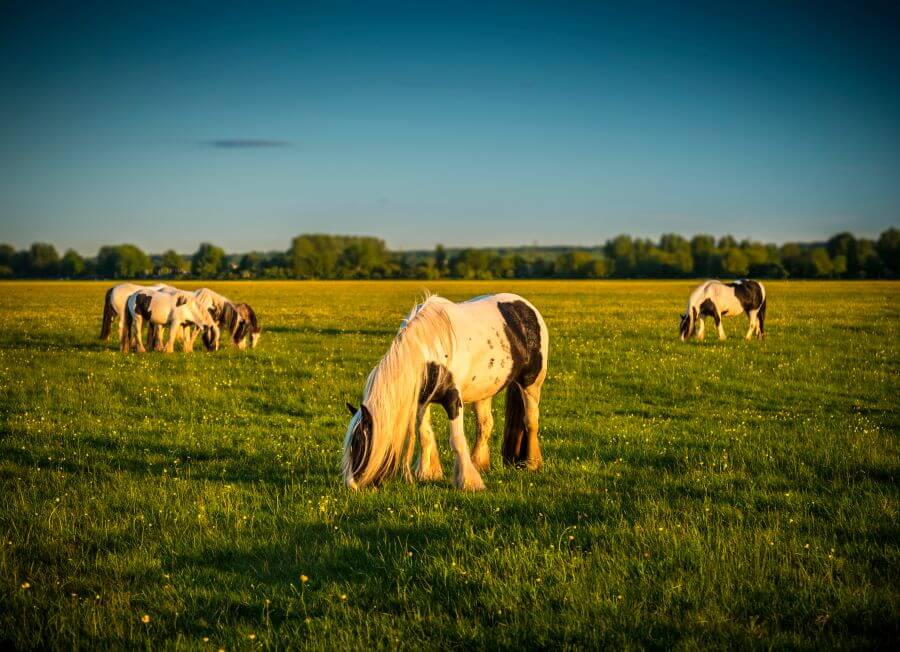
Port Meadow (Oxford’s Ancient Grazing Land)
One of Oxford’s oldest and most scenic open spaces, Port Meadow has remained unchanged for over a thousand years. Given to the people of Oxford by King Alfred the Great, it is one of the last remaining common lands in England where animals still graze freely.
Why Visit?
- Perfect for Walks & Picnics: Wide open meadows, riverbanks, and stunning sunset views make this a peaceful retreat.
- Wildlife Haven: Home to wild ponies, cattle, swans, and rare bird species.
- Historic Connections: The meadow has been inhabited since the Bronze Age, and remnants of Iron Age settlements have been discovered here.
- Riverside Pub Stop: Enjoy a drink at The Perch, a historic riverside pub dating back to the 17th century.
Address: North Oxford, OX2 (Accessible from Walton Well Road & Godstow Road)
Entry: Free
Tip: For a scenic walk, follow the Thames Path from Oxford to the ruins of Godstow Abbey.
Nearby: The Perch (riverside pub), Medley Footbridge, The Thames Towpath.
Local Legends & Trivia
Oxford is steeped in history, myths, and fascinating local tales that add an extra layer of intrigue to the city. From royal connections to bizarre urban legends, these spots provide a glimpse into Oxford’s hidden past.
Beaumont Palace Marker (Birthplace of Richard the Lionheart and King John)
Beaumont Palace, once a grand royal residence, was the birthplace of King Richard the Lionheart (1157) and King John (1167). Although the palace itself no longer exists, a historical marker commemorates its location.
Why It’s Significant:
- The palace was originally built in the 12th century for King Henry I as a royal hunting lodge.
- Richard the Lionheart spent little time in England, as he was often engaged in military campaigns, but his birthplace remains an important historical site.
- King John, known for signing the Magna Carta, was also born here, adding to the site’s royal connections.
Address: Beaumont Street, Oxford OX1 2NP
Entry: Free (Historical plaque on a modern building)
Tip: Look for the blue plaque marking its location. While the palace is long gone, the site is now home to the Ashmolean Museum and Worcester College.
Nearby: Ashmolean Museum, Worcester College.
The Headington Shark (Oxford’s Most Surreal Landmark)
One of Oxford’s most bizarre and controversial pieces of public art created by artist John Buckley, this 26-foot fiberglass shark was installed illegally in 1986 by local journalist Bill Heine, who wanted to make a statement about nuclear weapons. It remains embedded in the rooftop of a suburban home.
Fun Facts & Controversy:
- The local council tried to have it removed, but public support saved it.
- It was officially recognized as a protected landmark in 2016.
- Visitors are often shocked to stumble upon it unexpectedly in a quiet residential street.
Address: 59 New High Street, Headington, Oxford OX3 7AL
Entry: Free (viewed from the street)
Tip: For a quirky experience, grab a coffee at the nearby Caffè Nero and admire the shark.
Nearby: Shotover Country Park, Oxford Brookes University.
The Duck Sijctghen (Oxford’s Bird Sensation)
One of Oxford’s strangest stories is that of the Duck Sijctghen, a 17th-century waterfowl that became a local sensation. Her devoted owners commissioned a painting by Dutch artist Aelbert Cuyp (1620–1691), which hangs in the Ashmolean’s still life gallery.
What Happened?
- In 1673, an unusual duck appeared in Oxford, drawing large crowds.
- It was said to have strange markings and odd behaviour, leading people to believe it was a foreign species or a magical creature.
- Local scholars debated whether it was a hybrid, a divine omen, or a new species.
Address: Painting at the Ashmolean Museum, Beaumont Street, Oxford OX1 2NP
Tip: Though the Duck is long gone, keep an eye out for the deer in Magdalen College or the famous Addison’s Walk ducks!
Nearby: The Turf Tavern, The Radcliffe Camera, Christ Church Meadow.
Drinking, Dining & Café Recommendations
Oxford’s rich history isn’t just found in its buildings and museums—it’s also woven into its pubs, cafés, and restaurants. From medieval inns to literary watering holes, these spots offer a taste of the city’s past, alongside great food and drink.
The Perch (Historic Thatched Pub on the River Thames)
One of Oxford’s oldest pubs, dating back over 800 years, The Perch is a picturesque thatched inn tucked away near Port Meadow. It has long been a favourite spot for writers, scholars, and locals looking for a quiet escape from the city.
Why Visit?
- Frequented by Lewis Carroll, who is said to have told early versions of Alice in Wonderland stories here.
- Features a beautiful beer garden with views of the Thames.
- Offers classic English dishes with a focus on locally sourced ingredients.
Address: Binsey Lane, Oxford OX2 0NG
Tip: Arrive early on sunny days—this pub fills up fast!
Nearby: Port Meadow, Binsey Village, Medley Manor Farm (for fruit picking).
Vaults & Garden Café (Organic Café in a Medieval Crypt)
A hidden gem beneath St. Mary the Virgin Church, this café is inside a medieval crypt dating back to the 1320s. It serves organic, locally sourced food in a beautiful setting overlooking the Radcliffe Camera.
Why Visit?
- The arches of the crypt create a unique atmosphere.
- Offers organic food, vegetarian & vegan-friendly options.
- A perfect stop for coffee & cake after sightseeing.
Address: University Church of St. Mary the Virgin, Radcliffe Square, Oxford OX1 4AH
Website: thevaultsandgarden.com
Tip: Try the homemade scones with clotted cream!
Nearby: Radcliffe Camera, Bodleian Library, The High Street.
The Turf Tavern (Oxford’s Most Famous Hidden Pub)
This 17th-century alehouse is tucked away down a narrow alley near Hertford Bridge (The Bridge of Sighs). It has been a drinking spot for students, writers, and politicians for centuries.
Why Visit?
- Bill Clinton infamously “did not inhale” here while studying at Oxford.
- The perfect pub for traditional ales & historic atmosphere.
- A hidden-gem location makes it feel like a secret discovery.
Address: Bath Place, Holywell Street, Oxford OX1 3SU
Tip: Find the sign inside listing famous past visitors!
Nearby: The Bridge of Sighs, New College, The Covered Market.
The Lamb & Flag (J.R.R. Tolkien’s Favourite Pub)
A historic tavern dating back to 1566, this was Tolkien’s favourite pub, where he met fellow Inklings like C.S. Lewis. It was often preferred over The Eagle and Child because it was less crowded.
Why Visit?
- Steeped in literary history—one of the oldest pubs in Oxford.
- A local student favourite, serving real ales and traditional pub food.
- Profits from the pub were once used to fund scholarships at St. John’s College.
Address: 12 St Giles’, Oxford OX1 3JS
Tip: Pair a pint with classic fish & chips for a true British experience!
Nearby: The Eagle and Child, Ashmolean Museum, Oxford University Press.
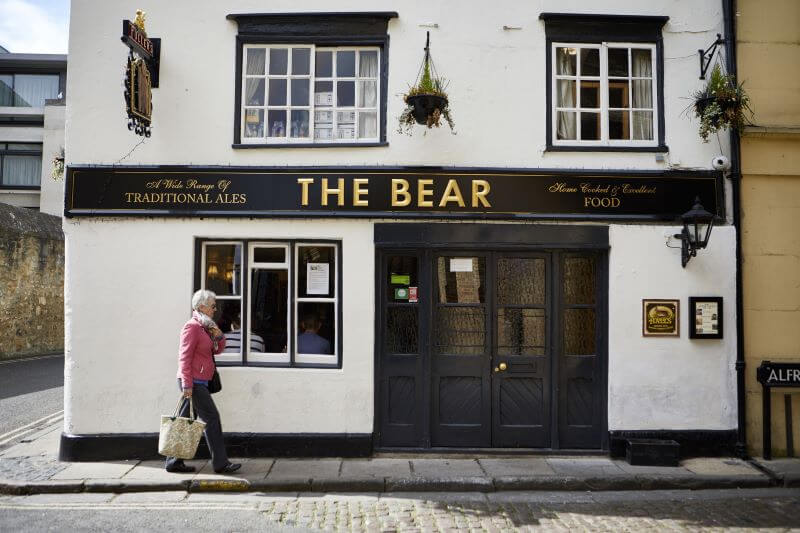
The Bear Inn (Oxford’s Oldest Pub – Est. 1242)
If you want genuine history, visit The Bear Inn, which has been serving pints since the 13th century. It has retained much of its original character, making it a must-visit for lovers of historic pubs.
Why Visit?
- Oxford’s oldest pub, dating back to 1242.
- Famous for its collection of over 4,000 ties, donated by patrons from around the world.
- Cosy, traditional British pub atmosphere, with low wooden beams and a hidden beer garden.
Address: 6 Alfred St, Oxford OX1 4EH
Tip: Ask the bartender about the story behind the tie collection!
Nearby: Carfax Tower, Merton College, Christ Church.
The Freud Café (A Café Inside a Former Church)
This ultra-trendy café & cocktail bar is housed in a stunning converted Greek Revival church, creating one of the most dramatic and unusual café settings in Oxford.
Why Visit?
- One of Oxford’s most unique café spaces.
- Famous for cocktails, coffee, and Mediterranean-inspired food.
- Gothic interiors make it a perfect setting for late-night drinks.
Address: Walton Street, Jericho, Oxford OX2
Tip: Best visited in the evening for its vibrant atmosphere!
Nearby: Port Meadow, The Phoenix Picturehouse (Independent Cinema), Jericho Bars.
Other Quirky Spots – Hidden Passages & Alleyways
Oxford is full of secret alleys, tucked-away courtyards, and hidden lanes, many of which have fascinating historical or literary connections. These hidden gems offer quiet escapes from the city’s busy streets, as well as glimpses into medieval Oxford.
Logic Lane (A Passageway with an Academic Twist)
A narrow and atmospheric medieval alleyway running between Merton College and the High Street, Logic Lane gets its name from a 15th-century school of logic once housed at Merton College.
Why Visit?
- The name comes from Oxford’s long history of philosophy and logic.
- Quaint and quiet, perfect for an off-the-beaten-path walk.
- Offers a great shortcut between the High Street and Merton Street.
Address: High Street and Merton Street, Oxford
Tip: A perfect hidden stop after exploring Merton College or Magpie Lane!
Nearby: Merton College, The High Street, The Bear Inn.
Bath Place (Quaint Thatched Cottages Near the Turf Tavern)
A hidden cobbled alleyway leading to a cluster of tiny thatched-roof cottages, Bath Place is one of Oxford’s most picturesque backstreets.
Why Visit?
- A rare example of thatched buildings in central Oxford.
- A peaceful, fairy-tale-like setting away from the city crowds.
- Located next to The Turf Tavern, making it a perfect historic detour.
Address: Near the Turf Tavern, Oxford
Tip: Best enjoyed in the early morning or late evening for the quietest experience!
Nearby: The Turf Tavern, The Bridge of Sighs, New College.
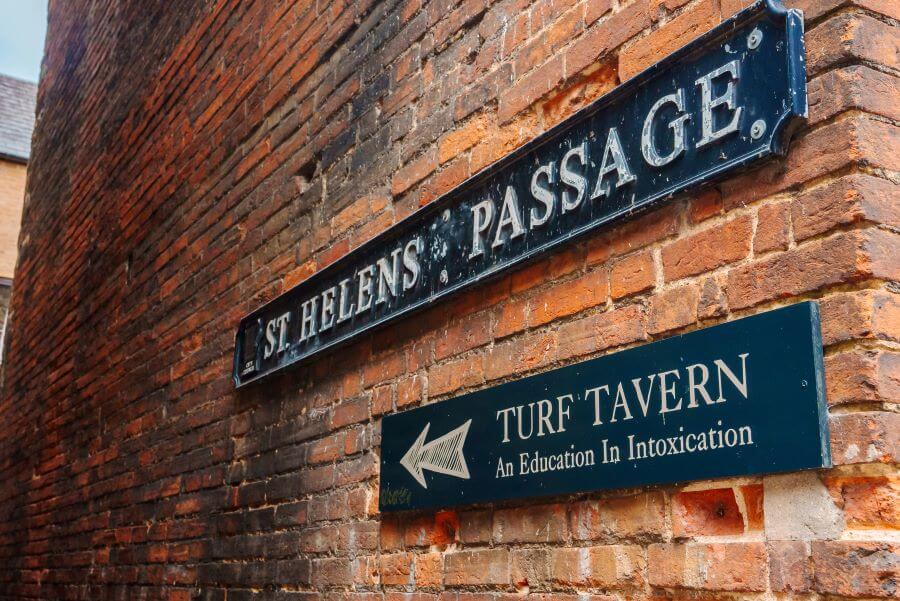
St. Helen’s Passage (A Passage to the Turf Tavern)
One of Oxford’s most famous hidden alleys, St. Helen’s Passage is a narrow and twisting passageway leading to the Turf Tavern, one of Oxford’s most legendary pubs.
Why Visit?
- A classic Oxford experience, following winding medieval alleys to a hidden pub.
- The walls bear centuries of student graffiti, some dating back over 100 years.
- The alley has an eerie, almost haunted feel in the evenings.
Address: St. Helen’s Passage, Oxford OX1
Tip: At night, the passage feels straight out of a Victorian ghost story!
Nearby: The Turf Tavern, The Bodleian Library, Radcliffe Camera.
St. Edmund Hall’s Hidden Garden (Oxford’s Secret Courtyard)
Tucked away inside St. Edmund Hall, this hidden garden courtyard is one of the oldest surviving medieval spaces in Oxford.
Why Visit?
- Features a hidden garden with centuries-old ivy-covered walls.
- Rarely visited by tourists, making it a perfect quiet retreat.
- Home to a medieval well and one of Oxford’s oldest dining halls.
Address: St. Edmund Hall, Queen’s Lane, Oxford OX1 4AR
Tip: Look for the historic stone well inside the courtyard!
Nearby: Queen’s Lane Coffee House, The High Street, The Turf Tavern.














