

















As part of the Air Quality Action Plan (AQAP) for a Zero Carbon Oxford, the initial 23 Smoke Control Areas will be expanded on the 1st December, after approval in May from the Secretary of State for Environment, Food and Rural Affairs (DEFRA).
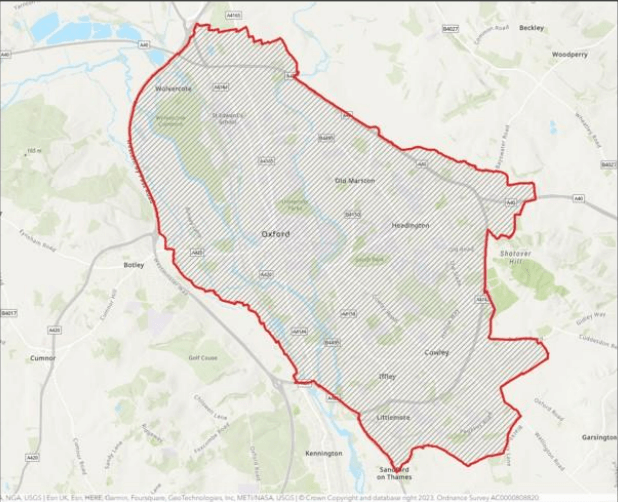
The Oxford City Council is taking significant steps to improve air quality through the expansion of its smoke control areas (SCAs). Set to cover the entire city by end of 2024, this initiative aims to reduce harmful particulate emissions, particularly from domestic wood stoves.
The additional regions such as North Oxford (from Summertown to Wolvercote), Rose Hill, Littlemore, New Headington, Old Marston, and parts of Temple Cowley.
This is specifically significant with the recent news that pensioners in Oxfordshire will lose their winter fuel payments for heating, making those energy bills more difficult to manage. This means more will turn to new ways like wood burners to heat their homes.
Understanding Smoke Control Areas (SCAs)
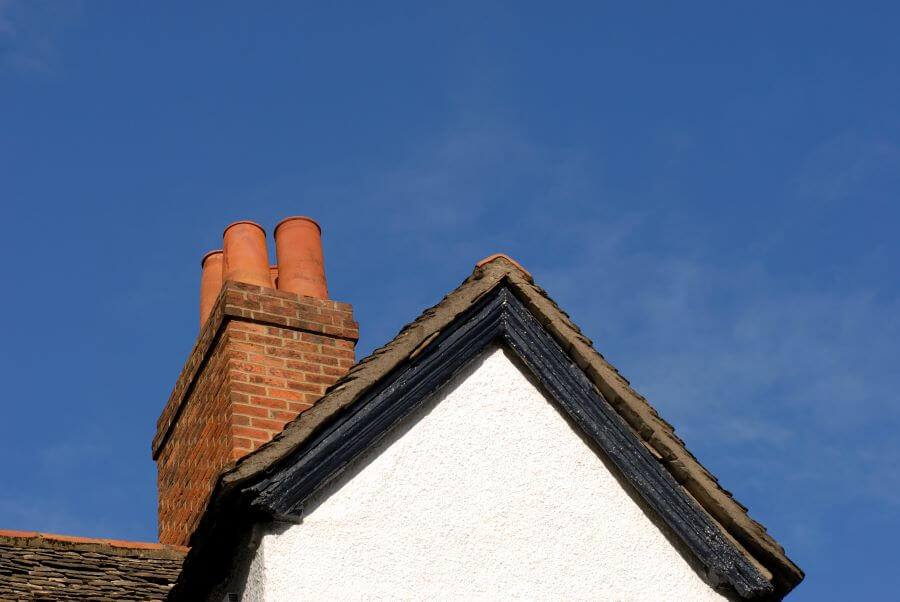
Definition and Purpose: Smoke control areas are regions where it is illegal to emit smoke from a chimney unless using an authorised fuel or an exempt appliance. The purpose is to control and reduce air pollution, improving public health and environmental quality.
Current Situation in Oxford: Currently, Oxford has 23 SCAs. The city council’s plan to extend these controls citywide reflects a broader commitment to tackling air pollution and ensuring cleaner air for all residents.
To reiterate, this only applies to homes with a chimney. You are still allowed to light a controlled garden bonfire, as long as you follow the rules on bonfires. Under the Clean Air Act 1993, the fire should not emit dark smoke due to burning waste. This includes the burning of such material in your garden, under section 34 of the Environmental Protection Act 1990 (EPA).
The same applies and you can freely use outdoor barbecues, chimineas, fireplaces or pizza ovens in smoke control areas. And you can use your fireplace too, but the same rules apply on using approved clean smokeless fuels.
Most coal sold now is anthracite, semi anthracite and low volatile steam coal, which is allowed in Smoke Controlled Areas. Wood pellets, assuming kept dry, are also approved.
In short, unless you are deliberating on the new pope, your domestic smoke should be white. This is only about clean burning to reduce soot and ash.
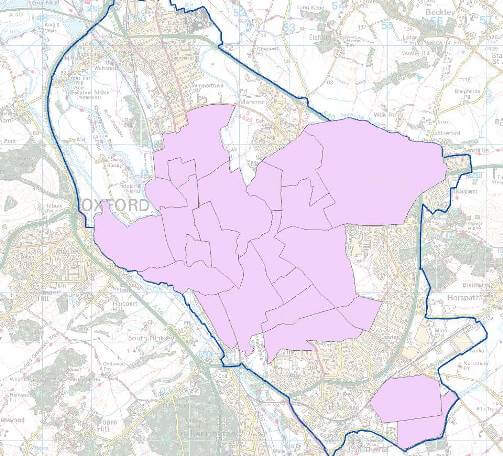
Expansion of Oxford Smoke Control Zones in 2024
What’s Changing: The expansion will mean that all residents within Oxford will be subject to SCA regulations. This includes restrictions on the types of appliances and fuels that can be used, focusing on reducing PM2.5 and other harmful emissions.
Government and Council Objectives: The Oxford City Council aims to lower pollution levels, particularly fine particulate matter (PM2.5), which can cause serious health issues. The expansion supports broader environmental and health initiatives, ensuring compliance with national air quality standards, and was after consultation with the residents and DEFRA.
Impact on Residents and Wood Stove Users
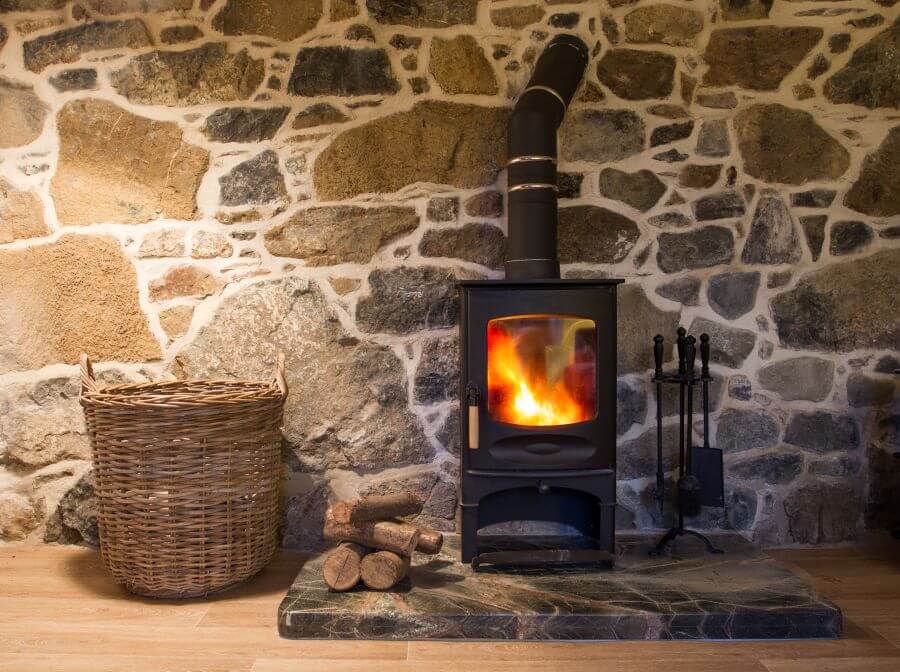
Regulations for Wood Stove Use: In the expanded SCAs, only DEFRA-exempt appliances or those compliant with clearSkies Level 3 and above standards can be used. These stoves must burn authorised fuels, such as those certified with the Ready to Burn logo.
Exemptions and Compliance: Residents using compliant stoves will not face fines, provided they use approved fuels. Non-compliance can lead to penalties, making it essential for residents to understand and adhere to the new rules.
Penalties for Non-Compliance: The penalties for using unauthorised appliances or fuels can be substantial, underscoring the importance of compliance. This is part of the broader effort to reduce the city’s overall emissions.
If the Council witnesses smoke from the chimney of a domestic or commercial building, it can issue fines of £300. Those found to be selling or buying unauthorised fuel for use without an approved appliance in a Smoke Control Area can also face fines of up to £1,000.
The Real Data Behind Wood Stove Emissions
Analysis of NAEI Data: The National Atmospheric Emissions Inventory (NAEI) data reveals that in 2022, despite increased stove sales, total PM2.5 emissions from domestic combustion decreased by 4%, with emissions from domestic wood combustion specifically dropping by 2.7%.
Comparative Emission Data: The data shows significant differences in emissions based on stove type. Open fires were responsible for 13.3% of the UK’s total PM2.5 emissions, while modern Eco-design stoves accounted for only 1.8%.
Benefits of Using Modern Stoves and Quality Fuels
Advantages of Eco-design Stoves: These stoves are designed to burn more efficiently, producing fewer emissions. They represent a substantial improvement over older, non-compliant models.
Importance of Fuel Quality: The choice of fuel significantly affects emissions. Dry wood, with less than 20% moisture content, burns cleaner, reducing PM2.5 emissions. The Ready to Burn certification ensures fuel meets these standards. This also reduces the build up of creosote, the highly flammable, tar-like deposit in chimneys or stovepipe that consists of soot, chemicals, and a range of particles originating from the incomplete combustion when burning wet wood.
Practical Tips for Residents
To help reduce emissions and improve air quality, here are our top tips as recommended by the Stove Industry Association (SIA):
Choose a Modern Stove: Opt for an Ecodesign compliant sustainable solid fuel stove such as a clearSkies certified appliance. If you live in a Smoke Control Area, your stove should be Defra exempt. All level 3 and above clearSkies appliances are certified as Defra exempt.
Get Expert Advice: Visit your local SIA Retail Group member for independent. No obligation advice on the best stove for your home.
Proper Installation: Make sure your stove is installed by a qualified professional, like those registered with HETAS or OFTEC
Use Quality Fuel: Look for the Ready to Burn logo to ensure your wood logs have less than 20% moisture content. Never use chemically treated wood or burn waste on your stove. Use natural firelighters to light the fire rather than chemical-based equivalents.
Regular Maintenance: Service your stove and sweep your chimney at least once a year. The Stove Industry Allience recommends NVQ qualified chimney sweeps for the ongoing maintenance and servicing of your stove and chimney. The Federation of British Chimney Sweeps has links to all the main sweep associations and can offer valuable advice.
The Bigger Picture: Air Quality and Public Health
Health Impacts of Poor Air Quality: Poor air quality, particularly high levels of PM2.5 particles, can lead to respiratory and cardiovascular issues. The expansion of SCAs is a critical step towards improving public health.
Community and Environmental Benefits: Reducing emissions not only benefits individual health but also contributes to broader environmental goals, such as reducing the carbon footprint and mitigating climate change.
How else can you help improve air quality?
We know the quality of the air we breath directly into our lungs makes a difference to our health. The WHO state that 6.7 million premature deaths are down to air pollution as high pollutants levels like excess carbon monoxide volumes reduce the oxygen we need. So it’s clear we can go beyond particle pollution.
We need to put more good stuff into the air than bad. If you have an outdoor space, plant some trees and choose real grass over artificial. Through photosynthesis, all plants remove carbon dioxide from the air, offsetting the co2 we exhale. Simple things like moving to renewable energy, recycling paper and glass, or using alternative forms of transportation like walking, cycling or electric buses.
Conclusion
As the smoke control area expands, residents are urged to familiarise themselves with the new regulations, upgrade to compliant stoves if necessary, and adopt best practices for stove use. This proactive approach will not only ensure compliance but also contribute to a healthier and cleaner Oxford.














