With extreme weather becoming increasingly common in the UK, the protection of vital bee habitats is more urgent than ever, according to Blenheim Palace’s resident bee expert.
The latest State of the UK Climate report, published by the Met Office this week, confirms that the country is experiencing a “notably different” climate compared to past decades, with average temperatures steadily climbing since the 1980s. The past three years have all ranked among the five warmest on record, with 2024 marking the fourth warmest year since records began in 1884.
At Blenheim Palace, ancient woodlands support more than 76 colonies of wild bees, which rely on the estate’s unique environment to survive increasingly variable and extreme weather. Without these natural refuges, bees could face heat stress, which affects fertility, foraging efficiency and overall colony health.
Filipe Salbany, Blenheim Palace’s resident bee expert, stresses the critical role of protecting both living veteran trees and standing deadwood:
“By combining the protection of living and dead legacy trees with forward-looking planting strategies, we can preserve the nesting resources and thermal refugia that bees require in an increasingly warm climate,” he said.
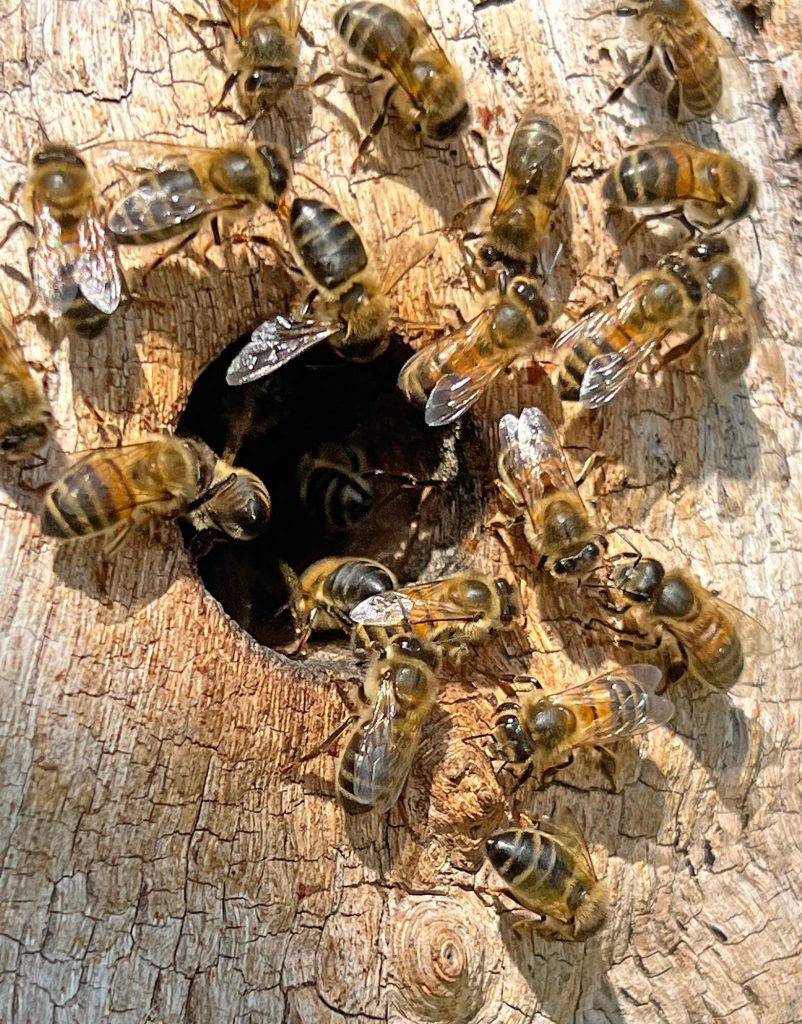
He explains that bees nesting in tree hollows 16–24 metres above ground benefit from stable, cooler microclimates maintained within ancient trees. These natural cavities offer protection vital to brood development and long-term bee survival.
“These ‘living giants’ provide a buffer against extreme temperatures. Equally important are dead standing trees, or ‘monoliths’, which offer dry heartwood cavities that serve as persistent nesting sites for a variety of cavity-nesting species.”
Filipe’s strategies for protecting bee habitats in a warming climate:
- Protect veteran and ancient trees, which provide stable microclimates and nesting cavities
- Retain standing dead trees (‘monoliths’), where ecologically safe, to preserve vital nesting refuges
- Plant native saplings with robust taproot systems for future resilience and potential veteran tree status
- Ensure habitat connectivity and minimise pesticide use to promote population health
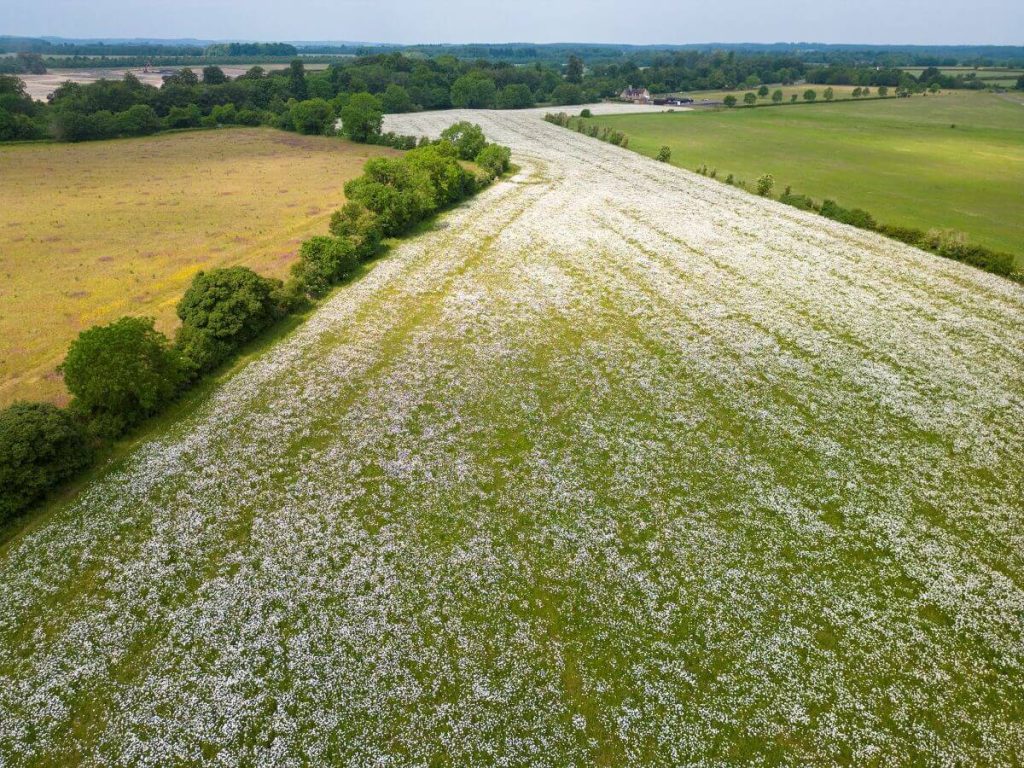
In 2023, Blenheim Palace partnered with Rowse Honey to launch a large-scale pollinator conservation programme. This initiative has already delivered impactful results:
- 50 acres of former arable land have been converted into biodiverse habitats
- 300 acres of woodland have been undersown with wildflower grasslands
- 229 species of Hymenoptera (membrane-winged insects), including rare solitary bees like Crossocerus walkeri, have been recorded
- 23 butterfly species and 11 nationally declining bird species have returned to newly restored areas
As climate pressures intensify, Blenheim’s integrated approach to habitat preservation serves as a model for balancing conservation, heritage, and ecological responsibility.