

















Public safety is an issue of both local and national importance, and one which has seen increasing levels of concern on multiple fronts. Urban centres feel less safe to many members of the population, whether due to increased risk of knife crime in areas of London or the systemic failures to help women feel safe in public spaces.
Incidentally, Thames Valley Police force have proudly reported that knife crime for the year April 1, 2023 to March 31, 2024 has reduced by 10.8 per cent from 1,239 incidents last year to 1,105 this year. This has been a focus for TVP, but violence and sexual offences still are the top reported crime across Oxford and Oxfordshire.
The Office for National Statistics estimated the 2022 population of Oxfordshire as 740,300, with over 26 million visitors in the same year. Safety and security for residents and tourists is paramount. Public safety is a vital consideration for national and local governments for exactly this reason.
So what are some of the contributing factors to safety concerns across the country, and how can they be adequately addressed now and in the future?

Contributing Factors to Safety Concerns
Public safety is a necessarily wide-ranging subject, and one which touches on nearly every aspect of public life – from the condition of public infrastructure to the impacts of cultural events.
For instance, crumbling city infrastructure caused by tight council budgets, coupled with an increase in post-pandemic nightlife activity, could see more people taking out personal injury claims against a city council. Meanwhile, local social care failures can lead to reduced community cohesion, disenfranchised regions and increased risk of violence.

Community and Law Enforcement Efforts
Engaging with public safety concerns should always start with boots on the ground. Police boots are not an ideal approach, despite the instincts of many to flood the streets with uniformed officers.
Indeed, the presence of police can be an aggravating factor in many potentially dangerous situations – as evidenced by recent scenes in East Leeds, where a small group of aggrieved residents became a hundreds-strong crowd of rioters thanks in part to the presence of kitted riot police.
The first major step to improving public safety more generally (at least, with respect to crime rates and street safety) would be to invest more in social care. Social care workers can meet with more troubled individuals, prevent recidivism in the case of ex-convicts, and promote healthy community cohesion in underprivileged areas.
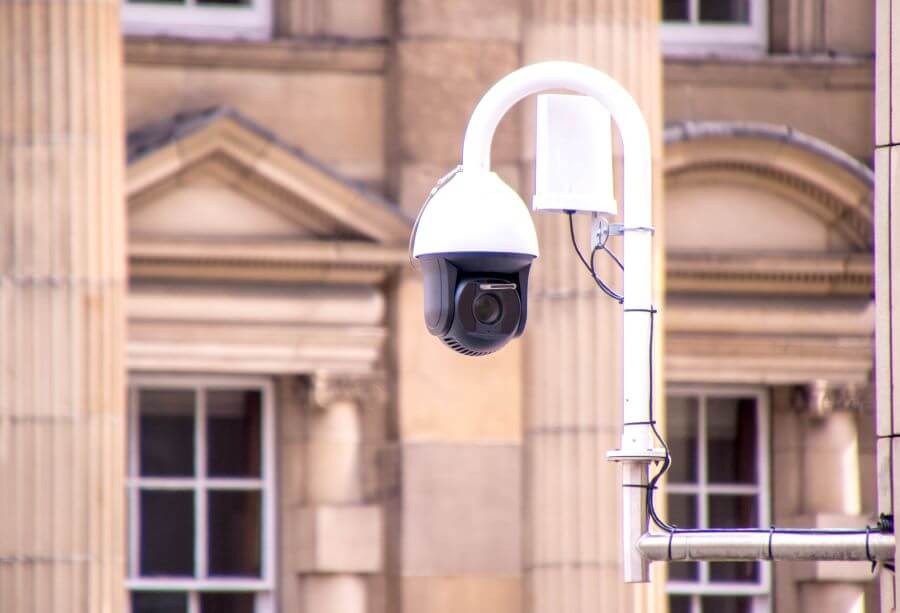
The Role of Technology in Enhancing Safety
Naturally, there are questions as to the role of technology in enhancing public safety – questions which, to some extent, have already been answered by prior trials and experiments.
One such experiment saw remote sound systems play ambient music into city streets in the early hours of the morning, to see if calming music would reduce outbreaks of crime and violence as bars and clubs closed. The experiment was a successful one, and indicates how psychosocial engineering can naturally reduce risk for urban residents.
Challenges and Limitations in Improving Safety
The above example is also an ideal example of the issues facing local councils and regional governments in addressing public safety concerns. Despite the success of the trial, there was no opportunity for a national roll-out on account of budgetary restrictions and bureaucratic red tape.
Though Kier Starmer’s Labour government may be more likely to approve spending on social care and urban infrastructure than the prior administration, these are still hills that must be climbed to make the cities safer.














