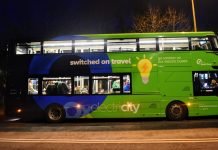
From January 2025, the single bus fare cap in England will rise from £2 to £3, as announced in the upcoming Autumn Budget. This increase will directly affect Oxfordshire residents, especially in rural areas where buses are a lifeline for essential travel.
Introduced to alleviate cost-of-living pressures, the current £2 cap rolled out in early 2023 has been vital in keeping transport affordable and increased usage. Local bus operators such as Oxford Bus Company and Thames Travel embraced the scheme, which contributed to a significant increase in bus ridership across the county, providing an affordable means of travel for many residents.
But concerns have been raised about how this increase might affect lower-income families and commuters who depend on public transport. And the added congestion on the roads which goes against Oxford’s aims of being a zero emission city.
In Brighton for example, an adult can currently pay £2 for a journey and take up to 4 kids for free, which was £4.70 before the cap. This means less reliance on using cars during the school run.
Context and Benefits of the £3 Fare Cap
The new £3 fare cap extends government efforts to avoid a steep return to pre-2023 fare prices, which were significantly higher, often reaching £5 to £7 for single journeys in rural areas. For many Oxfordshire commuters, particularly those living in remote areas, the bus remains a crucial connection to work, education, and healthcare.
By maintaining a cap, albeit at a higher rate, the government aims to continue providing affordable public transport while balancing the rising costs of operating bus services.
Concerns from Local Green Party Members
Local Green Party councillors, however, have voiced concerns about the 50% fare rise, which could hit low-income families and rural communities hardest. With public transport being a key part of Oxfordshire’s green agenda, critics argue that higher fares could discourage bus usage, pushing residents towards private cars and exacerbating traffic and pollution problems.
Green Councillor and Leader of the County Council Green Group Ian Middleton said :
“The £2 bus fare cap was a surprisingly equitable policy from the Tory government. Not only does it promote more sustainable travel, particularly in rural areas, it also supports those who rely on buses at a time of increased cost of living. I’m pleased to see Labour maintain the principle of a cap, but a 50% increase would see a return journey costing an extra £2 a day. For those commuting to work adds up to £10 or more per week. This piles yet more pressure on to those on lower incomes and undermines a fundamental part of our plan to tackle climate change by getting people out of private cars and on to public transport.”
Oxford City Councillor Emily Kerr emphasised that such an increase contradicts the goal of reducing car reliance and tackling climate change. While both Green West Oxfordshire District Councillor Andrew Prosser and Green Thame Town Councillor Helena Richards have similarly noted that bus usage has risen since the £2 fare cap was introduced.
The fare hike may not only burden residents financially but could also undo progress made towards encouraging more sustainable travel. Rural areas, where public transport options are already limited, are likely to feel the strain most acutely.
Environmental and Economic Impact
Public transport plays a crucial role in reducing carbon emissions and road congestion, particularly in a rural county like Oxfordshire. With the potential of the fare increase pushing people back towards car use, local leaders are concerned that this could reverse gains made in recent years towards sustainable transport. However, the £3 cap, when compared to pre-2023 fares, still represents a more cost-effective and eco-friendly option than what many commuters would otherwise face.
Practical Tips for Oxfordshire Commuters
For residents looking to mitigate the impact of the fare rise, there are several steps that could help:
- Consider Travel Passes: Many bus operators offer season tickets or travel cards that could reduce daily commuting costs.
- Plan Ahead: If you can, consider alternative routes or modes of transport, such as cycling, for shorter journeys.
- Carpooling: For those with limited bus options, car-sharing with neighbours or colleagues could provide a cost-effective alternative.