Italy’s winemaking tradition spans millennia, with roots in viticulture since ancient times. Today, Italy remains one of the global leaders in wine production renowned for the diversity of wine styles and exceptional quality it offers. With over 400 grape varieties cultivated across 20 regions, Italy’s finest wines are a enthusiasts dream.
In this guide, we will explore some of the best Italian wines, their appellation origins, unique flavours, and why they should be added to your collection.

Key Italian Wine Regions and Varieties
Italy’s winemaking history is legendary, with each region offering a distinct approach to viticulture. The country’s diverse climates, varied terrains, and a wide range of grape varieties contribute to a vast selection of wines, from world-class reds to delicate whites and sparkling wines.
While some wines have achieved international fame for their quality and taste, the best wine is always the one that satisfies your own preferences and palate. You do really need to sample for find your personal favourite, which is no bad thing. Ideally direct at the cellar door at the vineyard, but ordered online if not.
Below is an overview of some of the most iconic Italian wines and the regions that produce them:
Barolo: The King of Wines
Produced exclusively in the Barolo region of Piedmont, Barolo is often referred to as the “King of Wines.” Made from the Nebbiolo grape, Barolo is known for its deep, complex flavours and bold tannins. It offers an array of aromas, including cherry, rose, and earthy undertones, and has exceptional aging potential.
A bottle of Barolo is an investment for wine connoisseurs, perfect for cellaring and pairing with rich, hearty dishes.
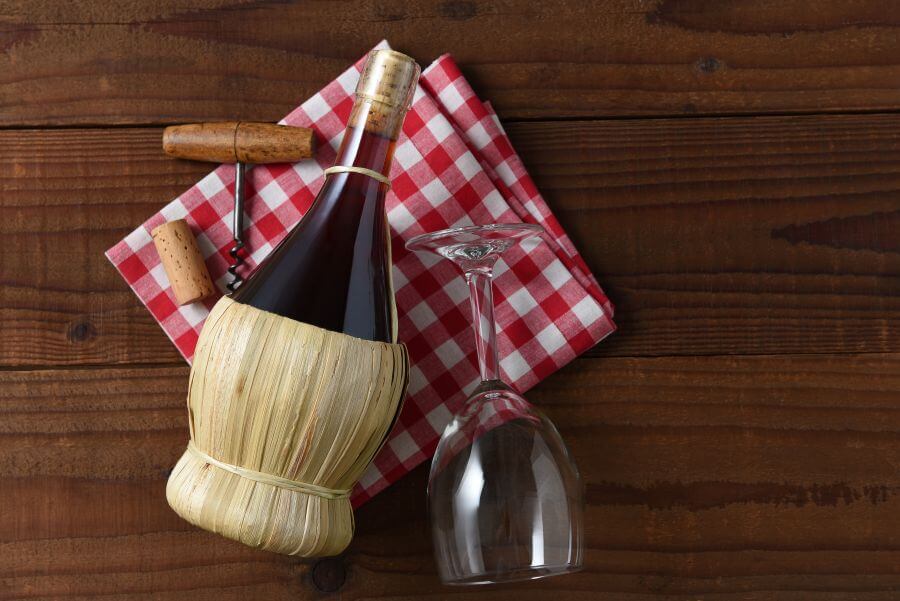
Chianti: A Classic Tuscan Staple
One of Italy’s most beloved wines and recognised aroma, Chianti is produced primarily from the Sangiovese grape in Tuscany. The wine is recognised for its iconic squat bottle, often wrapped in straw (known as a “fiasco”). Chianti offers a perfect balance of fruitiness and acidity, making it versatile for various occasions.
Sommelier serving suggestion: The wine’s high acidity, tannins, medium body and flavours of red berries and herbs make it an excellent companion for pasta dishes, pizza, and grilled meats.
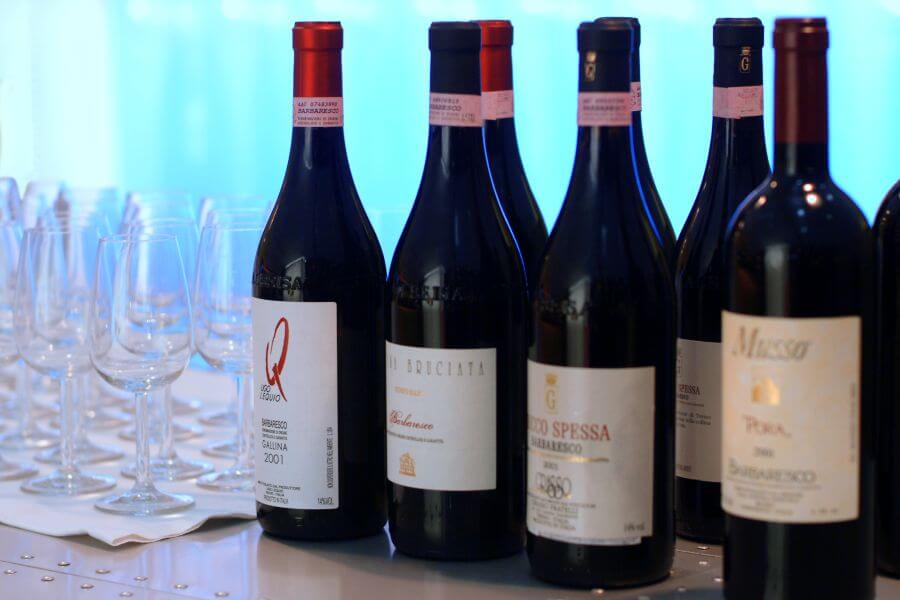
Barbaresco: The Softer Companion to Barolo
Also made from Nebbiolo grapes in the Piedmont region, Barbaresco is often considered a more approachable alternative to Barolo. While it shares many characteristics with Barolo, Barbaresco is typically softer, with fewer tannins and a fruitier profile. Barbaresco pairs wonderfully with a wide range of dishes, from mushroom risotto to roasted meats, and is a delightful wine for those seeking elegance with a smoother finish.
Prosecco: Italy’s Sparkling Gem
Prosecco, produced in the Veneto region, is one of Italy’s most famous sparkling wines. Made from the Glera grape using the Charmat method, Prosecco is celebrated for its fresh, lively character and persistent bubbles. Its bright green apple, pear, and citrus notes make it the perfect wine for celebrations, as well as a refreshing accompaniment to light appetizers or seafood.
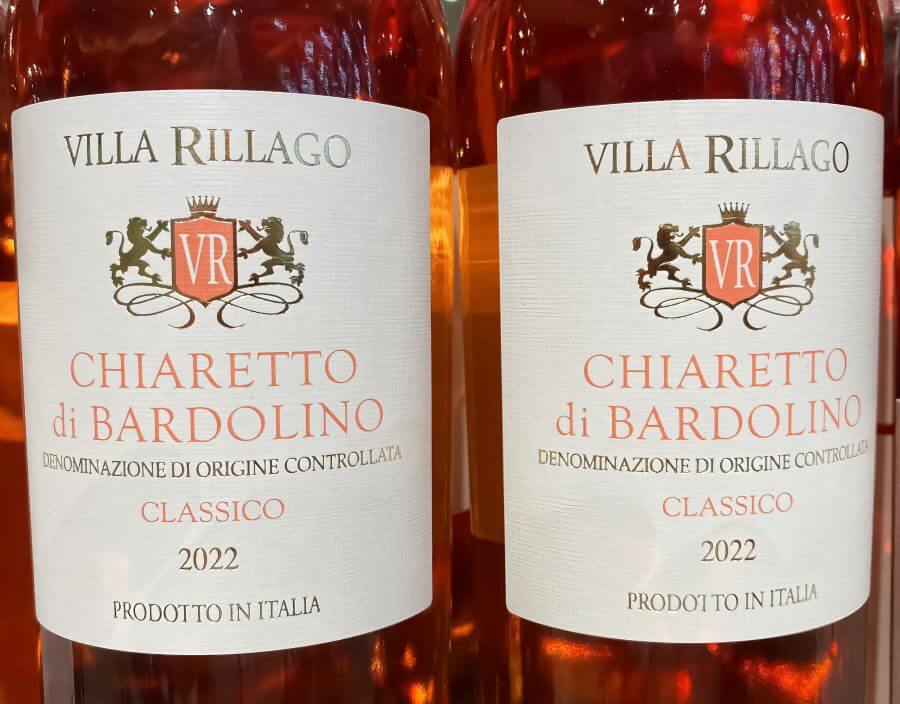
Bardolino Chiaretto: The Ideal Rosé
For those who enjoy lighter wines, Bardolino Chiaretto from Veneto is an excellent choice. Made from a blend of Rondinella and Corvina grapes, this rosé offers delicate red berry flavours, crisp acidity, and a refreshing finish. It’s perfect for warmer days and pairs wonderfully with salads, grilled vegetables, or fresh seafood.
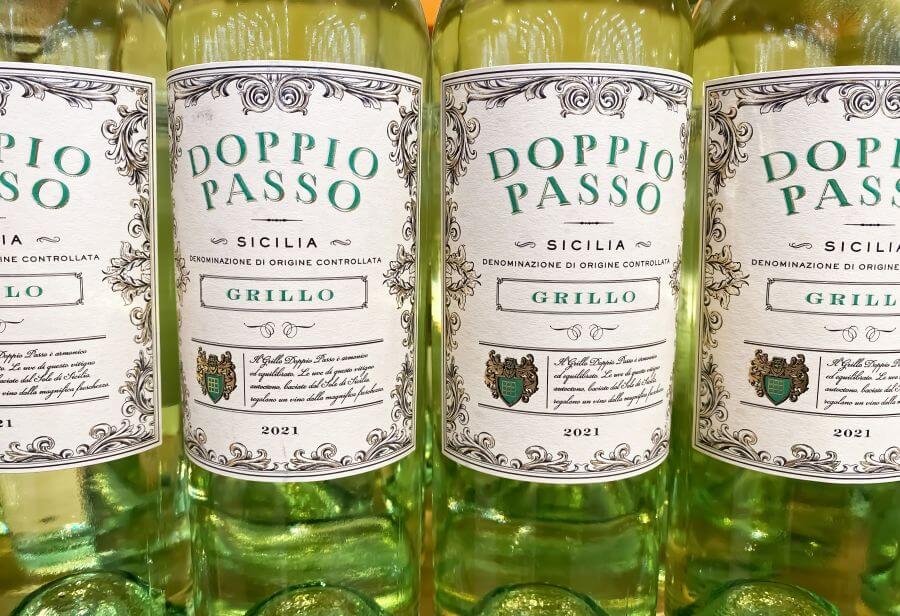
White Wines: Coastal Treasures
Italy’s coastal regions, such as Sicily, Sardinia, Campania, and Liguria, produce some of the finest white wines in the world. Varieties such as Vermentino, Falanghina, and Grillo each have their distinct characteristics, ranging from zesty and crisp to rich and aromatic. These whites are ideal for pairing with seafood, light pasta dishes, and antipasti, making them versatile choices for various occasions.
Why Choose Italian Wines?
Italian wines are celebrated not only for their exceptional quality but also for their diversity of flavours and styles. Italy’s varied climates, from the cool Alpine regions in the north to the warm Mediterranean climates in the south, result in distinct flavour profiles for each wine based on vineyard.
Fermentation plays a crucial role in developing the unique flavours and aromas that distinguish Italian wines, allowing each region’s terroir to shine through in the final product. The abundance of indigenous grape varieties ensures that there is a wine for every palate, whether you prefer a robust red, a crisp white, or a sparkling treat.
Italian wines also offer excellent value for money. Given their consistent quality and traditional production methods, Italian wines often represent one of the best cost-to-quality ratios available, making them ideal for both casual wine drinkers and connoisseurs alike.
The Benefits of Drinking Italian Wines
Longevity
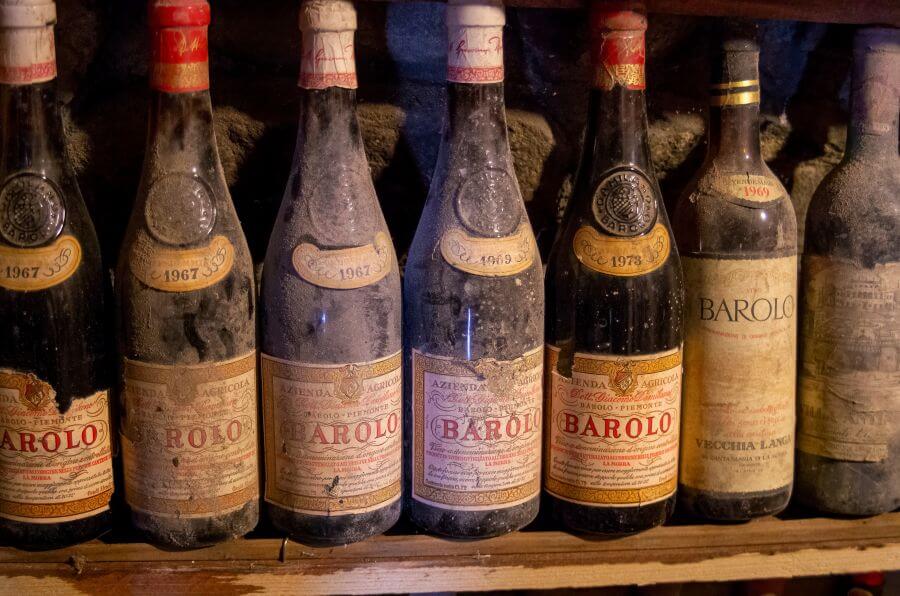
Many Italian wines, especially reds like Barolo, are known for their aging potential. With proper storage, Italian wines can evolve over time, gaining more complexity and depth. This makes them ideal for cellaring or for enjoying years down the line as a vintage.
Versatility
With a diverse range of wines available, Italian wines are suitable for almost any occasion. Whether you’re celebrating with a bottle of Prosecco, enjoying a relaxed evening with a glass of Chianti, or pairing Barolo with a gourmet meal, there’s an Italian wine for every moment.
Cultural Significance
Italian wines are not just beverages; they are deeply rooted in the country’s culture and history. Drinking an Italian wine allows you to connect with centuries of winemaking tradition, making each bottle a more meaningful experience.
Sustainability
Many Italian wine producers are now focusing on sustainable practices, including organic farming. By choosing wines from these producers, you can support environmentally-conscious agriculture while helping to preserve Italy’s winemaking heritage for future generations.

How to Choose the Right Italian Wine
Choosing the right Italian wine can feel overwhelming given the vast selection available. Here are a few tips to help guide your decision:
Consider the Concentration
Italian wines range from lighter whites and rosés to full-bodied reds. If you prefer a more intense flavour, opt for wines made from bold grape varieties like Nebbiolo or Sangiovese. For a lighter, fresher wine, go for varieties like Vermentino or Prosecco.
Blending Notes
Many Italian wines are blends of different grape varieties, creating more complex flavour profiles. Chianti, for instance, blends Sangiovese with small amounts of other local grapes, while Barolo is made exclusively from Nebbiolo. Experimenting with different blends can help you find the wine that best suits your taste.
Test and Compare
The best way to choose an Italian wine is to taste it! Visit a wine shop that offers tastings or attend a wine event where you can sample a variety of wines. This will help you understand the unique characteristics of each wine and guide you toward the perfect choice.
Food Pairing
Italian wines are designed to complement the country’s diverse cuisine. Whether you’re pairing your wine with pizza, pasta, or seafood, choose a wine that enhances the dish. Red wines like Chianti pair well with tomato-based dishes, while white wines like Vermentino are ideal with seafood. Believe it or not, Italian wines can also pair well with British Cuisine too.
Conclusion: Exploring the Rich World of Italian Wines
Our Italian wine guide should help you find the best the country offers. Whether red, white, or rosé, each region has something different to offer. Regardless of the Italian region, there’s a perfect wine to enjoy with your favourite meal. This is what makes Italian wines among the best in the world.
Final Tip: When selecting Italian wines, consider your personal taste preferences, the occasion, and food pairings. Experiment with different regions and grape varieties to explore the full spectrum of Italy’s winemaking heritage.