Some more relevant St Patrick’s Day news, Blenheim Estate has stepped up to support the Irish national sport of hurling by supplying hundreds of ash trees to be crafted into hurleys; the hurling sticks used by players.
The initiative comes at a crucial time, as Ireland’s supply of homegrown ash has been significantly impacted by ash dieback, a devastating disease affecting ash trees across the UK and Ireland.
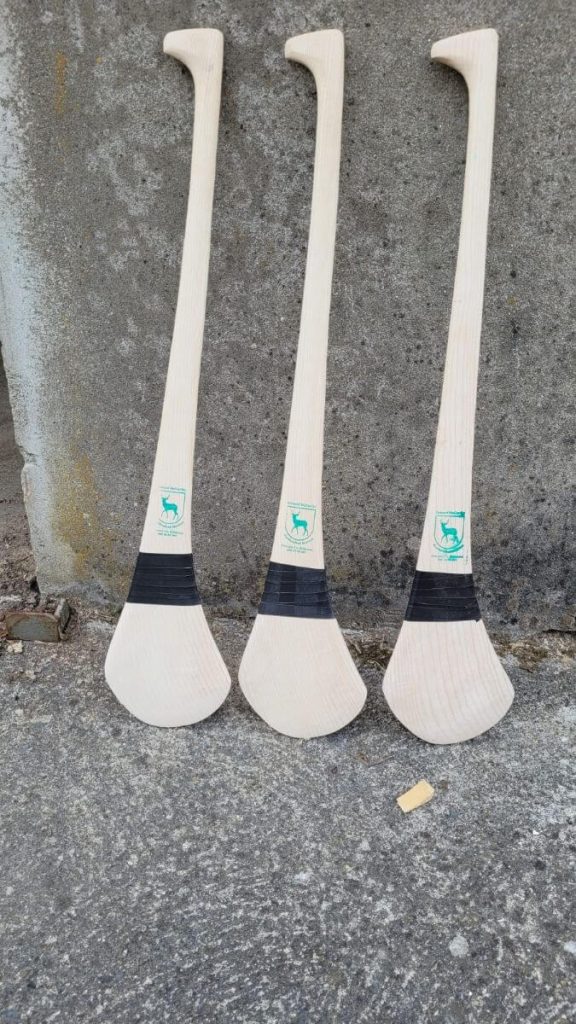
Preserving a Sporting Tradition Amidst an Ecological Crisis
As part of its sustainable woodland management programme, Blenheim Estate has begun thinning and clearing ash tree compartments suffering from advanced stages of ash dieback (Hymenoscyphus fraxineus). While much of this timber will be used for firewood, a proportion is being supplied to specialist hurley makers to help meet demand in Ireland, where the disease has decimated native ash stocks.
Richard McCarthy, an Irish hurley maker who supplies leading manufacturers such as Star Hurley in Kilkenny, has partnered with Blenheim’s Rural Property Manager, James Hunter, to source suitable ash from the estate. This collaboration will see around 1,000 ash tree butts harvested, providing enough material to produce between 5,000 and 10,000 hurleys.
Hurling, Ireland’s second most popular sport after Gaelic football, has approximately 275,000 players nationwide. With around 100,000 hurleys purchased each year, the demand for high-quality ash is immense.
Speaking about the partnership, McCarthy said:
“I heard about the ash at Blenheim when James contacted me last year; we previously worked together on another estate where we cut wood for hurleys.
“Ash is used because it is very strong, flexible and lightweight – everything we need for hurleys. When I’m looking for suitable ash I like to use the ash that’s between 30-50 years old, has nice smooth bark and is fast growing. The bottom of the tree is very important and we need good root formation – this is key as this is where we get the curve for the shape of the hurley.
“From what I’ve seen at Blenheim from my visit, I think the ash looks very good, so hopefully we can get good quality hurleys from it.”
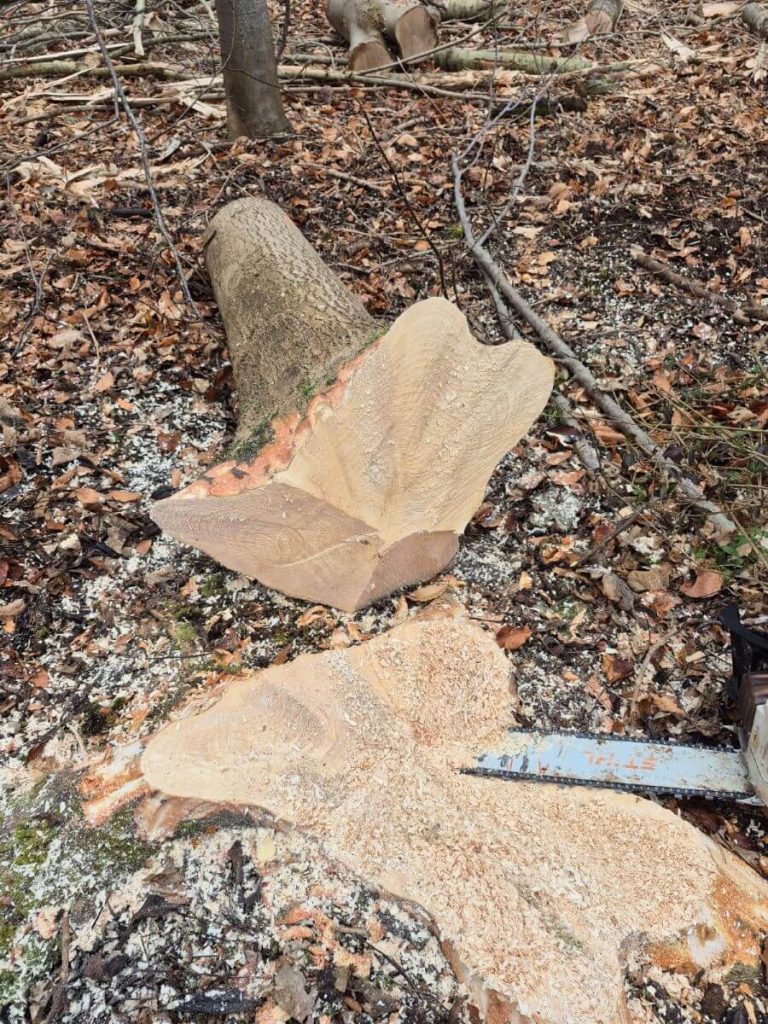
Blenheim’s Commitment to Sustainable Forestry
Blenheim Estate is not only helping to support a sporting tradition but is also playing a key role in long-term woodland conservation. James Hunter explained:
“As part of our active woodland management this year, we have commenced a series of works to thin and clear fell several compartments suffering from the advanced stages of ash dieback. Whilst the majority of the timber will go for firewood, it’s great to see some value being realised and a niche market being supported such as Richie’s business with hurling sticks.
“However, I think it should be made clear that we are not clearing all ash from the Estate, as we look to see if we have resistant specimens which may in the future be bred for ‘dieback’ resistant ash trees, to ensure they do not disappear from the British landscape forever. We are working with several partners to provide support where we can for this important research and who knows, those trees may also one day be harvested to make hurleys.”
The estate is actively working with conservation groups and researchers to support these efforts, recognising the importance of preserving ash for both ecological and cultural reasons.
Supporting Cricket Bat Production Through Sustainable Willow Harvesting
Blenheim’s contribution to the sporting world doesn’t end with hurling. For the past seven years, the estate has also played a role in sustaining the cricket industry by supplying Salix alba caerulea, better known as Cricket Bat Willow.
Banbury-based firm English Willow has been sourcing high-quality willow from Blenheim Estate to produce top-grade cricket bats for players worldwide. In 2018, the company purchased and felled a significant number of trees from the estate, yielding enough timber to craft approximately 2,300 professional-standard cricket bats. Crucially, for every tree harvested, English Willow provides replacement saplings free of charge, ensuring a sustainable cycle of growth and replenishment.
Jonny Clarke, director at English Willow, highlighted the importance of this initiative:
“We manage the full process, including free maintenance to ensure the trees offer the highest possible returns at maturity and for generations to come.
“We are in complete control to ensure this is a successful venture for the Estate, providing constant support and expert advice to its already busy forestry team.”
Rachel Furness-Smith, Head of Estates at Blenheim Palace, commented: “Working with English Willow means we can manage our willow trees in a sustainable and organic way, which is good for the environment, promotes bio-diversity and makes use of traditionally unproductive areas of the estate.”
The Environmental Benefits of Cricket Bat Willow
Cricket Bat Willow is a fast-growing, high-value timber species that thrives in low-lying, wet areas. These trees mature in just 15-20 years and provide multiple environmental benefits, including:
- Absorbing 50-100 gallons of water per day, reducing flood risks.
- Stabilising soil and preventing erosion.
- Creating valuable wildlife habitats.
Although only around 30% of harvested willow is suitable for bat production, English Willow ensures the remaining wood is repurposed. Rather than being wasted or burned on-site, excess timber is converted into biomass fuel, animal bedding, kindling, and wood chips, minimising waste and maximising sustainability.
A Long-Term Vision for Sustainable Forestry
Rachel Furness-Smith, Head of Estates at Blenheim Palace, emphasised the estate’s commitment to responsible land management:
“Working with partners like English Willow enables us to manage our woodland sustainably, promoting biodiversity and ensuring that these valuable tree species continue to thrive. By carefully balancing conservation with commercial use, we are protecting the estate’s natural resources for future generations.”
Through initiatives like the hurley-making partnership and sustainable willow harvesting for cricket bats, Blenheim Estate is demonstrating how traditional industries can work hand in hand with environmental stewardship. By preserving vital tree species and supporting sports that rely on them, the estate is securing a legacy that extends far beyond its historic grounds.