

















Cyber threats are evolving rapidly, posing serious risks to businesses of all sizes. The NCSC’s 2024 Annual Review (published December 2024) describes the cyber threat landscape as “diffuse and dangerous,” with rising incident frequency and severity. The Cyber Security Breaches Survey 2024 (GOV.UK) notes 50% of businesses faced breaches in the last 12 months, up from smaller firms to 74% of large businesses.
With cybercriminals using increasingly sophisticated tactics, companies must take proactive steps to secure their systems, data, and finances, and be on the ball more than ever before. Phishing (84% of breaches) and ransomware dominate, while AI-driven threats are emerging, according to NCSC’s 2024 report and industry forecasts like Toraguard.
From phishing scams to AI-powered cyberattacks, this guide explores the most pressing cybersecurity threats and provides actionable strategies to help UK businesses stay protected.
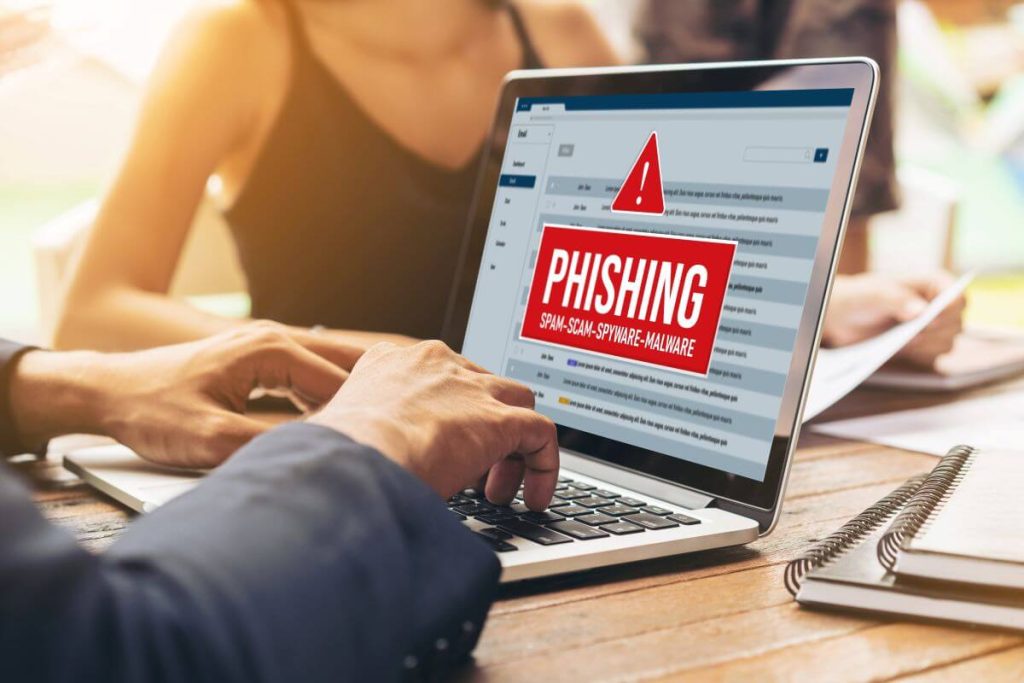
Phishing & Social Engineering Attacks: Staying Alert
How Phishing Attacks Work
Phishing remains one of the most prevalent cyber threats, where criminals impersonate trusted organisations to trick employees into revealing sensitive data, such as passwords or financial details. These scams often arrive via email, text messages, or fraudulent websites.
This is where businesses are most vulnerable as it relies on every single staff member to be alert. Your business is really only as smart as the employees.
How to Protect Your Business
- Staff Training – Run regular cybersecurity awareness programmes to train employees to recognise suspicious emails and messages. Teach them key basics like verifying sender and thinking about any attachment they open, particularly unknown file types.
- Multi-Factor Authentication (MFA) – Add an extra layer of security by requiring more than just a password to access critical systems.
- Email Filtering & Anti-Phishing Software – Use security tools that detect and block phishing emails before they reach inboxes.
- Verify Requests for Sensitive Data – Encourage employees to confirm unusual requests via a secondary communication channel before taking action.
Ransomware Attacks: A Growing Financial Threat
How Ransomware Works
Ransomware is malicious software that encrypts company data and demands a ransom payment to restore access. Many businesses struggle to recover from such attacks, and even paying the ransom does not guarantee that data will be returned.
On June 3, 2024, the Qilin ransomware gang attacked Synnovis, a pathology services provider for NHS trusts in southeast England. The breach disrupted blood testing and urgent care across six London hospitals, including Guy’s and St Thomas’. The attackers demanded a ransom, and when unpaid, leaked 400GB of sensitive patient data on the dark web.
Tip: You will often get spam emails claiming to be Ransomware, but unless it has specifics proving it to be genuine or your systems are proven compromised, it is not a threat just a scattergun attempt to make you panic.
How to Defend Against Ransomware
- Regular Data Backups – Keep secure, offline backups of critical files to restore systems without paying a ransom.
- Endpoint Security Software – Use advanced threat detection to identify ransomware before it spreads.
- Access Control Policies – Restrict system access to only those who need it, minimising the risk of attackers gaining entry. Do weekly audits.
- Patch & Update Software – Ensure operating systems, applications, and antivirus programs are always up to date.
- Use a business VPN for secure remote access and implementing strict access controls

Data Breaches: Strengthening Your Defences
Why Data Breaches Matter
A data breach is one of the most significant risks a business can face, often resulting in the loss of customer trust, legal repercussions, and financial losses. These breaches usually occur when cybercriminals exploit vulnerabilities in your systems to steal sensitive information, such as personal customer data or intellectual property.
Data breaches can expose customer information, financial records, and confidential business data, leading to reputational damage, legal fines, and lost revenue.
In August 2023, the UK Electoral Commission disclosed a breach from August 2021, discovered in October 2022, where a 3rd party accessed personal data of 40 million voters via a Microsoft Exchange server vulnerability.
Regulatory Impact: Under the UK GDPR, businesses that fail to protect sensitive data can face fines of up to £17.5 million or 4% of their global turnover, whichever is higher.
How to Protect Your Business from a Data Breach
- Encryption – Secure sensitive information both in storage and during transmission.
- Multi-Factor Authentication (MFA) – Require additional verification steps for accessing confidential data.
- Regular Security Audits – Conduct routine assessments to identify and address vulnerabilities.
- Zero Trust Security Model – Adopt a “never trust, always verify” approach to system access.
AI-Powered Cyber Threats: The Future of Hacking
How AI is Being Used by Cybercriminals
As artificial intelligence advances, cybercriminals are leveraging AI to automate attacks, bypass traditional security measures, and generate convincing phishing messages. Even tools like Chatgpt enable fraudsters write more convincing emails in better English.
Emerging Threats:
- Deepfake Scams – AI-generated fake audio or video used to impersonate executives and authorise fraudulent transactions.
- AI-Powered Password Crackers – Machine learning algorithms that break weak passwords within seconds.
- Automated Phishing Campaigns – AI-generated emails that are harder to detect as fraudulent.
Real World examples – In 2023 scammers used deepfakes of celebrities like Martin Lewis to convince people to invest in fake cryptocurrency.
And in March 2023, Capita, a UK outsourcing firm, suffered a breach affecting 500,000 pension scheme members. While primarily ransomware, the attack used AI-crafted phishing emails to gain initial access, showcasing AI’s role in enhancing traditional threats. Data was leaked in May 2023 after Capita refused payment.
How to Stay Ahead of AI Cyber Threats
- AI-Driven Security Solutions – Deploy AI-powered threat detection to identify suspicious activities before they cause harm.
- Strong Identity Verification – Use biometric authentication and behavioural analytics to prevent deepfake scams.
- Cybersecurity Partnerships – Work with trusted cybersecurity firms to stay updated on AI-driven threats.
Insider Threats: Managing Risks from Within
Why Insider Threats are Dangerous
Not all cyber threats come from external hackers, some originate within an organisation, whether through malicious intent or accidental errors.
How to Mitigate Insider Threats
- Restrict Data Access – Employees should only have access to the data necessary for their roles.
- Monitor Unusual Activity – Use behavioural analytics to detect suspicious logins or file access.
- Comprehensive Offboarding Processes – Revoke system access immediately when employees leave the company.
- Employee Cybersecurity Training – Educate staff about security policies and potential risks.
Real World example: In January 2023, Royal Mail’s international shipping with crippled with a £66 million ransom demand. Investigations revealed an ex-employee’s credentials, not fully revoked, aided the attack’s entry via a phishing email.
Supply Chain Attacks: The Hidden Risk
What is a Supply Chain Attack?
Cybercriminals often target third-party vendors to gain access to a business’s network, making supply chain security a major concern. This includes hacking of supplier emails and sending out fake invoices to be paid.
How to Strengthen Supply Chain Security
- Vet Your Suppliers – Ensure third-party vendors meet cybersecurity standards.
- Require Security Certifications – Look for vendors with Cyber Essentials or ISO 27001 certification.
- Monitor Third-Party Access – Regularly review and restrict external access to critical systems.
Final Thoughts: Staying One Step Ahead
Cyber threats are constantly evolving, and businesses must remain proactive to mitigate risks. By implementing robust security practices, regularly training employees, and staying informed about emerging threats, UK businesses can reduce their vulnerability to cyberattacks.
Key Takeaways:
- Phishing & social engineering remain top cyber threats, train employees to stay vigilant.
- Ransomware protection starts with offline backups and strong endpoint security.
- AI-driven cyber threats require AI-powered defences.
- Data breaches are costly, encryption and access control are essential.
- Insider threats and supply chain risks should not be overlooked.
Next Steps for Businesses:
- Implement company-wide cybersecurity policies.
- Conduct regular security audits and penetration testing.
- Stay updated on cybersecurity regulations, including GDPR and NCSC guidelines.
FAQ: Protecting Your Business from Cyber Threats
What is the biggest cybersecurity threat to businesses today?
Phishing and ransomware remain two of the most common and costly cyber threats, affecting businesses worldwide.
How can UK businesses comply with cybersecurity regulations?
Follow GDPR guidelines, adopt Cyber Essentials certification, and stay informed about NCSC best practices.
What is the best way to protect against ransomware?
Maintain secure offline backups, use endpoint detection software, and ensure employees avoid clicking suspicious links.
Should small businesses worry about cyberattacks?
Yes, 43% of cyberattacks in the UK target small businesses, as they often have weaker defences.














