Carbon monoxide (CO) incidents in Oxfordshire have risen by around 80% in five years, according to new figures shared by safety campaign Project SHOUT.
The campaign group says Freedom of Information responses from Fire & Rescue Services show a sharp local rise that mirrors an increase nationwide. It also warns that two-thirds of homeowners (69%) are delaying or skipping annual boiler services due to financial pressures.
“The threat from CO remains as real as ever,” said Emma Cook, Project SHOUT’s campaign manager. “An audible CO alarm costs about £20 and can save lives.”
What is carbon monoxide and why it’s dangerous?
Carbon monoxide is a highly toxic gas produced when fuels such as gas, oil or wood do not burn completely, often because an appliance is faulty or poorly maintained.
It’s colourless, odourless and tasteless, which is why it’s often called the “silent killer.”
Typical symptoms: headache, dizziness, tiredness, nausea, breathlessness, flu-like feelings that improve outside and worsen on returning home. Around 50 people in the UK die from CO poisoning each year, with thousands more needing hospital treatment.
Quick Facts
- Incidents up ~80% over five years, based on FOI data collated by Project SHOUT.
- Local increases align with a national upward trend in suspected CO call-outs since 2020.
- Cost-of-living pressures may be reducing routine servicing, increasing risk.
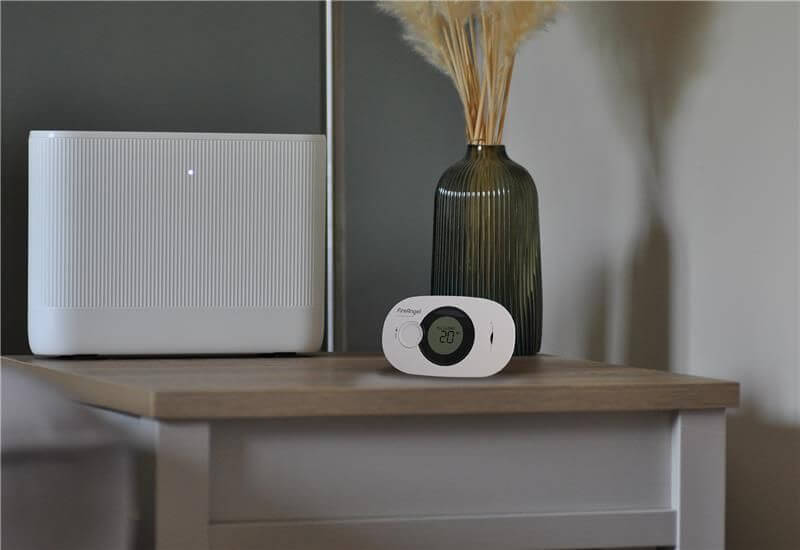
What to do now (practical steps)
1) Fit an audible CO alarm today
- Look for BS EN 50291 and the Kitemark.
- Place in any room with a fuel-burning appliance (boiler, gas fire, stove).
- Test weekly and replace at end-of-life (typically 5–7 years).
2) Book a service with a qualified engineer
- Gas: a Gas Safe registered engineer.
- Oil/solid fuel: an appropriately qualified technician (e.g., OFTEC/HETAS).
- Keep vents and flues clear; never block air bricks.
3) If your alarm sounds or you suspect CO
- Get fresh air immediately; turn off appliances if safe.
- Call the National Gas Emergency Service: 0800 111 999 (for gas incidents).
- For medical emergencies or if in doubt, call 999.
- Do not re-enter until a professional says it’s safe.
4) Renters’ rights (England)
Landlords must provide a CO alarm in any living room with a fixed combustion appliance (excluding gas cookers), test at the start of a tenancy, and replace when faulty. If you report a concern, your landlord should act within a reasonable time and arrange a qualified check.
“Why are cases rising?”
Campaigners point to three main drivers:
- Maintenance gaps: delayed servicing and ad-hoc DIY fixes.
- Older appliances run harder in cold snaps.
- Awareness: more alarms may be detecting problems that previously went unnoticed; good for safety, but it means call-outs increase.
Oxfordshire help
- Safe & Well home visits: Oxfordshire Fire & Rescue offers home-safety advice; eligible residents may receive alarms. Check the county website or call the service’s non-emergency number.
- Students & HMOs: ensure required alarms are present and working; report faults to your landlord or college.
Key Quotes
“Make sure all gas appliances are serviced regularly by a qualified Gas Safe engineer and that your CO alarm is working. If your alarm sounds, treat it seriously — get out, call the emergency services and don’t go back inside until it’s declared safe.”
Emma Cook, Project SHOUT
Methodology note
Figures are based on Freedom of Information responses from UK Fire & Rescue Services compiled by Project SHOUT (2025). The homeowner servicing stat comes from 269 online interviews with Gas Safe-registered tradespeople.