The last week has brought bursts of what many residents are calling “monsoon weather”, sudden, un-forecasted downpours that drench streets in minutes before giving way to warm sunshine and blue skies. Wet paving slabs and startled pedestrians have become a familiar sight across Oxfordshire, a reminder that autumn is arriving whether the forecasts predict it or not.
Experts say these intense, short-lived showers are a warning to homeowners to check their roofs before the stormier weeks ahead. The Met Office confirms that October to December are typically Oxfordshire’s wettest months, with average rainfall climbing to around 74 mm, and roofing specialists warn that minor maintenance issues left unchecked now can quickly turn into expensive repairs once the big autumn storms hit.
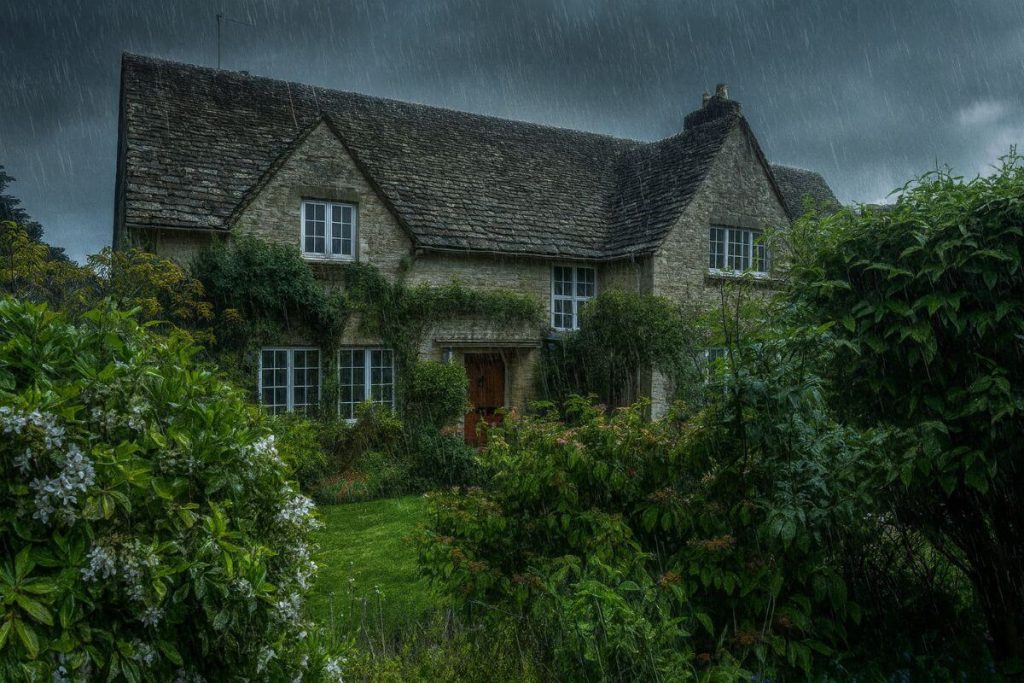
“Every year we see a rise in emergency callouts once the first big storms arrive,” said Luke Cutley of Precision Southeast Roofing Services. “Simple checks done in September can prevent major damage in October. Loose tiles, blocked gutters or unsecured fittings may not look serious, but they can quickly lead to leaks and structural problems once the weather turns.”
Why Oxfordshire Homes Face Unique Roofing Challenges
The county’s diverse mix of historic and modern architecture presents particular risks:
- Older properties, particularly in Woodstock, Burford and Oxford city, feature slate and clay tile roofs that, while durable, can become brittle and crack with age.
- Modern estates, around Bicester and Didcot for example, rely on concrete tile installations. These are more secure but can still shift or lift in high winds if not maintained.
- Historic features such as chimneys, ridge tiles and decorative fascias are structurally weaker points, especially on listed buildings. These areas often need specialist repair and may require Listed Building Consent before changes are made.
- Local rainfall patterns show a marked increase in precipitation between September and November, testing guttering and drainage systems already strained by falling leaves.
Oxfordshire’s architectural heritage adds further complexity: homeowners in conservation areas must seek advice from planning officers before altering materials or making structural changes. Under Building Regulations, replacing more than 25% of a roof covering or changing its material usually requires official approval, including insulation and ventilation upgrades.
The Autumn Roof Checklist
Local experts recommend the following 14-point checklist before the storm season:
- Scan from the ground with binoculars: check for cracked, slipped or missing tiles and slates.
- Ridge and hip lines: look for gaps or movement; these are prone to loosening in high winds.
- Chimneys and lead flashing: check for leaning pots, open joints, or damaged lead work.
- Valleys and abutments: inspect for debris or water staining, signs of blocked flow.
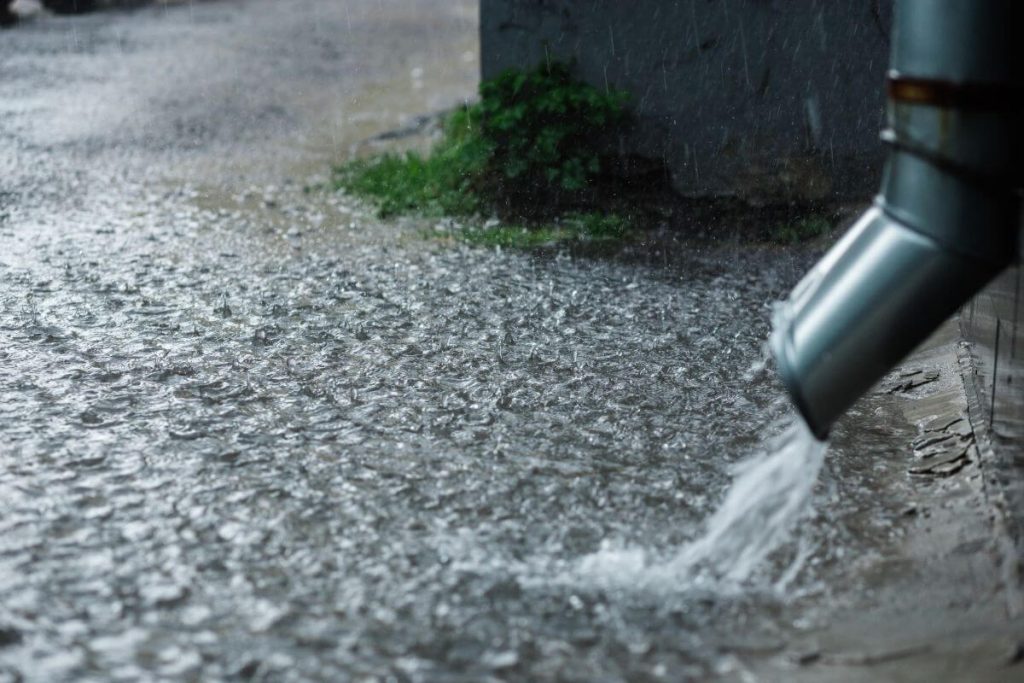
- Gutters and downpipes: clear leaves, moss and silt; run a hose test to ensure water flows freely.
- Fascias and soffits: check for rot, cracks or detachment as these protect the roof edge.
- Loft inspection: look for daylight through the roof, damp timbers, or wet insulation.
- Ventilation: confirm soffit vents and air bricks are clear, essential to prevent condensation.
- Roof-mounted equipment: tighten or replace corroded fixings on aerials, dishes, or solar panels.
- Trees: trim back overhanging branches that may fall or scrape tiles.
- Ground drainage: make sure downpipes discharge away from walls and foundations; consider flood resilience if near the Thames, Cherwell, or Ock.
- Emergency kit: store tarpaulins, duct tape, buckets and towels; know where the stopcock is.
- Insurance review: check your home policy for storm cover, definitions of “storm damage,” and your excess.
- Know your limits: never climb onto a roof without proper training and equipment; call a professional for loose tiles, flashing defects or structural issues.
When to Call a Professional
While some maintenance tasks such as gutter clearing are safe for confident homeowners, experts warn against attempting repairs at height.
According to the Health and Safety Executive, falls from height remain one of the leading causes of workplace fatalities, underlining the risks of DIY roof work.
“Climbing onto roofs is dangerous, especially in damp or windy conditions,” said Cutley. “If you notice loose tiles, damaged flashing or structural problems, always call a qualified roofer. It’s far cheaper and safer to deal with it before the storms hit than after.”
Homeowners are advised to use reputable contractors, checking membership with the National Federation of Roofing Contractors (NFRC) or the government-backed TrustMark scheme. Oxfordshire Trading Standards also maintains a Buy With Confidence register of vetted local traders. Before hiring, check any tradespeople have public liability insurance.
Preparing for Emergencies
Even with preparation, sudden leaks or storm damage can occur. Experts recommend:
- Keeping tarpaulins, ropes, waterproof tape, buckets and towels in reserve.
- Knowing the location of your stopcock to shut off water quickly.
- Having the contact number of a trusted local roofing contractor ready.
Documenting any damage with photos for insurance purposes and keeping receipts for emergency repairs, advice echoed by the Association of British Insurers, which reports billions in weather-related pay-outs each year.
Modern Technology for Added Protection
Homeowners now have access to affordable monitoring tools:
- Leak sensors placed in loft spaces can send smartphone alerts at the first sign of moisture.
- Compact home weather stations provide real-time readings of wind speed and rainfall, giving homeowners early warning of conditions that may strain roofs.
- Drone surveys, increasingly used by roofing firms, allow safe, detailed inspection of roofs without ladders or scaffolding.
Flood and Drainage Considerations
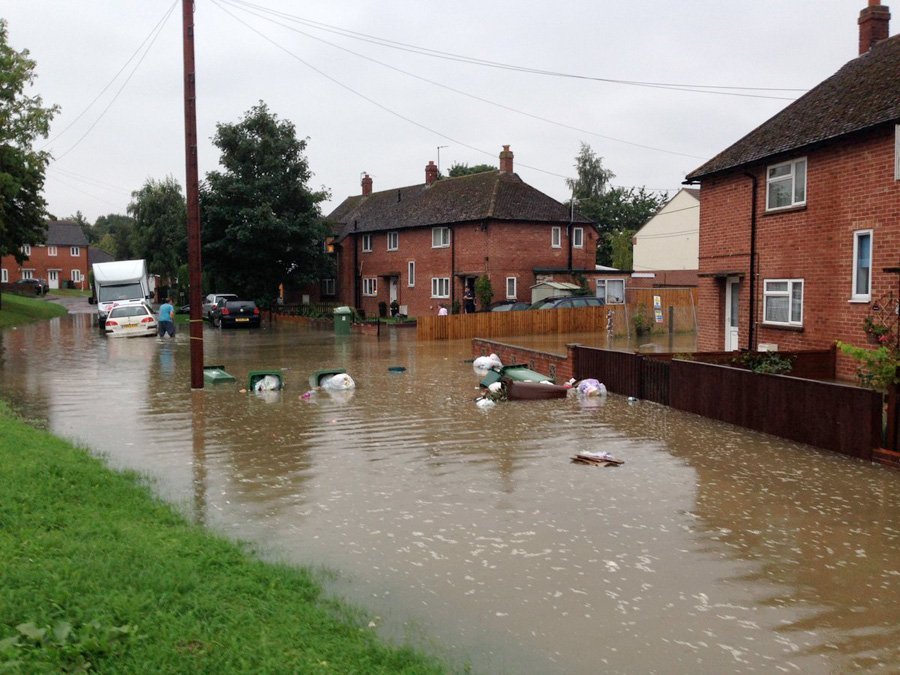
Roof checks should be paired with drainage assessments, especially in flood-prone areas of Oxford, Abingdon, and Wallingford. The Oxfordshire Flood Toolkit provides localised advice on flood resilience, while the Environment Agency offers a free flood warning service. Ensuring that gutters and downpipes are clear and discharging water away from the property is the first line of defence against damp and flooding.
Heritage and Listed Properties
For residents in Woodstock, Burford, and Oxford’s historic centre, roofs may be subject to special protections. Historic England advises retaining traditional materials, such as natural slate or clay tiles, and warns that even some like-for-like replacements may require Listed Building Consent.
Carrying out unauthorised work on listed buildings can result in enforcement action and costly remedial work. Conservation officers can advise on appropriate materials and repair techniques.
Other Storm-Season Checks for Homeowners
Secure gardens and outdoor spaces
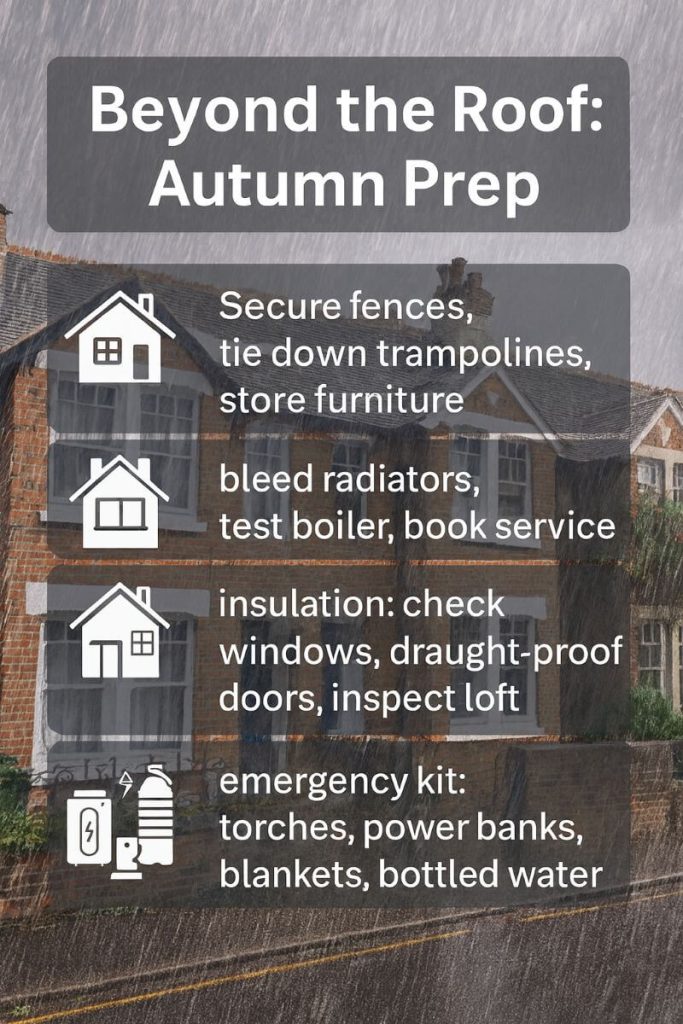
- Fences & gates: Inspect panels, posts, and hinges. Loose or rotting fence posts are often the first to blow down in high winds. Reinforce or replace them before storm season.
- Garden furniture & trampolines: Tie down, move into sheds, or use anchors. Unsecured trampolines are notorious for ending up in neighbours’ gardens during autumn gales.
- Trees & hedges: Cut back overhanging branches and remove weak limbs that could fall on roofs, cars, or power lines.
Check heating and energy systems
- Bleed radiators: Release trapped air to improve efficiency and reduce heating bills.
- Test the boiler: Switch it on before the weather turns. Early September is the best time to catch faults before demand increases.
- Service appointments: Book heating engineers now, as waiting times rise sharply when the first cold snap arrives.
Windows, doors and insulation
- Seal draughts: Check for gaps around frames and use weather stripping or sealant.
- Inspect loft insulation and ventilation: Prevent condensation and reduce energy waste.
Emergency household prep
- Torches, batteries, and candles in case of power cuts.
- Charged power banks for mobile phones.
- Basic supplies: bottled water, tinned food, and blankets for vulnerable households.
The Bottom Line
Seasonal preparation may feel like another chore, but specialists say the benefits are clear.
“In Oxfordshire, October’s weather can expose weaknesses fast, ridge tiles, flashings and blocked gutters are the usual culprits,” said Cutley. “A one-hour check in September often prevents a four-figure repair bill in October. It’s all about being proactive, your roof is your home’s first line of defence.”