

















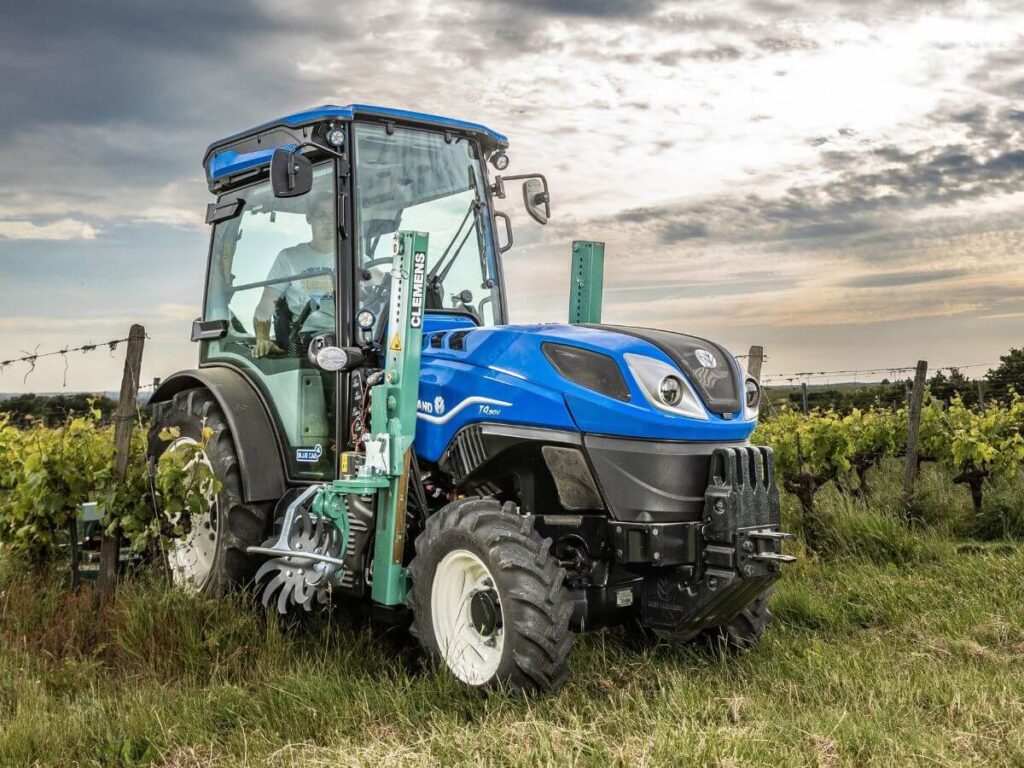
There is little doubt that the tractor is the most useful piece of agricultural equipment currently available, especially in regions like Oxfordshire, where farming is an integral part of the economy and agricultural land accounts for 74% of the county.
In 2024, Oxfordshire’s agricultural sector continues to grow despite risk versus reward imbalance, with both livestock and arable farming playing a significant role. Perhaps inspired by Jeremy Clarkson’s Diddly Squat farm, farmers in the region are increasingly adopting sustainable practices as part of national initiatives, reflecting the ongoing importance of reliable and efficient machinery like tractors.
Given the reliance on this equipment, maintaining your tractor is crucial to ensure uninterrupted farm operations. This includes regularly replacing components like bearings, which play a key role in the tractor’s longevity.
Here’s what you need to know when selecting tractor bearings.
Verify the Manufacturer
Choosing the right bearings starts with assessing the manufacturer. Ideally, you will have heard of them before and know that their bearings are made to the highest quality. If this isn’t the case, you’ll want to review the manufacturer.
You can speak to other farmers in regions like Oxfordshire, where sharing farming practices is common, and check online reviews. The most relevant reviews are those that highlight how manufacturers handle potential issues, which can be critical if you experience any problems with your bearings.
Consider the Load
Tractors in Oxfordshire farms are subjected to intense use, often required to transmit significant force to various attachments. This is referred to as the load. The greater the load, the more strain is placed on the tractor’s components, particularly the bearings. In Oxfordshire, where mixed farming is common, the rugged terrain can contribute to this load.
There are two types of loads to consider:
- Radial Loads: These forces push a bearing sideways in relation to the axis, often caused by uneven or rough terrain, a frequent occurrence in the agricultural landscapes of Oxfordshire.
- Axial Loads: These are the weights of components, such as a driveshaft that spins faster when a tractor works harder. As the region embraces more digital and eco-friendly farming practices, the need for high-performance bearings that can handle both types of loads becomes even more pressing. The faster you accelerate, or brake, the greater the axial load on your tractor bearings.
Check Rotational Speed
Another factor to consider is rotational speed. Every bearing has a maximum rotational speed, defined during manufacture by the materials used and their thermal limits. Given that Oxfordshire farms are increasingly adopting innovative machinery, it’s important to match the bearings to the speed demands of various attachments. Ball bearings are ideal for high-speed applications, while roller bearings are better suited for low-speed tasks.
Material Composition
In agriculture, particularly in areas like Oxfordshire where farms are shifting towards more sustainable practices, the environment plays a significant role in bearing selection. Metal bearings are commonly used in tractors for their high load capacity and durability under high-speed conditions. However, they require regular lubrication and can corrode over time, especially when exposed to the harsh conditions of farming.
Composite bearings, on the other hand, are lightweight and self-lubricating, making them suitable for tractors operating in dusty environments. Given the push towards sustainability in Oxfordshire, composite bearings might align well with farmers looking to reduce maintenance needs and avoid corrosion. However, these bearings are less effective in high-load or high-temperature environments.
Summing Up
In the demanding agricultural landscape of Oxfordshire, metal bearings are often the best choice for tractors. They are more capable of handling the heavy loads and continuous use required in the region’s farms. Regular checks for fatigue and ensuring adequate lubrication will keep your tractor’s bearings functioning efficiently, allowing you to maintain smooth operations on your farm.
This approach ensures that you not only preserve the operational efficiency of your machinery but also align with the growing trend towards sustainable farming practices in Oxfordshire, making it a smart choice both economically and environmentally.














