Hair loss affects millions of people in the UK and can deeply affect confidence and mental health. Now, scientists at Oxford University are at the forefront of pioneering new treatments, from genetic research to regenerative therapies, that may reshape how we understand and treat hair loss.
This guide explains the most common causes of hair loss and explores current evidence-based treatment options, including when to seek specialist advice.
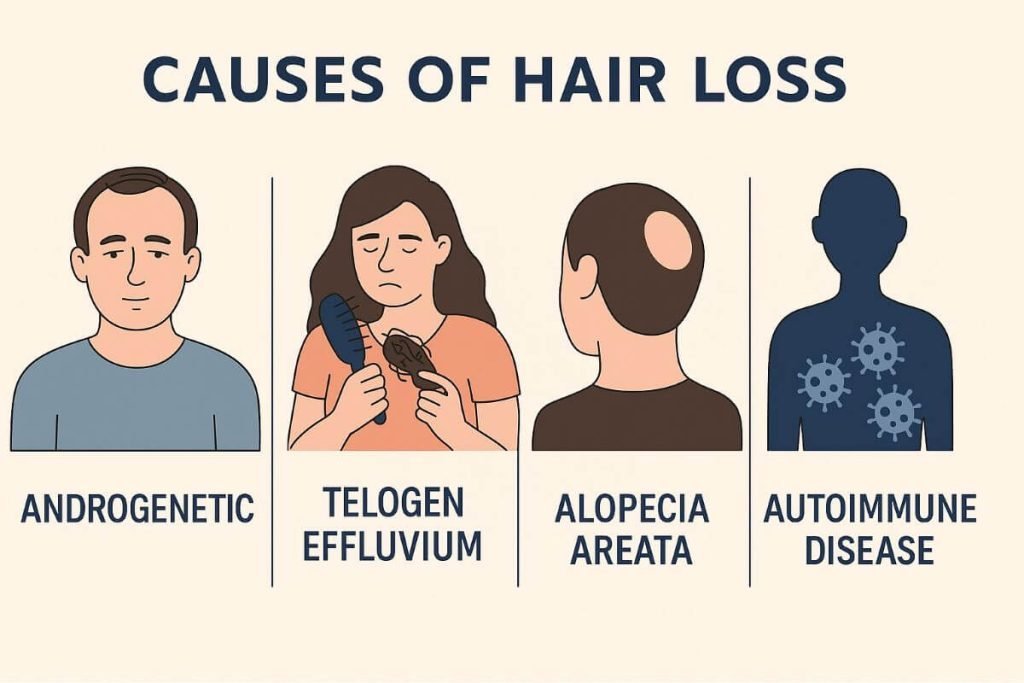
Understanding the Root Causes of Hair Loss
Hair loss (alopecia) can result from a variety of conditions. The most common form is androgenetic alopecia, also known as male or female pattern baldness, which typically develops over time due to a combination of genetics and hormonal sensitivity.
Oxford University researchers have confirmed that androgenetic alopecia is driven by sensitivity to dihydrotestosterone (DHT), which causes gradual miniaturisation of hair follicles. Treatments such as finasteride are effective because they target this hormonal mechanism.
Other common causes include:
- Telogen effluvium – Temporary shedding caused by stress, illness, or nutritional deficiencies.
- Alopecia areata – An autoimmune condition where the body attacks its own hair follicles. Oxford-led research shows this condition often co-occurs with thyroid issues or other autoimmune diseases and can have a profound psychological impact.
- Medical conditions – Thyroid imbalances, iron deficiency, or hormonal disorders.
- Hair care damage – Over-styling, harsh chemicals, and tight hairstyles.
- Age-related thinning – Hair naturally becomes finer and slower to regrow with age.
If you’re experiencing significant or unexplained hair loss, consult your GP or a dermatologist to rule out underlying health conditions.
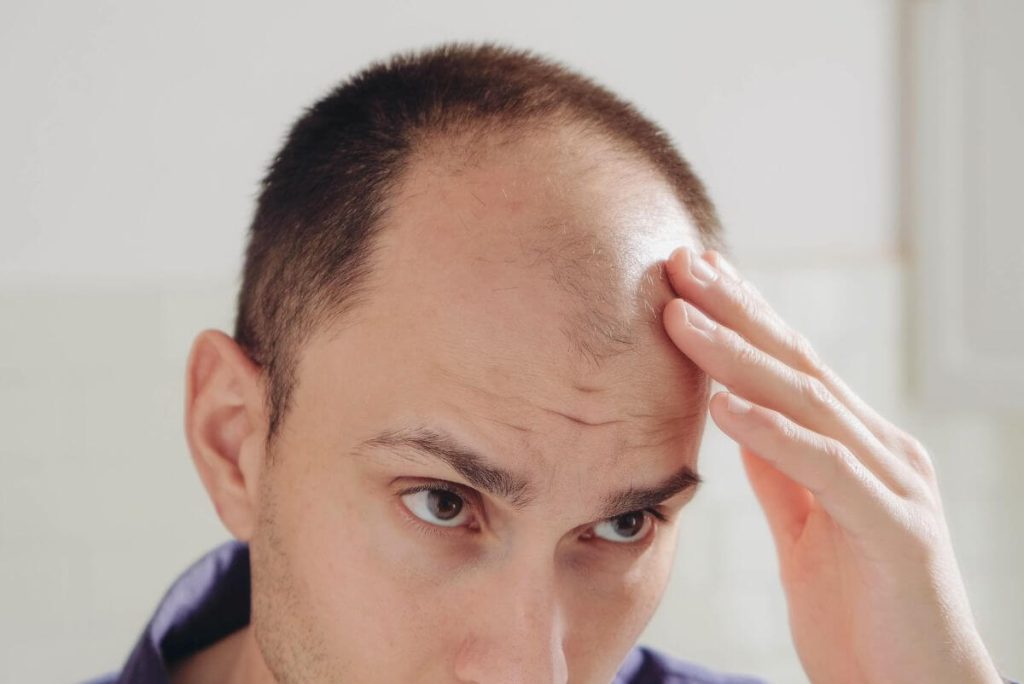
Treatment Options: What the Evidence Shows
Treatment depends on the cause and extent of hair loss. Oxford-linked studies and UK-based clinical trials have helped establish several effective options:
Lifestyle & Nutritional Support
Ensure adequate intake of iron, vitamin D, zinc, and protein. Managing stress, getting enough sleep, and avoiding aggressive hair treatments can also support healthy growth.
Topical and Oral Medications
- Minoxidil (Regaine): Available OTC in the UK, it helps prolong the growth phase of hair. Oxford-based researchers have also found oral minoxidil to be similarly effective in men when used under medical supervision.
- Finasteride (Propecia): A prescription drug that reduces DHT levels. Oxford‑linked clinical trials published in the Journal of the American Academy of Dermatology demonstrated that finasteride 1 mg daily significantly slowed hair loss and increased scalp hair count over 24 months compared to placebo.
Autoimmune Hair Loss Therapies
For alopecia areata, corticosteroids remain a first-line treatment. But new JAK inhibitors such as baricitinib have recently shown promising results in trials supported by UK researchers. This drug is now MHRA-approved in the UK, though NHS coverage is under review and it is not yet approved by the National Institute for Health and Care Excellence (NICE).
Non-Surgical Therapies
- Platelet-rich plasma (PRP): Injections from a patient’s own blood may stimulate follicles.
- Low-level laser therapy (LLLT): Some studies suggest this may increase hair density, though evidence is still emerging.
Surgical Option: FUE Hair Transplant
When hair loss is more advanced and stable, FUE (follicular unit extraction) is a leading surgical method. It involves:
- Harvesting individual follicles from a donor area (usually the back of the scalp).
- Implanting them into thinning regions.
- Minimal scarring and local anaesthesia, with a typical recovery of a few days.
Any surgery in the UK like FUE hair transplant is recommended through a highly qualified professional, such as London’s Harley Street. Results usually begin to show after 3–4 months, with full effects visible at 12 months.
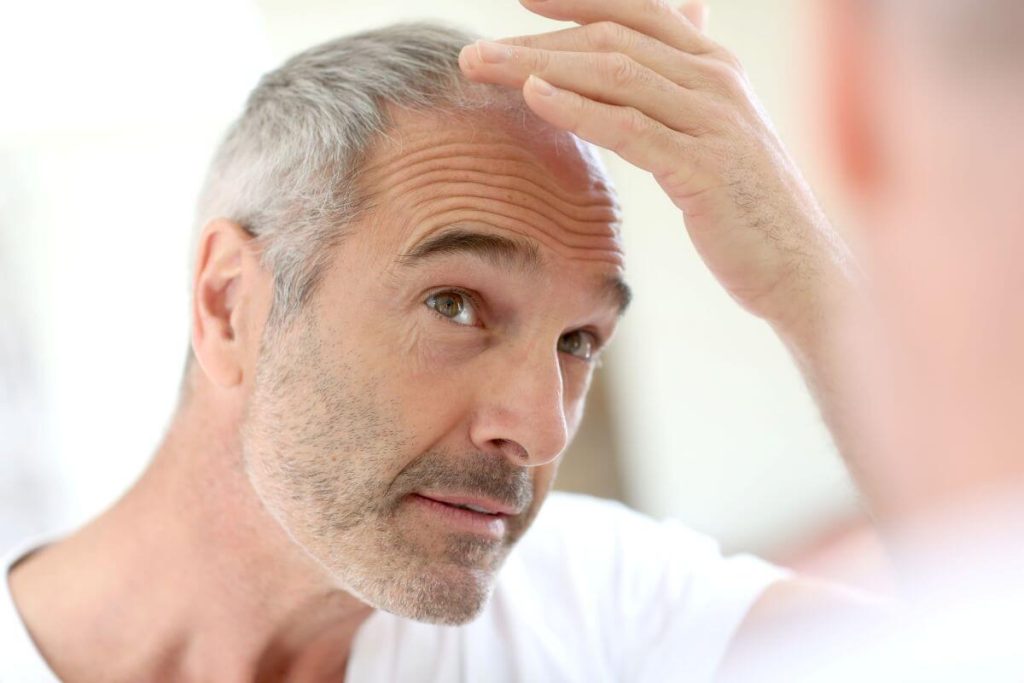
The Emotional Impact of Hair Loss
Hair loss can have a significant psychological toll. A robust UK study utilising Oxford‑based GP records found that individuals with alopecia areata were 30–38% more likely to develop depression or anxiety, and had higher rates of sickness absence and unemployment compared to matched controls
In addition, Oxford’s Health Experiences Research Group found that both men and women who lost hair due to chemotherapy experienced similar levels of emotional distress, dispelling the myth that only women are psychologically affected.
These findings highlight the importance of offering mental health support alongside medical or surgical treatment.
Oxford’s Role in the Future of Hair Restoration
Oxford scientists are also pushing boundaries in regenerative medicine:
- In collaboration with US researchers, Oxford teams have helped develop hair-bearing skin organoids, enabling adult skin cells to grow new hair in lab settings.
- Other Oxford studies have shown it’s possible to stimulate new hair follicle growth by activating specific molecular pathways, such as the Hedgehog signalling pathway, in adult skin.
- Genetic research using UK Biobank data (headquartered in Oxfordshire) has identified new genes involved in hair growth, offering future targets for treatment.
While these therapies are still in early stages, they represent a potential revolution in how we treat hair loss in the next decade.
Final Thoughts
Hair loss is a deeply personal journey. With today’s advances, from evidence-based medical therapies to cutting-edge regenerative science, there are more options than ever. Understanding the cause, exploring treatment choices, and getting the right support can help restore not only your hair, but also your confidence.
If you’re considering treatment, speak with your GP, a dermatologist, or a qualified hair restoration specialist. You’re not alone, and help is available.
With leading-edge research happening right here in Oxfordshire, the future of hair loss treatment is no longer limited to hope, it’s being shaped by science.