

















The decision to buy a new house is one of the most significant financial commitments many people will make in their lifetime. For local readers, this decision comes with a unique set of considerations, shaped by the country’s housing market, economic conditions, and personal financial circumstances.
This article explores whether buying a new house is a sensible option in the current UK climate, weighing the benefits and challenges involved.
The Current State of the UK Housing Market
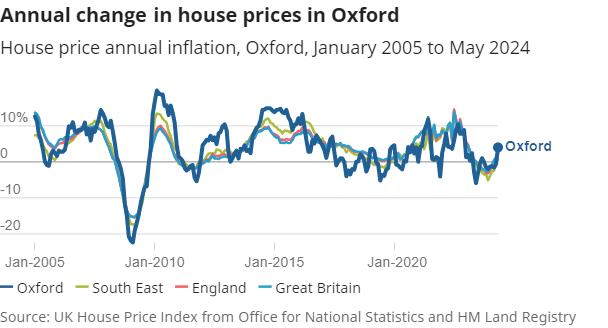
The UK housing market has seen considerable fluctuations in recent years. Following the initial economic uncertainty of the Brexit vote, the market experienced a resurgence, partially driven by government incentives such as the Stamp Duty holiday during the COVID-19 pandemic.
However, post-pandemic economic adjustments and rising interest rates have introduced new complexities. As of mid-2024, house prices have shown signs of stabilising, but regional variations persist, with London and the South East remaining significantly more expensive than other areas of the country.
Local Market Trends in Oxfordshire
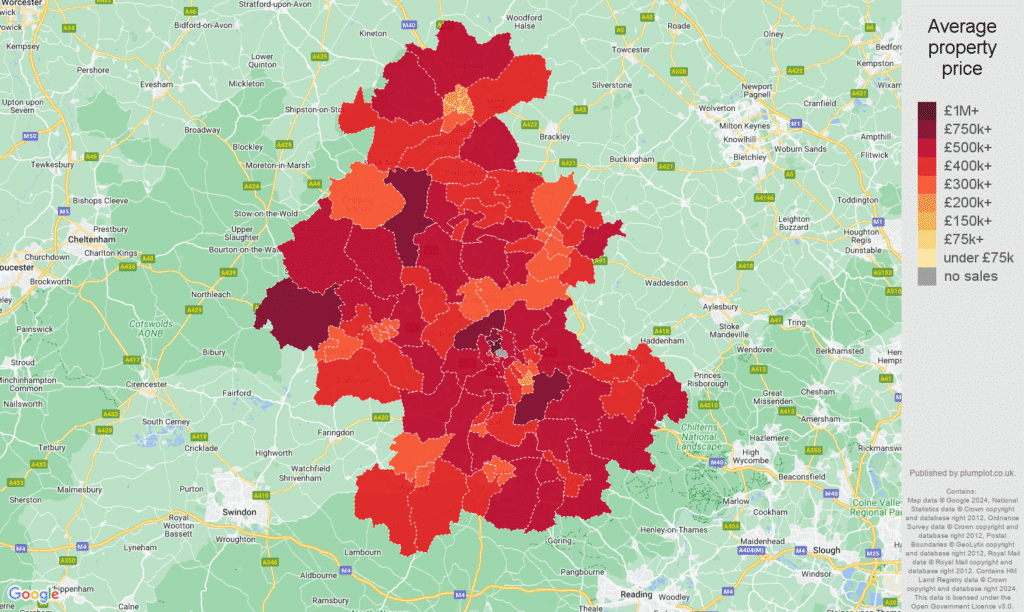
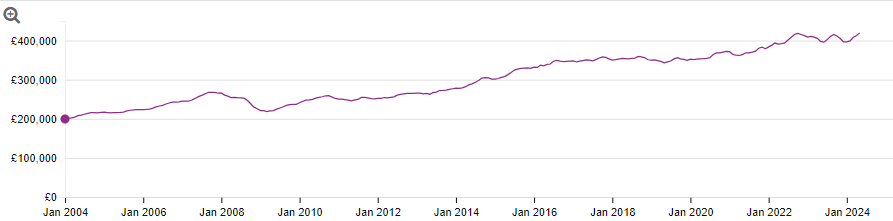
Oxfordshire has seen steady growth in house prices, although it varies by area. Recent data shows that the average house price in Oxfordshire is higher than the national average, reflecting the county’s desirability and robust local economy. Areas such as Oxford and its surroundings have particularly high demand, driving up prices.
Financial Considerations
One of the primary factors influencing the decision to buy a new house is financial stability. Prospective buyers need to assess their ability to secure a mortgage, which is increasingly challenging due to stricter lending criteria and higher interest rates. The affordability of monthly mortgage repayments, alongside the upfront costs such as deposits, legal fees, and moving expenses, must be carefully calculated.
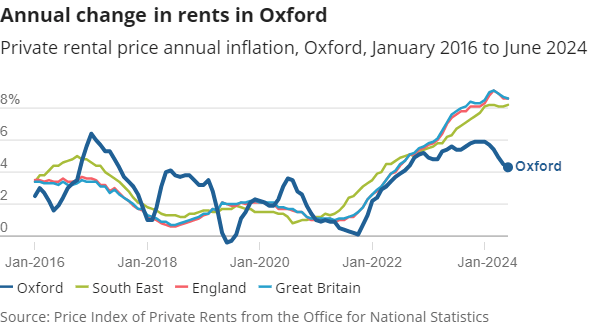
In addition to these costs, ongoing expenses associated with homeownership, such as maintenance, insurance, and potential property taxes, should be factored into the decision-making process. Comparing these with the cost of renting, which also varies widely across the UK, can help determine the most financially viable option.
Rent vs. Buy Analysis
The average monthly rent in Oxfordshire for a two-bedroom property ranges from £1,200 to £1,500, depending on the location and amenities.
The average house price in Oxfordshire is around £450,000, with variations depending on the specific area and property type. This means buyers usually need a deposit of at least 10% of the property value, which would be around £45,000.
The current average rate across big six lenders is around 5%, so monthly mortgage payments for a property of this value, assuming a 30-year term and a 5% interest rate, would be approximately £2,175.
So incorrectly assuming no price changes, that is paying £783,010 on mortgage debt of £405,000 and total interest of £378,010, versus 1,350 per month rent totalling £486,000. But rent will increase over time, and re-mortgaging in the later years usually means a lower loan to value rate and better interest rates. And of course, owning a property gives a long-term return on investment.
Part Exchange Opportunities
Part exchange is a scheme where a homeowner can trade in their current property as partial payment for a new home. It is typically offered by property developers or house builders. In this arrangement, the developer purchases the buyer’s existing home at a predetermined price, allowing the buyer to use this value towards purchasing a new-build property.
This eliminates the need for selling their home on the open market, thus simplifying the process.
Speed and Certainty of Sale
One of the most significant benefits of part exchange is the speed and certainty it offers.
Selling a home on the open market can be time-consuming, unpredictable, and stressful, often involving lengthy negotiations and the potential for deals to fall through. Part exchange bypasses these uncertainties by providing a guaranteed sale of the existing property.
This assured sale can be particularly advantageous for buyers who need to move quickly due to personal circumstances, such as a job relocation or changes in family dynamics. It also eliminates the potential costs associated with maintaining two properties simultaneously if there is a delay in selling the old home, thus providing financial peace of mind.
Avoidance of Property Chain Risks
A common issue in the housing market is the property chain, where the sale and purchase of homes are interconnected. If one transaction in the chain falls through, it can cause a ripple effect, delaying or derailing the entire process. Part exchange removes the buyer’s dependency on the chain, providing a direct and secure transaction.
Considerations and Potential Drawbacks
While part exchange offers numerous financial incentives, it is crucial to consider potential drawbacks. Developers may offer below market value for the existing property, reflecting their need to resell it quickly. Buyers should obtain independent valuations to ensure they are receiving a fair offer.
Additionally, part exchange schemes are typically limited to specific new-build developments, potentially restricting the choice of new homes. Buyers should weigh these limitations against the convenience and financial benefits of part exchange to determine if it aligns with their priorities.
Long-Term Investment Potential
Buying a new house is often seen as a long-term investment. Historically, property in the UK has generally appreciated in value over time, providing homeowners with potential capital gains. However, the market’s future is uncertain, and while property values may continue to rise in some areas, others may see stagnation or decline.
For those looking at property as an investment, it’s crucial to consider the location’s growth potential. Areas undergoing regeneration or benefiting from new infrastructure projects might offer better long-term returns. Conversely, regions with declining industries or poor transport links might not provide the same level of investment security.
Oxfordshire in general though, is a desirable place to live with green spaces, quality of local schools, crime rates, and public transport and close links to London and Birmingham.
Lifestyle and Personal Goals
Beyond financial considerations, lifestyle and personal goals play a crucial role in the decision to buy a new house. Homeownership offers stability, the freedom to personalise living spaces, and the potential for community involvement. For families, owning a home can provide a sense of permanence and security, crucial for raising children.
However, the flexibility that renting offers can be advantageous for those whose careers require frequent relocation or who prefer the ease of moving without the burden of selling a property. Additionally, some individuals may prioritise travel, hobbies, or other investments over the long-term commitment of homeownership.
Government Policies and Incentives
The UK government continues to implement policies aimed at supporting homebuyers, particularly first-time buyers. Schemes such as Help to Buy, Shared Ownership, and the First Homes initiative are designed to make homeownership more accessible. Prospective buyers should explore these options to understand how they might benefit from financial support or reduced purchase costs.
However, it is essential to stay informed about policy changes, as government incentives can fluctuate with political and economic shifts. Keeping abreast of the latest developments ensures that buyers can make informed decisions based on the most current information.
Conclusion
Whether buying a new house is a sensible option for UK readers depends on a multitude of factors, including financial stability, long-term investment potential, personal lifestyle goals, and the current state of the housing market. While homeownership offers numerous benefits, it also comes with significant responsibilities and financial commitments.
Prospective buyers should conduct thorough research, seek professional financial advice, and carefully consider their long-term plans before making this critical decision. By weighing the pros and cons and understanding the unique aspects of the UK housing market, individuals can determine if buying a new house aligns with their personal and financial objectives.