For more than half a century, the John Radcliffe Hospital has been at the centre of Oxfordshire’s healthcare. Known locally as the “JR,” the hospital is both a regional lifeline and an institution of national significance.
Most Oxfordshire residents know the distinctive large white-tiled buildings nestled on Headington Hill in the Oxford plain, and likely have used their services at some point in their lives. Considering the OUH Maternity Services sees an average of 600 births every month, it’s also statistically likely that any true Oxons under the age of 53 were born in Headley Way, with approximately 400k births since the doors opened.
For centuries, the John Radcliffe has reflected the evolution of medicine in Britain, and its future will shape the health of Oxfordshire for generations to come.
From Infirmary to Modern Hospital
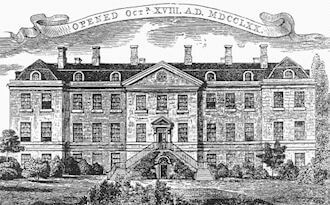
The story of the JR begins long before the Headington site was built. In 1770, the Radcliffe Infirmary opened on Woodstock Road, thanks to a legacy left by Dr John Radcliffe, an Oxford physician whose name the hospital still bears. For more than two centuries, the Infirmary cared for Oxford residents and trained generations of medical students.
It also made history. In 1941, doctors at the Infirmary administered the world’s first dose of penicillin to a patient, a breakthrough that transformed modern medicine. The same year, the hospital opened Britain’s first dedicated Accident & Emergency department.
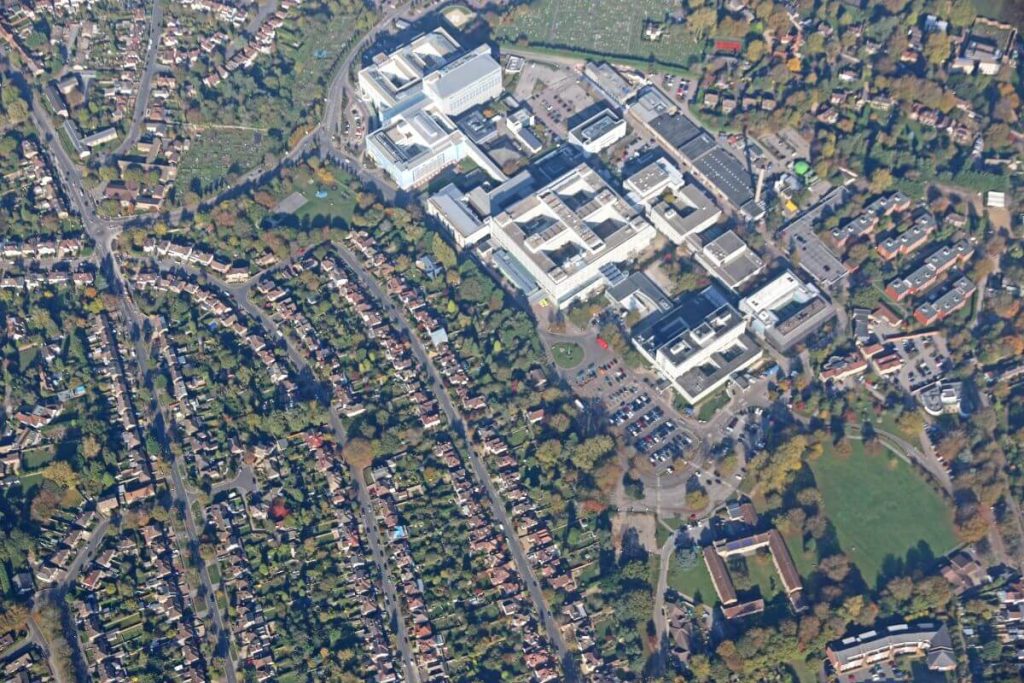
By the mid-20th century, the city needed a bigger, more modern hospital. Land was purchased at Headington, and in 1972 the new maternity block opened, The initial hospital building, later known as JR1, still houses women’s services and neonatology.
The much larger JR2 followed in 1979, containing most of the other specialist services for the region. Over the following years, further facilities were added to the Headington site, including the University of Oxford’s Centre for Functional Magnetic Resonance Imaging of the Brain (FMRIB).
The Radcliffe Infirmary continued to operate alongside the new Headington hospital until 2007, when its remaining services were transferred to the John Radcliffe and Churchill sites. After more than two centuries of service, the Infirmary closed its doors and the historic building was repurposed by the University of Oxford.
Key Milestones in the JR’s History
- 1758 – Radcliffe Trustees propose a hospital for Oxford, funded by Dr John Radcliffe’s estate.
- 1770 – Radcliffe Infirmary opens on Woodstock Road on St Luke’s Day (18 October), with two wards; patients admitted on “Governor’s turn.”
- 1786 – Oxford medical students admitted for clinical training at the Infirmary.
- 1835 – Outpatients first admitted; medical and surgical patients separated.
- 1877 – Dedicated children’s ward opens.
- 1886 – Oxford Eye Hospital established on the Infirmary site.
- 1918 – Maternity care introduced at the Radcliffe Infirmary.
- 1930s – Lord Nuffield’s bequests fund major expansion: maternity home, nurses’ home, private block, operating theatre, new wards.
- 1939 – Full clinical medical school established at the Infirmary.
- 1941 – First use of penicillin on a patient; Britain’s first dedicated Accident & Emergency unit opens.
- 1972 – JR1 maternity hospital opens on Headington site.
- 1979 – JR2 main John Radcliffe Hospital opens, housing most specialist services.
- 2007 – Radcliffe Infirmary closes; services transfer to JR and Churchill. Oxford Children’s Hospital and Eye Hospital open in the West Wing.
- 2008 – Queen Elizabeth II officially opens the West Wing and Oxford Children’s Hospital, supported by a £15m fundraising campaign.
- 2009 – Oxford Heart Centre opens.
- 2012 – JR becomes Thames Valley’s Major Trauma Centre.
- 2016 – World’s first robotic eye surgery performed here.
- 2020 – JR leads RECOVERY Trial for COVID-19 treatment.
- 2022 – Women’s Centre celebrates 50 years; over 300,000 babies delivered.
- 2026 (planned) – New Surgical Elective Centre due to open.
The JR Today
The John Radcliffe is now the main acute hospital in Oxfordshire, caring for tens of thousands of inpatients and outpatients every year. Across the Oxford University Hospitals NHS Foundation Trust, there are around 1.4 million patient contacts annually, with the JR handling a large share of emergency, trauma, and specialist care.
Its maternity services remain among the busiest in the region, with more than 7,500 babies born in Oxfordshire every year, the majority delivered at the JR Women’s Centre. The site also has more than 900 inpatient beds and employs thousands of staff across clinical and support roles, making it one of Oxfordshire’s largest employers. The Newborn Care Unit was rated Outstanding last month, showing the quality of service from the hard-working staff.
The hospital provides accident and emergency services, major trauma, and serves as a hub for inpatient and outpatient care across disciplines ranging from cardiology and neurology to oncology, maternity, and complex surgery. Alongside the Churchill Hospital and Nuffield Orthopaedic Centre, it forms part of the Oxford University Hospitals NHS Foundation Trust.
Teaching and Regional Role
It is also a major teaching facility and centre for research, supporting medical education in partnership with the University of Oxford. Every year, nurses, junior doctors, and medical students train on its wards and in specialist clinics, ensuring the next generation of healthcare professionals benefit from hands-on experience.
This connection between frontline care and academic medicine has long been central to Oxford’s reputation as a centre of medical excellence. With the University of Oxford, the JR has been involved in pioneering medical breakthroughs, from transplant surgery and genetics to the Oxford-AstraZeneca Covid-19 vaccine.
The hospital’s importance extends well beyond the city. As the regional referral hospital for the Thames Valley, it provides specialist services not only for Oxfordshire but also for Buckinghamshire, Berkshire, Wiltshire and parts of Northamptonshire and Gloucestershire. Patients travel from across southern England for advanced trauma care, paediatric medicine at the Oxford Children’s Hospital, eye services at the Oxford Eye Hospital, and neurosurgery and neurophysiology.
Together with the Nuffield Laboratory of Ophthalmology, these facilities ensure the JR continues to deliver care and research of national and international significance.
Innovation and Global Impact
- Cardiac care: The Oxford Heart Centre, opened in 2009, brought specialist heart surgery and cardiology together under one roof.
- Robotic eye surgery: In 2016, surgeons at the JR carried out the world’s first robotic eye operation, opening a new era in precision surgery.
- Covid-19 research: The JR hosted major trials during the pandemic, including the RECOVERY Trial, which identified dexamethasone as the first life-saving Covid treatment.
- Community partnerships: The Oxford Children’s Hospital, part of the JR’s West Wing, was built thanks to a public fundraising campaign that raised more than £15 million, showing the strength of community support for local healthcare.
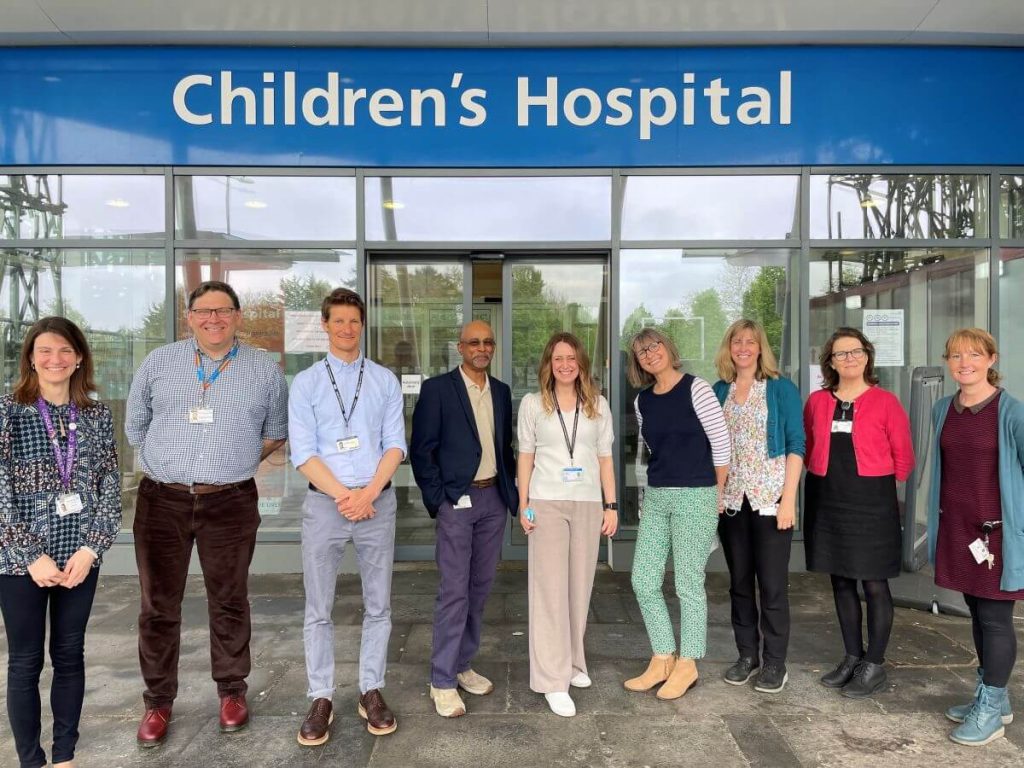
- Paediatric care: The Oxford Children’s Hospital, opened in 2007 as part of the West Wing, provides specialist paediatric services and is co-located with the Oxford Eye Hospital and the Nuffield Laboratory of Ophthalmology, strengthening research and treatment in vision sciences.
- Neurophysiology and neurology: The JR has become a regional centre for neurology and clinical neurophysiology, offering specialist diagnostic and treatment services for patients from across the Thames Valley.
- Oncology services: Working closely with the Churchill site, the JR provides advanced oncology support, particularly for patients requiring combined surgical and cancer care.
These achievements show how the JR has repeatedly pushed the boundaries of medicine, often with global impact.
Challenges on the Horizon
Like the wider NHS, the JR faces mounting pressures. Staff shortages, long waiting lists, and financial constraints have raised questions about how the hospital can continue to deliver high standards of care. Residents across Oxfordshire know that the strain is felt not just in the city but in surrounding towns and villages that depend on its services.
Campaigners have also raised concerns about accessibility. Parking remains limited, and public transport connections, while improving, struggle to keep pace with demand. Patients and staff alike highlight the need for better infrastructure if the hospital is to remain fit for purpose.
Looking Ahead
The future of the JR lies in investment, innovation, and adaptation. Plans are already in place for:
- New Surgical Elective Centre: Due in 2026, this will add seven operating theatres and more critical care beds to reduce waiting times.
- Digital healthcare expansion: Greater use of AI and telemedicine to improve efficiency and patient experience.
- Sustainable development: Moves towards greener buildings and reduced carbon emissions.
- Ongoing research: Continued collaboration with the University of Oxford on cutting-edge treatments and trials.
As Oxfordshire’s population grows and medical needs become more complex, the JR’s evolution will be central to the county’s future healthcare.
John Radcliffe Hospital By Numbers
- ~900 inpatient beds on the JR site.
- ~1 million patient contacts across OUH each year (JR is the largest site).
- ~7,500 babies born in Oxfordshire annually, the majority delivered at the JR Women’s Centre.
- ~11,700 OUH staff (Trust-wide), with the JR as the biggest employer site.
Sources: OUH Annual Reports and maternity service updates (Trust-wide where stated). Figures indicative; see article footnotes for scope.
Why It Matters
For Oxfordshire’s residents, the JR is more than just bricks and mortar. It is:
- A cornerstone of community wellbeing.
- A symbol of scientific achievement.
- A promise of care in times of need.
Its story is still being written, and its future matters to us all.
Frequently Asked Questions
Who was Doctor John Radcliffe
Dr John Radcliffe (1650–1714) was an Oxford-born physician who became one of the most prominent doctors of his era. He studied medicine at the University of Oxford and went on to serve as royal physician to King William III, Queen Mary II, and Queen Anne. On his death in 1714, he left a large fortune to charitable causes in Oxford.
His legacy funded several landmarks that still bear his name today, including the Radcliffe Camera library, the Radcliffe Observatory, the Radcliffe Science Library, and the Radcliffe Infirmary. The John Radcliffe Hospital, opened in the 1970s, continues that legacy by carrying his name.
When was the John Radcliffe Hospital founded?
The current hospital in Headington opened in stages from 1972 to 1979, but its roots go back to the Radcliffe Infirmary, opened in 1770.
What medical breakthroughs happened at the JR?
Among others: first use of penicillin on a patient (1941), the world’s first robotic eye surgery (2016), and leading Covid-19 treatment trials (2020).
What services does the JR provide today?
It is Oxfordshire’s main acute hospital, with A&E, trauma, cardiac, neurological, maternity, and specialist care units.
What are the JR’s future plans?
A new Surgical Elective Centre (2026), digital healthcare upgrades, and ongoing medical research in partnership with the University of Oxford.