Kidlington has formally changed its status from village to town, marking a significant moment in the history of one of Oxfordshire’s fastest-growing communities.
The decision was agreed unanimously by Kidlington Parish Council earlier this month, with councillors saying the move better reflects the size and future direction of the settlement.
With a population of around 13,600 at the 2021 Census, Kidlington has long been described as one of the largest villages in England. However, ongoing housing proposals and strategic development plans could see that number rise sharply in the coming years.
Why change from village to town?
Supporters say the shift is about more than terminology.
Town status is expected to give Kidlington greater influence in planning discussions and negotiations with Cherwell District Council and Oxfordshire County Council. Local representatives believe it will help the area secure infrastructure funding and ensure that services keep pace with development.
Councillors have argued that as housing numbers increase and new neighbourhoods emerge, Kidlington needs stronger recognition in regional planning conversations, particularly around transport, green spaces, schools and health provision.
The change also aligns with wider government planning reforms that are expected to shape how settlements across Oxfordshire expand over the next decade.
Growth on the horizon
Kidlington sits just north of Oxford, close to Oxford Parkway station and the A34. Its location has made it an attractive area for both residential growth and commercial investment.
Several housing schemes have either been proposed or are already progressing in and around the area. While final figures vary depending on planning outcomes, projections suggest substantial population growth over the next 10 to 15 years.
That expansion brings opportunity but also concern.
Some residents have welcomed the recognition that Kidlington is already functioning as a town in all but name. Others worry about pressure on roads, GP surgeries and schools, as well as the potential impact on the area’s character.
Balancing identity and development
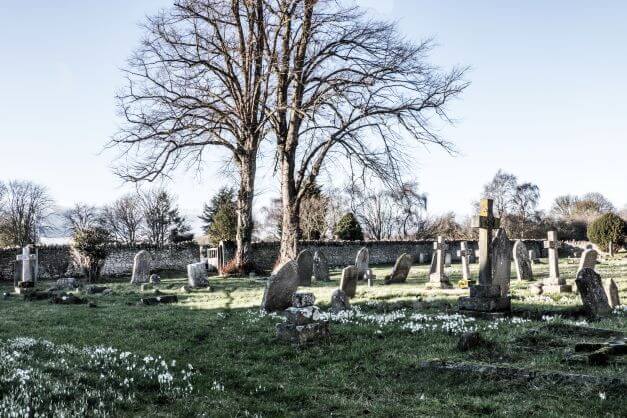
Despite its size, Kidlington retains features traditionally associated with village life, including St Mary’s Church, long-standing local pubs and proximity to the River Cherwell and Oxford Canal.
Previous attempts to change its status were rejected, most notably in a ballot in the late 1980s. This time, however, councillors said the scale of anticipated growth made the conversation unavoidable.
Local leaders have stressed that becoming a town does not mean losing community identity. Instead, they argue it positions Kidlington to shape its own future more effectively.
What happens next?
The status change does not automatically alter planning policy, council tax or governance structures. However, it does signal a shift in how the area presents itself in official documentation and regional strategy.
As Oxfordshire continues to experience significant housing demand and infrastructure investment, Kidlington’s new town designation is likely to feature prominently in future planning debates.
For many residents, the question is not whether change is coming, but how it is managed.
With the stadium project for Oxford United now approved and progressing nearby and ongoing development discussions across Cherwell District, Kidlington’s transition marks another chapter in a period of rapid transformation for north Oxfordshire.
Further consultations on housing, transport and local services are expected later this year.