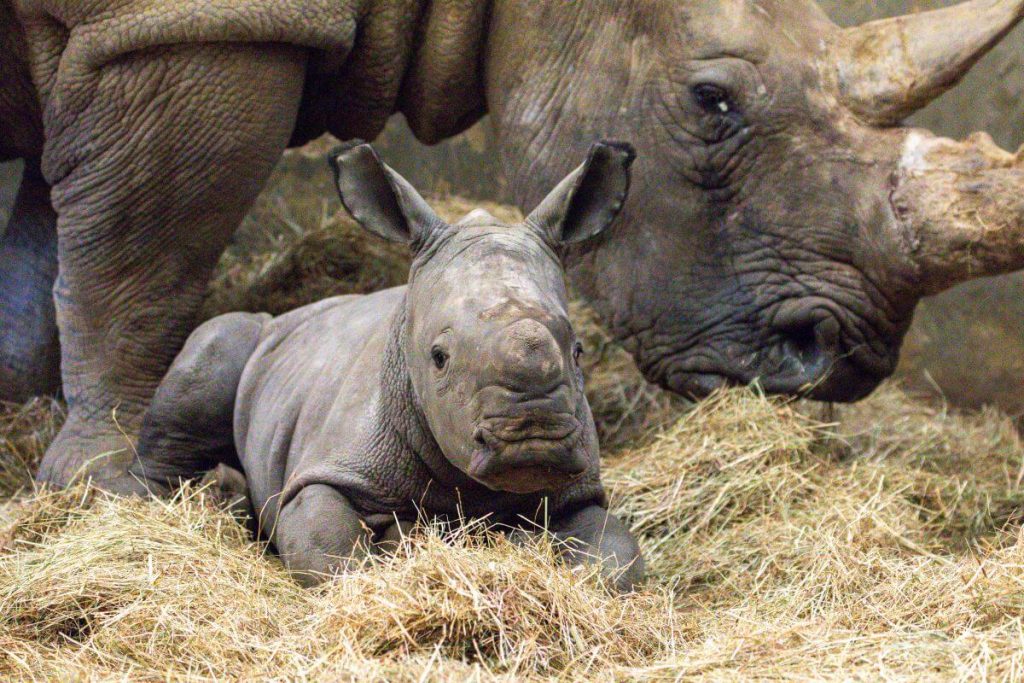
Cotswold Wildlife Park & Gardens, Burford, has announced the birth of a male southern white rhino calf, the only white rhino birth in the UK this year and one of just five in European zoos in 2025.
The new arrival, Markus, is the Park’s 12th rhino calf in 12 years, underlining one of the most consistent breeding records in Europe.
A rare birth, caught on camera
Rhino births usually happen at night and out of sight, but keepers were on hand the evening Nancy, a 19-year-old female, delivered after a 16-month pregnancy. The birth took less than 45 minutes and was filmed by Mammal Keeper Liam Klingsick.
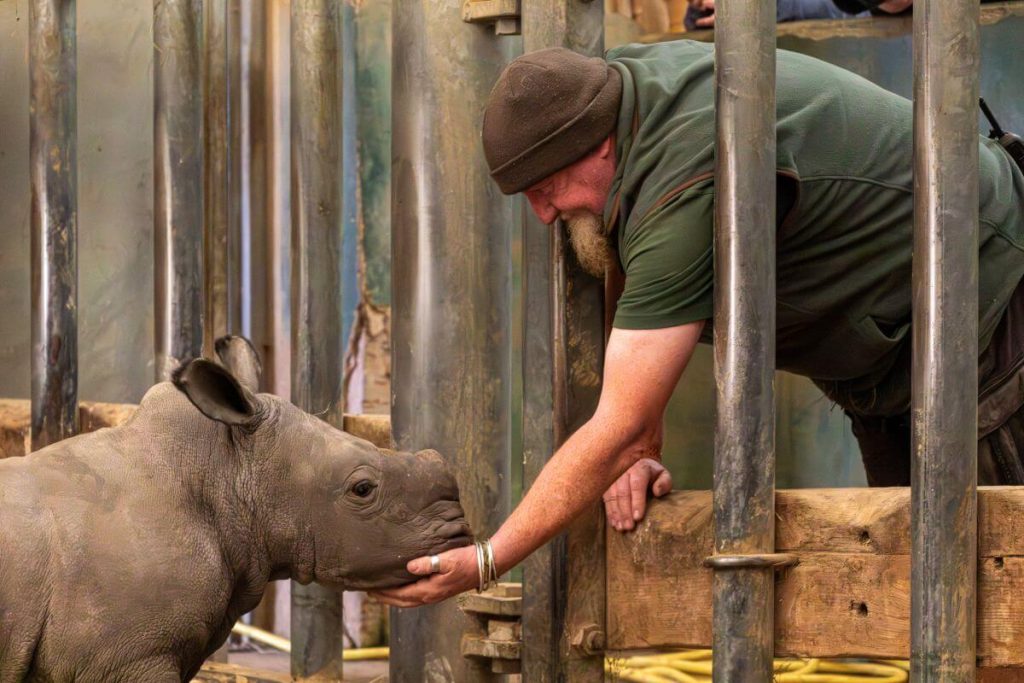
Head Keeper Mark Godwin, who has cared for Cotswold’s growing crash (the collective noun for rhinos) for 12 years, was there too:
“He’s one of the most confident calves I’ve seen. Newborns weigh around 70kg and gain 1.5–2kg a day. If he grows into his features, he’ll be a big lad.”
Markus is Nancy’s seventh calf with breeding male Monty (also 19). Keepers say the youngster is healthy, nursing well and already showing a boisterous streak on the paddock.
Why this matters
Breeding white rhinos in human care remains difficult. Females reproduce only every 2–3 years, gestation lasts 16–18 months, and a single calf is born. Calves stand within an hour, spend the first year suckling and typically stay with their mothers for at least two years.
This birth lifts the Park’s rhino group to eight animals, the largest number ever on show at Cotswold Wildlife Park in its 55-year history, and among the biggest family groups on display in the UK.
Named in honour of a conservation giant
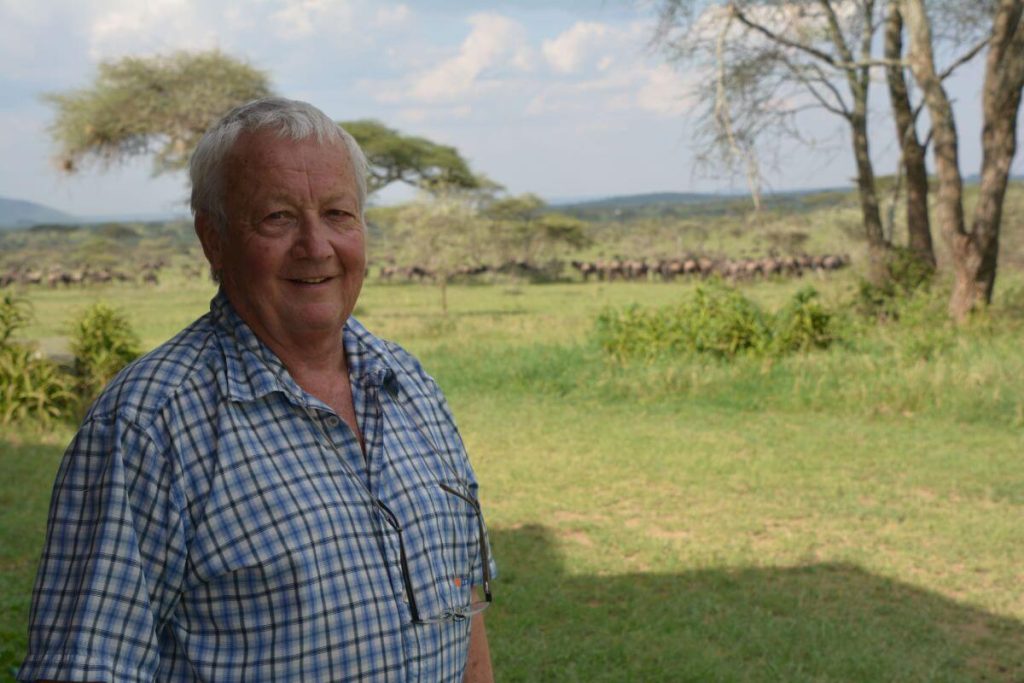
The calf is named for the late Dr Markus Borner, one of Africa’s most influential conservation scientists. Park Chairman Reggie Heyworth explains:
“We have named Nancy’s seventh calf Markus after Dr Markus Borner. He gave me my break into conservation when he led Frankfurt Zoological Society in Tanzania and appointed me project leader of the Rhino Conservation Programme in 1992.
By the time Markus died in 2020, the Serengeti ecosystem had been substantially re-populated with a potentially viable black rhino population. Few people had more positive influence on that outcome than Markus Borner. He was a giant of conservation, a hugely supportive boss and a dear friend.”
Dr Borner received numerous awards, including the Blue Planet Prize (2016) recognising a lifetime contribution to conservation science.
Come and See Markus
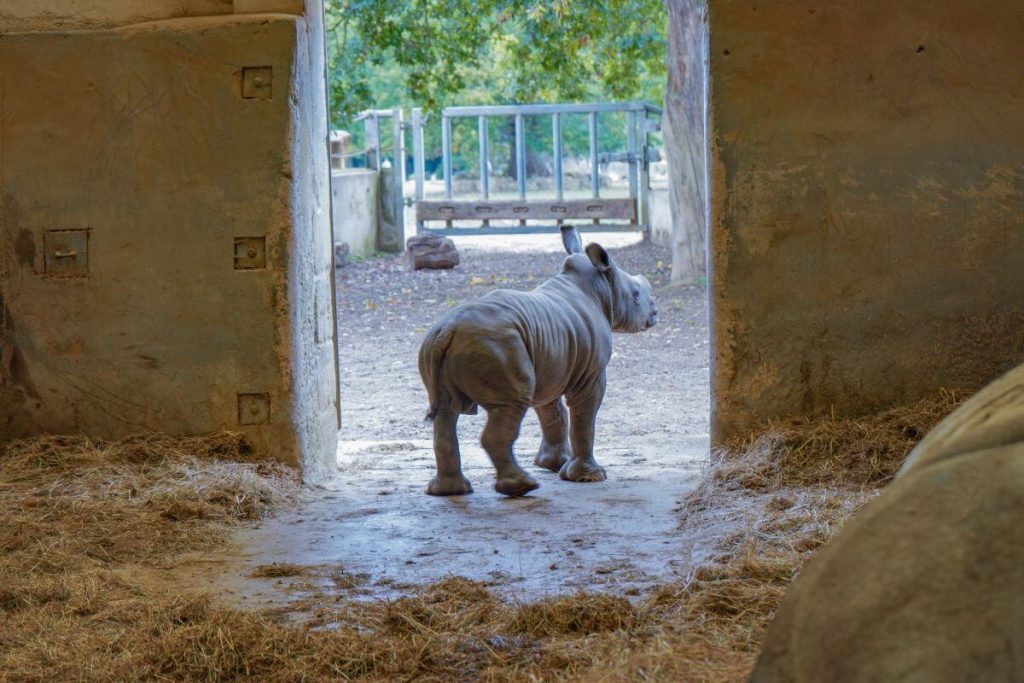
Visitors can see the calf daily from 10am in the solar-powered Rhino House or out on the large paddock overlooking the Manor House.
Details At a glance
- Species: Southern white rhino (Ceratotherium simum simum)
- Name: Markus
- Sex: Male
- Dam/Sire: Nancy (7th calf) × Monty
- Birth: 2025 (evening; filmed by keepers)
- Gestation: ~16 months
- Birthweight: ~70kg (avg)
- Status in Europe 2025: One of five white rhino calves born; only UK birth
Beyond Burford: supporting rhinos in the wild
Cotswold Wildlife Park works closely with UK charity Tusk to protect threatened African wildlife. Over the last decade the Park has raised £120,000+ for Tusk through events and challenges (including Reggie Heyworth’s London Marathon run in 2021 which raised £12,000).
More: tusk.org
Extra facts
- White rhinos were among the first large mammals at the Park, founded by John Heyworth in 1970.
- Nancy and Ruby arrived from Mafunyane Game Farm (South Africa) in 2009 to join young Monty; local MP David Cameron named Nancy after his daughter.
- White rhinos are the most social rhinos; females with young may form groups of up to 14.
- Territorial bulls use scent-marking and maintain 20–30 middens (dung piles) at territory edges.
- Horns grow by about 1 inch per year; rhinos produce around 10 distinct vocalisations.
- White rhinos are conservation’s comeback story: from fewer than 50 in the early 1900s to the most numerous rhino species today, although poaching has escalated again in recent years.
Plan your visit
Cotswold Wildlife Park & Gardens is open daily from 10.00am (closed Christmas Day). Last admission: 3.00pm (4.00pm in summer). Opening times change from 5 January 2026 check the website:
https://www.cotswoldwildlifepark.co.uk/plan-your-visit/opening-times/
- Web: cotswoldwildlifepark.co.uk
- X: @CotsWildTweets
- Facebook: /cotswoldwildlifepark