

















In today’s rapidly evolving retail environment, small business owners across Oxfordshire and the UK face crucial decisions about where, and how, to sell to be profitable.
With changing consumer expectations and post-pandemic digital habits and shopping behaviour changing, the online vs in-store shopping debate rages on. Understanding whether to invest more in e-commerce shopping experience or maintain a physical presence is now central to any UK small business retail strategy.
According to the House of Commons Library, 6% of all UK businesses were in the retail sector as of January 2024. In Oxfordshire alone, over 4,200 retail enterprises were operating in 2023, many of them small independents navigating this digital transformation while serving a diverse population.
Each approach has unique challenges and opportunities, so understanding what suits your specific business model and customers will help you plan with confidence.
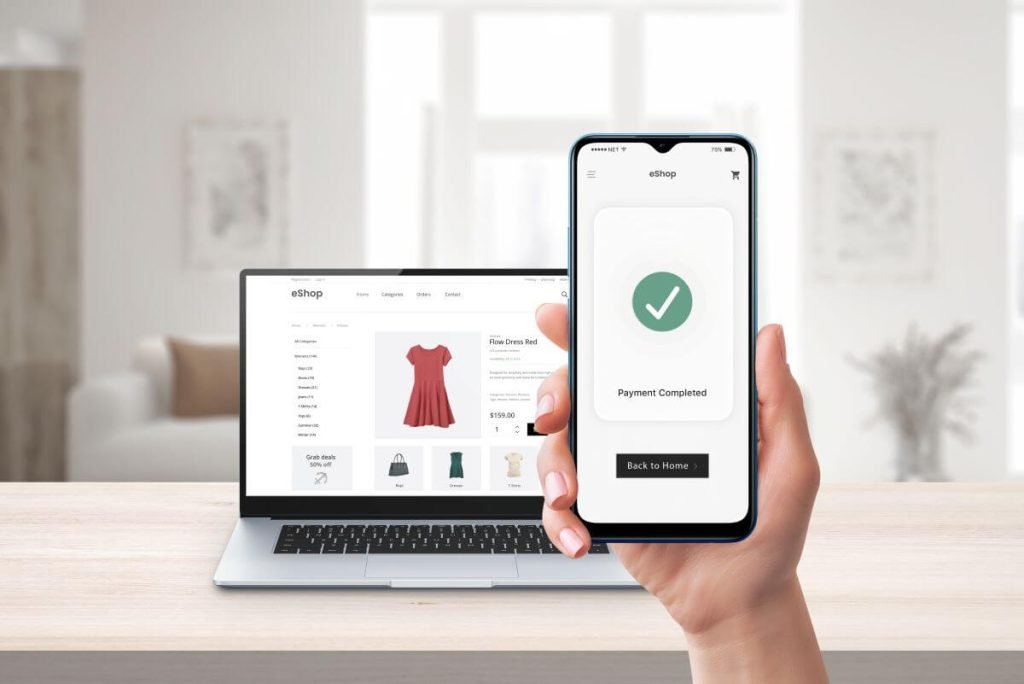
E-Commerce: Expanding Reach and Convenience
E-commerce is projected to account for up to two-fifths of all UK retail sales in 2025, and that growth shows no sign of slowing. Selling online opens your doors 24/7, extends your reach well beyond Oxford or even the UK, and aligns with customer habits shaped by convenience, mobile access, and fast delivery. To tap into the customer base who like to buy online over shop in-store, you need an ecommerce site.
Pros:
- National and global reach will increase purchases
- Automated checkout and inventory
- Lower overhead than high street premises
- Accessibility for online shoppers who cannot come to the store
- Ease of use. Any email promotion or sale can lead directly to an instant purchase
- There’s no queue for payment so higher chance of converting that quick impulse sale
- Your website can display every single product you have with a good filter system be easy to find and buy. In-Store you can likely only display a small variety or selection of products in the key visible areas in the floor space
- Customer reviews can help anyone browsing make a decision
- Quick and easy price changes for sales and discounts rather than relabelling all items
- Easy remarketing to consumers who view your products
- Simple reordering of the products to show best-sellers, trends and popular brands
Cons:
- Requires digital marketing expertise or at least some technical website experience
- Delivery logistics, packaging & shipping costs and returns, need to be factored in
- Less tactile or personal for shoppers than brick-and-mortar stores
- Becomes a 247 customer service expectation on missing, late or incorrect deliveries
- It can be a minefield to find the right web developer who will charge a fair price
- Consumers can easily compare prices with competitors
For Oxford-based entrepreneurs or makers selling regionally or nationwide, building an online store can level the playing field with larger retailers. But please ensure you understand Distance Selling Regulations for online selling.
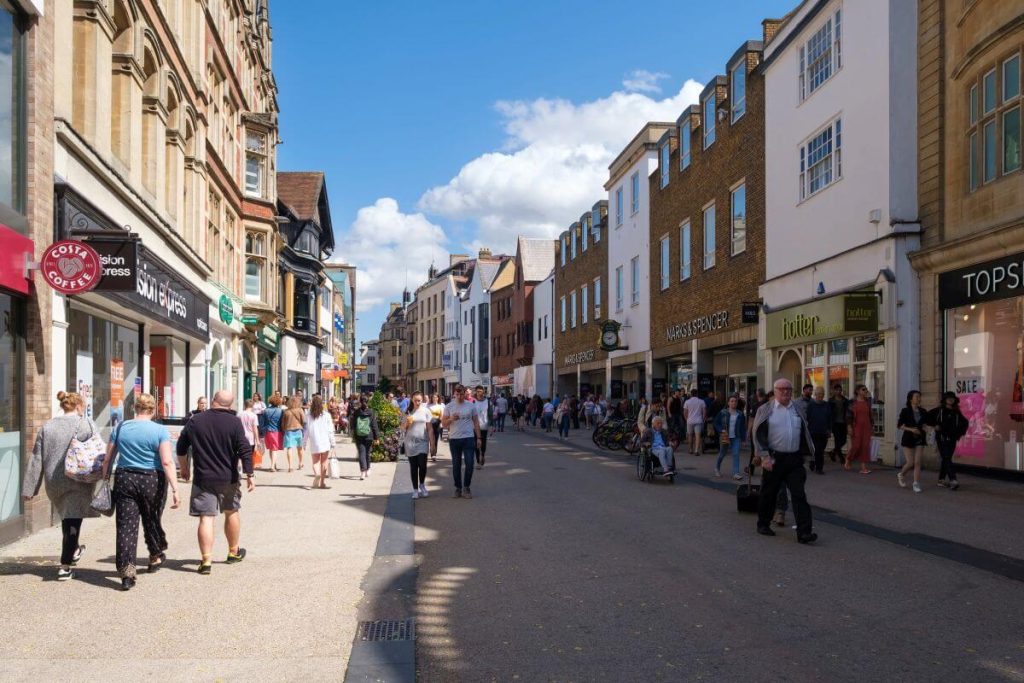
Brick-and-Mortar: Local Loyalty and Real-World Presence
Nothing replaces the in-person experience and interaction of a retail store. For many demographics, especially older adults or those less digitally confident, the ability to see, touch, or try a product is still a deciding factor. Shops in Bicester, Witney and Oxford City Centre continue to thrive by creating welcoming, branded spaces with a strong local identity.
Pros:
- Builds trust and loyalty through personal service and excellent customer experience
- Ideal for experiential retail
- Appeals to demographics less comfortable shopping online
- Real time genuine customer feedback on your products and items
Cons:
- Fixed overhead costs (rent, utilities, staff)
- Revenue can fluctuate seasonally
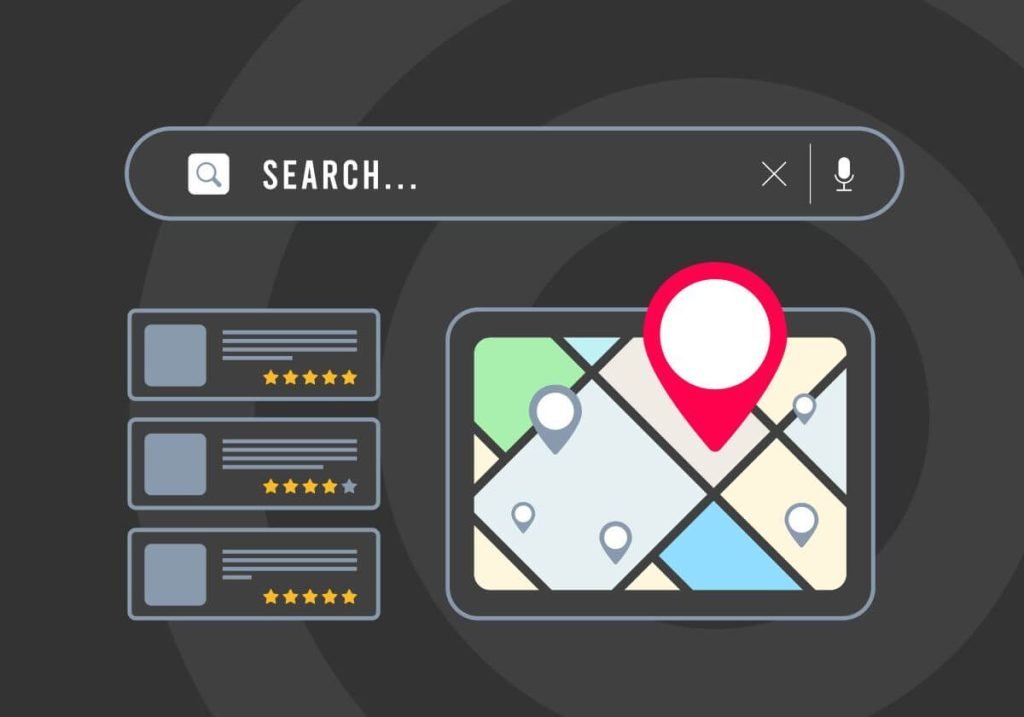
- Requires foot traffic and local visibility (get on google my business!)
Many customers still prefer physical stores for clothing, home goods, and gifts, particularly in market towns or neighbourhoods with strong community ties. But transport infrastructure is crucial, so either public transport or parking is needed.
Tip: You need to check you have an adequate level of shop insurance to protect your premises and stock.
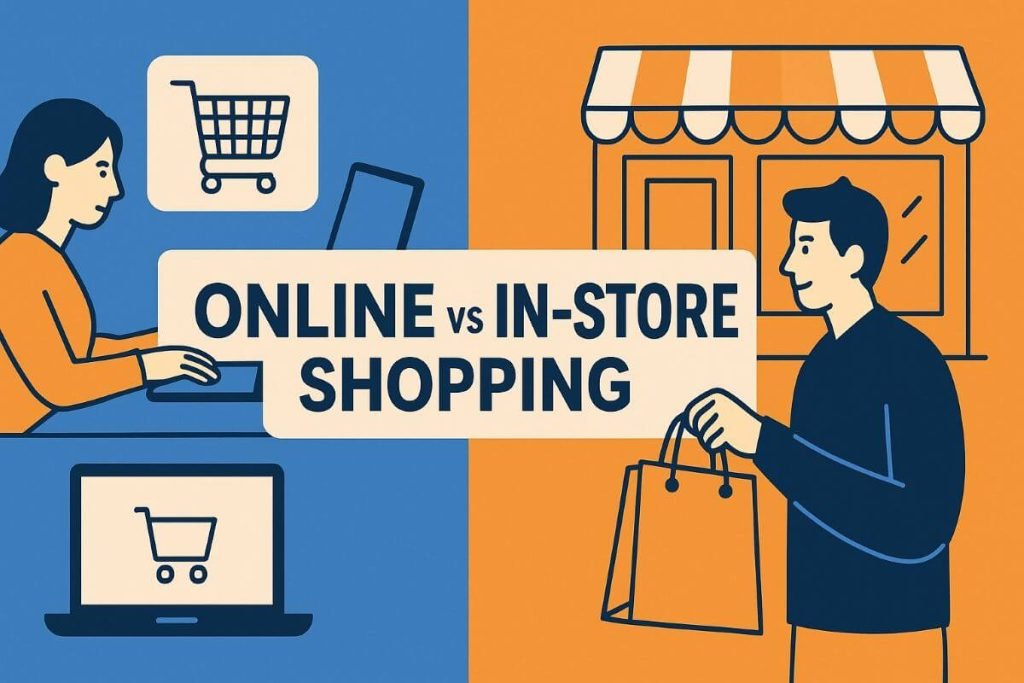
Which is Better for Your Business?
There’s no one-size-fits-all answer, it really depends on costs, location and product availability elsewhere. Many successful retailers adopt a hybrid retail model to get the advantage and benefits of both, blending online and in-store to offer flexible experiences for customers. For example, click-and-collect UK examples show that small shops can use digital tools to drive in-store visits and streamline operations.
Personally and professionally, if you have a store then I think a good ecommerce website is essential. You have the trusted brand already, and already pay to store the stock and have staff available to manage all aspects of delivery and customer services. You have also likely noticed a decline in business with increased internet use by your potential customers researching the product before making purchasing decisions. Even starting with online marketplaces is a start.
If you are planning a new business start up, then while the long term aim should be the omni-channel presence, you might find it easier to take one step at a time, especially on limited resources. Just remember in both cases advertising and marketing is key to getting traffic, and store location matters. And quality products at the right price point is the evergreen method to success.
Either way, the aim should always be high omni channel brand presence. In my opinion retail stores carry risk with leases and business rates being a drain until the foothold is made with awareness. But the same applies with websites that can cost a lot of money to look amazing, but get no traffic.
I just think it’s good business sense to master one first, and then reinvest the profit to launch the other.
Real-World Examples: UK Retailers Blending Online and Offline
Waterstones: Omnichannel with a Local Feel
The high street bookseller blends e-commerce with local stock tracking and in-store events. Their Oxford branch hosts readings and click-and-collect orders, reinforcing their reputation as a trusted community hub.
Oliver Bonas: POS Integration
This lifestyle brand uses POS to align their 80+ UK stores with online transactions, offering seamless returns, in-store browsing and loyalty tracking.
Oxford Independent Retailers: Local Click-and-Collect Success
Retailers like Truck Store Oxford and indie gift shops in Jericho and Cowley Road use Instagram Stories or Shopify’s pickup tools to promote flash collections and reduce delivery costs, while keeping loyal customers coming through the door.
Cook: Hybrid Logistics
Kent-based Cook combines a robust e-commerce platform with local delivery and loyalty schemes, including in Oxford and Banbury locations.
Bridging the Gap: Tools That Connect Online and Offline Retail
Retailers looking to unify channels can now do so affordably and easily with modern retail software:
- Shopify POS: A point-of-sale system that syncs online and in-store sales, tracks inventory, and creates a single customer view. Please note, this is not an advert for Shopify websites, it’s actually very slow for the user and the costs build up fast. They are just an example of what is available but better options are out there.
- Click-and-Collect Tools: Shopify, Square and even Instagram Shops now offer built-in local pickup features.
- Loyalty Platforms: Tools like Yotpo or Square Loyalty let you reward customers across both digital and physical touchpoints.
- Local Delivery Services: Royal Mail’s Local Collect or Uber Direct allow independents to offer same-day or next-day delivery without building their own logistics.
Accessibility Matters: Meeting Diverse Customer Needs
While younger shoppers often prefer the speed and convenience of e-commerce, older adults and some neurodivergent customers may prefer slower-paced, in-store shopping that offers more personal service. Ensuring your business accommodates both groups for purchases is not just inclusive, it’s commercially wise.
Offering both digital access and physical options increases your reach across all demographics in Oxfordshire and beyond.
Final Thoughts: A Resilient Retail Future for Online vs In-Store Shopping
Whether you’re a start up in East Oxford or an established high street shop in Abingdon, combining the best of online and in-store approaches gives you the agility to serve more customers, more effectively.
Invest in what aligns with your capabilities and customer preferences, but don’t be afraid to experiment. In today’s climate, resilience often comes from adapting your retail strategy to suit both convenience and community.














