Struggling to drift off at night or waking up groggy after a full night’s kip? You’re not alone. Sleep anxiety is becoming a big issue in 2025, driven by digital dependency and economic stress. It’s affecting millions, especially younger generations, with nearly 40% of Gen Z reporting frequent sleep-related worries.
And it’s not just the young who should be concerned, recent studies have highlighted the critical role of sleep in brain health too. Research indicates that poor sleep quality in older adults can disrupt the brain’s glymphatic system, a waste clearance pathway, potentially increasing the risk of memory issues and neurodegenerative diseases like Alzheimer’s and dementia.
The good news? You don’t need to overhaul your lifestyle to sleep better, just our self-help guide to improve your sleep. Small, consistent changes can make a big difference to your wellbeing. Here are six science-backed sleep tips to help you wake up feeling refreshed, no sleep apps or medication required.

Creating a Sleep-Friendly Bedroom
Your bedroom needs to be a sleep sanctuary; calm, quiet and comfortable and a place of pure rest and relaxation. Your body and mind need to associate it with rest.
Here’s how to make it more sleep-friendly:
- Invest in your bed, you (hopefully) spend more time on it than your sofa so comfort is paramount. A new mattress can drastically improve your sleep quality If yours is over 8 years old or feels lumpy, it could be disrupting your sleep posture. Look for one that suits your weight, sleep style and preferences leading to less tossing and turning.
- Block light and noise. Blackout curtains and earplugs or a white noise machine can help minimise interruptions and ensure darkness.
- Keep it cool. The ideal bedroom temperature is around 16–18°C. A fan or breathable bedding can make a big difference during summer months to create an atmosphere conducive to sleep.
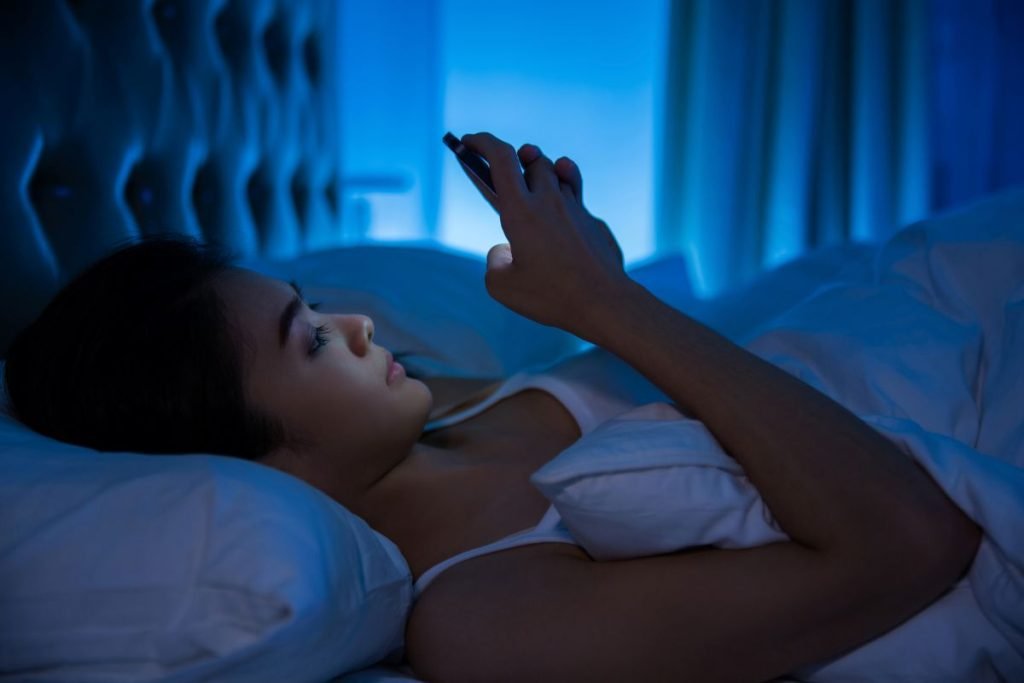
Limiting Screen Time Before Bed
Scrolling TikTok at 11pm to unwind and distract yourself from your day? You’re not doing your sleep any favours. Our eyes react to different types of light. And blue light from phones, tablets and TVs interferes with your body’s natural production of melatonin which is the sleep hormone. The closer to bedtime you use screens, the more difficult it becomes to drift off.
Try this instead:
- Try setting a ‘no screens’ rule at least 30 minutes before you go to bed. Even better don’t start to avoid needing to break that doomscrolling cycle. This also applies to addictive TV series than end episodes with cliff-hangers.
- Read a book, try light stretching, or listen to calming music or a podcast.
- Enable ‘night mode’ on your phone in the evenings to reduce blue light exposure.
These steps signal to your brain that it’s time to wind down, making it easier to drift off when you finally lie down.

Stick to a Consistent Sleep Schedule
Humans are creatures of habit and our bodies thrive on routine, and a consistent circadian rhythm should include seven to nine hours of sleep at night. But going to bed and waking up at roughly the same time each day, even on weekends, is the key to better sleep as it helps regulate your internal body clock.
Top tip: Set an alarm for bedtime, not just for waking up. This can act as a reminder to start your wind-down routine. You can set a sleep schedule on most mobiles to not only remind you but put your phone into silent mode which is fantastic.
Over time, your body will naturally start to feel sleepy around the same time every night, making falling asleep feel effortless and leading to deeper, more restorative rest.
Avoid Food and Drinks that Disrupt Sleep
It’s not just coffee that keeps us awake. Several everyday habits can make it harder to fall or stay asleep.
Avoid before bed:
- Caffeine: Found in tea, coffee, cola, chocolate and even some painkillers, is proven to alter sleep electroencephalography (EEG) levels. Avoid it after 2–3pm as it stays in your system. If you want a hot drink, camomile tea is a good choice.
- Alcohol: Might help you nod off, but often disrupts the quality of sleep later in the night.
- Heavy meals can do the same: Eating a large dinner close to bedtime can cause indigestion and discomfort. I can’t imagine anyone gets a good nights sleep after a takeaway pizza.
If you’re peckish before bed, go for a light snack like a banana, some plain crackers, or a small glass of warm milk.

Don’t Skip the Exercise
Regular physical activity is one of the simplest, most natural ways to improve your sleep. Studies show that moderate aerobic exercise (like walking, cycling or swimming) can help you fall asleep faster and enjoy deeper, more restorative sleep.
How it helps:
- Regulates your body clock, especially if done in the morning or early afternoon
- Reduces stress and anxiety, both common causes of disrupted sleep
- Improves slow-wave (deep) sleep, the most physically restorative stage
Top tip: Avoid vigorous workouts too close to bedtime, as they can temporarily raise your heart rate and body temperature, making it harder to wind down. Try to finish exercising at least 2–3 hours before bed.
Even a daily 20-minute walk or light jog around the block can contribute to better rest, no gym required. These can also be excellent tools if you have things on your mind troubling you.
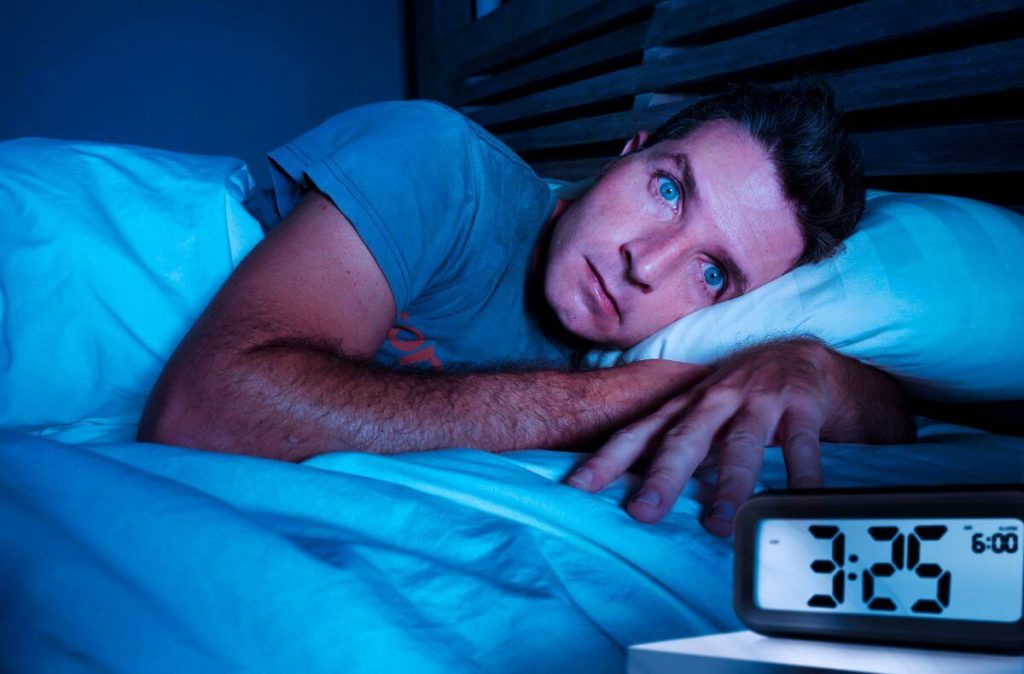
Managing Stress to Sleep Better
Talking of which, stress and anxiety are common sleep thieves, and have long been the cause of my personal battle with insomnia due to my over-active mind. When your brain is racing with worries, your body produces more cortisol (the stress hormone), which can keep you alert and prevent you from entering deep, restful sleep.
What you can do:
- Wind down properly: Develop a calming pre-bed routine. You could try warm baths, herbal tea, journaling, or gentle breathing exercises. I find this particularly useful for when I suffer from bouts of intrusive thoughts.
- Mindfulness and meditation: Apps like Headspace or Calm offer short guided sessions that are especially helpful at night. This does contradict avoiding blue light, but the aim is to get to that deep sleep stage.
- Don’t bottle it up: If something’s bothering you, jot it down earlier in the evening so you’re not mulling it over at bedtime.
- Balance negative worries with positive thoughts, logic, and deep breathing to get to sleep. Easier said than done if you carry work stress or money concerns, but the cycle exacerbates the longer you go without quality sleep and worrying solves nothing.
Seek support: If stress or anxiety is affecting your sleep regularly, speak to a GP or mental health professional. The NHS has free talking therapy options in England you can self-refer to.
Did you know?
Chronic stress can interfere with the balance of your sleep cycles, reducing REM sleep and increasing night-time awakenings. Read our article on tips to manage stress if it’s impacting your sleeping.
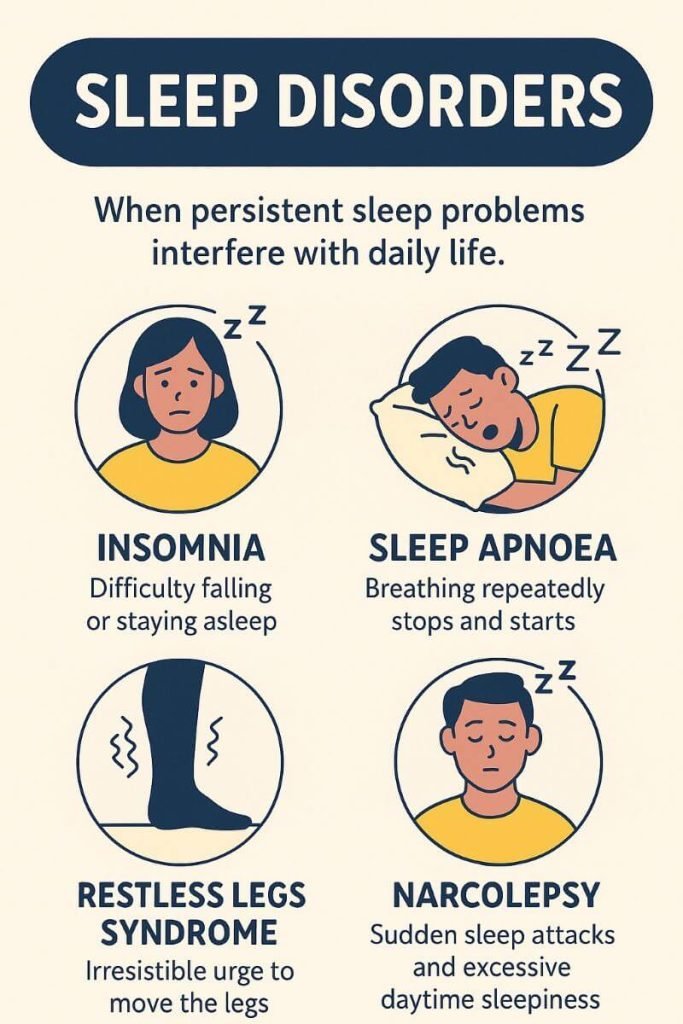
Sleep Disorders: When to Seek Help
If you’ve tried healthy sleep habits and still struggle, you might be dealing with a sleep disorder. Common ones include:
- Insomnia: Persistent trouble falling or staying asleep.
- Sleep apnoea: Interrupted breathing during sleep, often accompanied by loud snoring.
- Restless legs syndrome: An uncontrollable urge to move your legs, often at night.
These can impact your overall health and quality of life. If sleep issues persist for more than a few weeks, speak to your GP or a sleep specialist.
Quick-Reference Sleep Checklist
| Tip | Why It Helps |
|---|---|
| Make your bedroom dark, cool and quiet | Encourages melatonin production and reduces wake-ups |
| Avoid screens 30 mins before bed | Helps your brain wind down naturally |
| Set a regular sleep and wake time | Trains your internal body clock |
| Cut caffeine and alcohol in the evening | Prevents disrupted, shallow sleep |
| Exercise regularly | Improves sleep quality and helps you fall asleep faster |
| Manage stress and anxiety | Reduces racing thoughts and promotes deeper, more restorative sleep |
The Science of Sleep: Understanding Sleep Cycles
Sleep is a dynamic and essential biological process, comprising multiple stages that our bodies cycle through each night. These stages are broadly categorized into Non-Rapid Eye Movement (NREM) sleep and Rapid Eye Movement (REM) sleep.
NREM Sleep
NREM sleep consists of three stages:
- Stage 1 (N1): This is the lightest stage of sleep, marking the transition from wakefulness to sleep. It typically lasts 1 to 7 minutes, during which muscle activity slows, and occasional muscle twitches may occur .
- Stage 2 (N2): Representing the onset of true sleep, this stage lasts approximately 10 to 25 minutes. Heart rate and body temperature decrease, and the body becomes less responsive to external stimuli. Sleep spindles and K-complexes, which are specific brain wave patterns, occur during this stage and are believed to play a role in memory consolidation .
- Stage 3 (N3): Also known as deep sleep or slow-wave sleep, this stage is crucial for physical restoration, tissue repair, and immune system strengthening. It typically lasts 20 to 40 minutes and is most prominent in the first half of the night .
REM Sleep
REM sleep occurs about 90 minutes after falling asleep and is characterized by rapid eye movements, increased brain activity, and vivid dreaming. During this stage, the brain processes and consolidates memories and emotions. REM sleep episodes lengthen with each sleep cycle, and adults typically spend about 20–25% of their total sleep time in REM sleep .
Sleep Cycles
A complete sleep cycle, encompassing all NREM and REM stages, lasts approximately 90 to 110 minutes. Most individuals experience four to six cycles per night. Disruptions to these cycles, such as waking up during deep sleep, can lead to grogginess and impaired cognitive function .
Understanding these sleep stages and cycles underscores the importance of maintaining consistent sleep patterns and creating an environment conducive to uninterrupted sleep. If sleep disturbances persist, it’s advisable to consult a healthcare professional for further evaluation and guidance.
Commonly asked questions relating to sleep
What is the ideal amount of sleep for adults?
Most adults need between 7 to 9 hours of sleep per night. However, individual needs can vary depending on age, lifestyle, and health.
Can a poor sleep routine affect my mental health?
Yes, studies show that sleep deprivation is linked to increased risk of anxiety, depression, and memory problems. Inadequate rest can also affect decision-making, mood, and concentration.
How long before bed should I stop using screens?
It’s recommended to avoid screens at least 30–60 minutes before bedtime to improve your sleep quality, as blue light can suppress melatonin and make it harder to fall asleep.
Is it bad to nap during the day?
Short naps (10–20 minutes) can boost alertness and energy. But long or late-day naps may disrupt your night-time sleep, especially if you struggle with insomnia.
What is the best room temperature for sleep?
Experts suggest keeping your bedroom between 16–18°C (60–65°F). A cool environment helps trigger the body’s natural sleep cycle.
When should I see a doctor about sleep problems?
If you have trouble sleeping more than three nights a week for several weeks, or if lack of sleep is affecting your daily life, speak to your GP. Conditions like insomnia or sleep apnoea may need specialist support.
Can exercise help with sleep problems?
Yes. Regular physical activity, especially moderate aerobic exercise, has been shown to improve sleep quality, reduce stress, and help with falling asleep faster. Just avoid intense workouts right before bed.
Does caffeine really affect sleep, and how long does it stay in your system?
Yes, caffeine is a well-known stimulant that can significantly impact your ability to fall asleep and the quality of your sleep. It works by blocking adenosine, a natural chemical in your brain that promotes sleepiness.
Research shows that caffeine can stay in your system for up to 6–8 hours, meaning a cup of coffee in the late afternoon could still be affecting your sleep well into the night.
What types of drinks and foods contain caffeine?
- Caffeine isn’t just in coffee. It’s also found in:
- Tea (including green and black varieties)
- Energy drinks
- Soft drinks like cola
- Dark chocolate
- Certain painkillers and cold medicines
Why does my body ache when I wake up?
There are a few potential reasons, including poor sleep posture, inflammation, lack of movement, dehydration, overexertion in exercise, but also potentially underlying health conditions like viral infections. If it’s in your joints it could be arthritis or fibromyalgia (the latter is a chronic condition of widespread pain and tenderness throughout the body, often accompanied by fatigue and sleep disturbances).
What you can do: Use a supportive mattress and pillow, hydrate properly, stretch before and after sleep, and consult a GP if symptoms persist or worsen.