

















Oxford is taking a significant step towards improving air quality by expanding its Smoke Control Area (SCA) to cover the entire city, effective from 1 December 2024. Smoke Control Areas aim to reduce the amount of smoke that is produced from wood burners and open fires, which is the main source of indoor air pollution and harmful particulate pollution in Oxford.
The new area covers all of Oxford, as far as New Botley to the East, Blackbird Leys to the South, Cuttlesmore to the North, and Sandhills to the West.
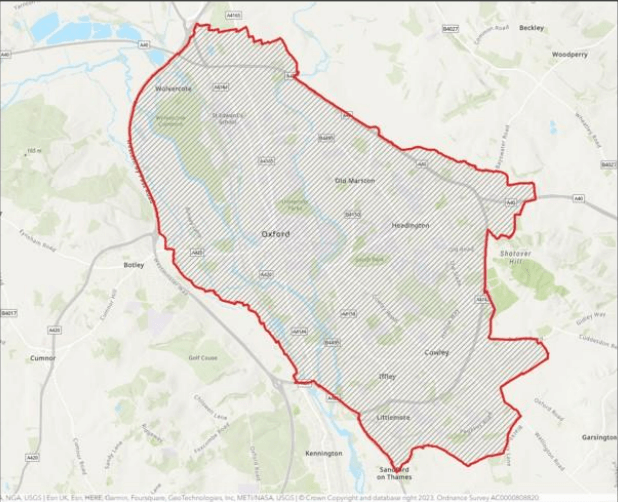
Here’s everything you need to know about the new regulations, their benefits, and what this means for residents and businesses across Oxford.
A Brief History of Smoke Control in Oxford
Oxford’s first Smoke Control Area was introduced in 1958, following the Great Smog of London in 1952, which tragically caused approximately 12,000 deaths. Until now, the city was covered by a patchwork of 23 separate SCAs, accounting for only 48% of Oxford’s area. In May 2023, the Secretary of State approved a proposal to unify these zones under a single, city-wide Smoke Control Area to ensure comprehensive protection against air pollution.
What is a Smoke Control Area?
A Smoke Control Area is a legally designated zone where restrictions are placed on emissions from chimneys to reduce air pollution. Under the expanded SCA rules:
- Appliance Requirements: Residents must use appliances that are included on the government’s list of exempt appliances.
- Fuel Restrictions: For non-exempt appliances or open fires, only authorised fuels such as anthracite, semi-anthracite, gas, or low volatile steam coal may be used.
- Chimneys and Wood Burners: The regulations do not ban the use of chimneys or wood-burning stoves but require them to comply with these fuel and appliance standards.
Exceptions:
- Houseboats are not included in the SCA.
- Outdoor barbecues, chimineas, pizza ovens, and garden fireplaces are exempt from the restrictions.
For those already living in parts of Oxford previously covered by an SCA, there will be no changes to current rules.
Impact on Businesses
Businesses selling wood or other solid fuels within the SCA must ensure they:
- Only sell authorised fuels or wood specifically for exempt appliances.
- Inform customers about compliance requirements.
Failure to adhere to these rules could result in significant fines.
Enforcement and Penalties
Oxford City Council will take a balanced approach to enforcement, prioritising education and support:
Education First: Following chimney smoke complaints, the Council will educate residents and businesses on compliance and efficiency.
Support for Fuel Poverty: Eligible households may receive grant funding to transition to compliant appliances or fuels.
Fines for Non-Compliance:
- A fine of up to £300 for visible smoke emissions from non-compliant appliances.
- A fine of up to £1,000 for selling or purchasing unauthorised fuel for non-exempt appliances.
Why Does This Matter?
Fine particulate matter (PM2.5), often generated by burning solid fuels, is one of the most harmful forms of air pollution. It can cause respiratory issues, cardiovascular problems, and other serious health conditions. The expansion of the SCA aims to:
- Protect Public Health: By reducing exposure to harmful emissions.
- Combat Climate Change: By discouraging the use of inefficient and high-emission fuels.
- Create Cleaner Air for All: Ensuring that every resident benefits from reduced pollution levels.
How to Comply
To ensure you’re following the rules:
- Check Your Appliance: Verify whether your wood burner or stove is an exempt appliance by visiting the government’s official list.
- Use Authorised Fuels: Purchase only authorised fuels, such as smokeless coal or seasoned wood, to ensure compliance.
- Maintain Appliances: Regularly clean and service your stove or burner to maximise efficiency and reduce emissions.
For a full list of authorised fuels and exempt appliances, visit the Oxford City Council Smoke Control Areas page.
Financial Support
The Council recognises the financial burden this change may pose for some households. Support includes:
- Grants and Funding: Eligible residents can apply for financial assistance to upgrade to compliant appliances or switch to cleaner fuels.
- Energy Efficiency Advice: Information on improving energy efficiency to reduce costs while staying compliant.
A Comment from the Council
Councillor Anna Railton, Deputy Leader and Cabinet Member for Zero Carbon Oxford, said:
“Fine particulate pollution from smoke poses serious health risks, and tackling it is crucial for public health. Until now, Oxford’s Smoke Control Areas covered only 48% of the city, leaving gaps in protection. From 1 December, we’re unifying the city under a single Smoke Control Area, ensuring every part of Oxford benefits from improved safeguards against harmful pollution.”
Benefits of the Expanded Smoke Control Area
- Improved Air Quality: Cleaner air for all residents, reducing health risks.
- Environmental Protection: Supporting Oxford’s goal of becoming a zero-carbon city by 2040.
- Community Awareness: Educating residents and businesses about sustainable practices.
Conclusion
Oxford’s city-wide Smoke Control Area is a vital step towards a cleaner, healthier future. By embracing these changes, residents and businesses can play an active role in reducing pollution and safeguarding public health.
With a focus on education, support, and compliance, this initiative offers the opportunity to improve air quality and make Oxford a greener, more sustainable city for generations to come.
For more information, visit the Oxford City Council Smoke Control Areas page.














