

















The Story Museum in Oxford has launched 1001 Stories, a new free online resource bringing together classic and contemporary tales, author-led recommendations and creative activities for families, teachers and young people.
The website, supported by the National Lottery Heritage Fund, has been launched during the National Year of Reading and is designed to make “great stories to grow up with” easier to find, share and explore — whether at home or in the classroom.
The museum says the platform will act as a “digital treasure chest”, growing over time and linking storytelling in its broadest sense: books, oral stories, poetry and creative responses from children and teenagers.
The new resource features writers including Katherine Rundell, Joseph Coelho, Caz Lester and Wendy Shearer, alongside a collection of well-known classics such as Alice in Wonderland and The Chronicles of Narnia.
Each title includes a synopsis and links to supporting material, which may include an audio recording of a story, lesson plans, ideas for activities at home, or ways to explore a book or author further. The site also includes children’s creative responses (such as zines, podcasts and book reviews) and, where relevant, links back to objects and displays in the physical museum.
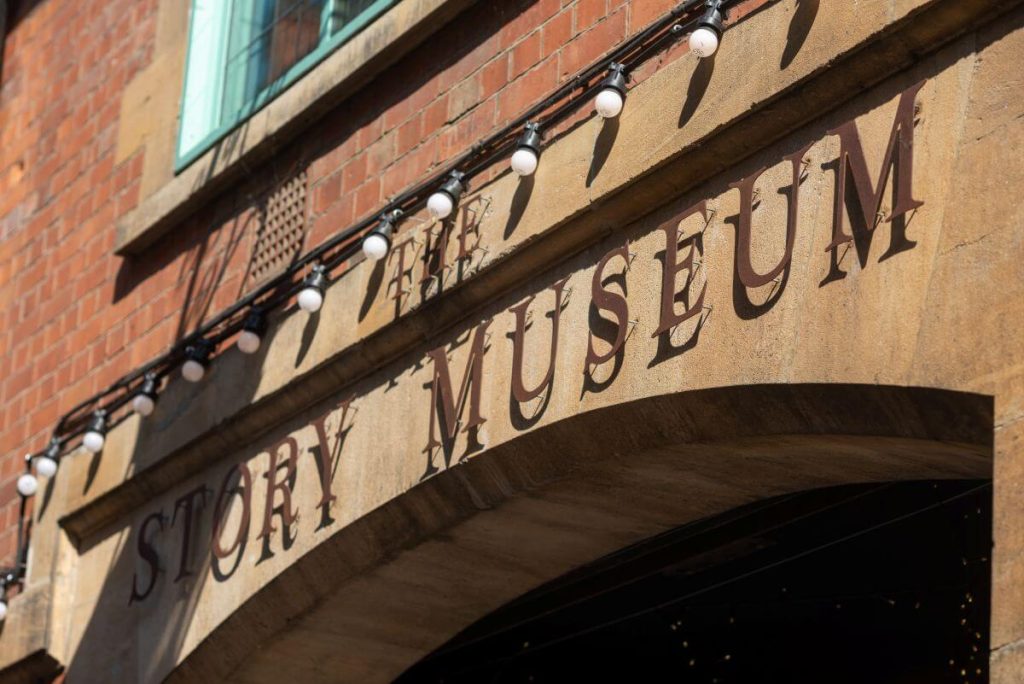
Conrad Bodman, chief executive of The Story Museum, said the aim was to broaden access beyond those able to visit in person.
“1001 Stories showcases our collection of great stories to grow up with,” he said. “We are excited to launch this rich new story resource that’s open to all and forms part of our contribution to this year’s National Year of Reading. With 1001 Stories, we want to ensure that every child in Oxfordshire and beyond can access the best of what The Story Museum has to offer.”
Stuart McLeod, Director of England – London & South at the National Lottery Heritage Fund, said:
“Stories are an important part of our shared heritage and this project will open up these treasured stories, making them accessible to all and preserving them for future generations.”
1001 Stories is now live at 1001stories.co.uk, and can also be accessed via storymuseum.org.uk.
How parents and teachers can use 1001 Stories
- Pick a story fast: use the summaries to choose a book for bedtime reading or a class read-aloud without spending an hour searching.
- Make reading social: use prompts and activities to turn a story into a shared conversation — helpful for children who don’t automatically see reading as “fun”.
- Support reluctant readers: try shorter texts, oral storytelling and creative responses (zines, podcasts, reviews) to build confidence without pressure.
- Use it in lessons: link story themes to writing tasks, drama, PSHE discussions or creative projects using the supporting resources.
- Connect digital to real-world visits: where stories link to museum objects, families can use the site to plan a visit or extend learning afterwards.
About The Story Museum (Oxford)
The Story Museum is based on Pembroke Street in central Oxford and hosts immersive exhibitions, gallery spaces, learning programmes and events exploring storytelling in all its forms. The museum says it will play a key role in Oxford’s contribution to the National Year of Reading, including the launch of 1001 Stories and future exhibitions.














