Butterfly numbers are plummeting, but a simple 15-minute action could help save them. Will the residents of Oxfordshire answer the call?
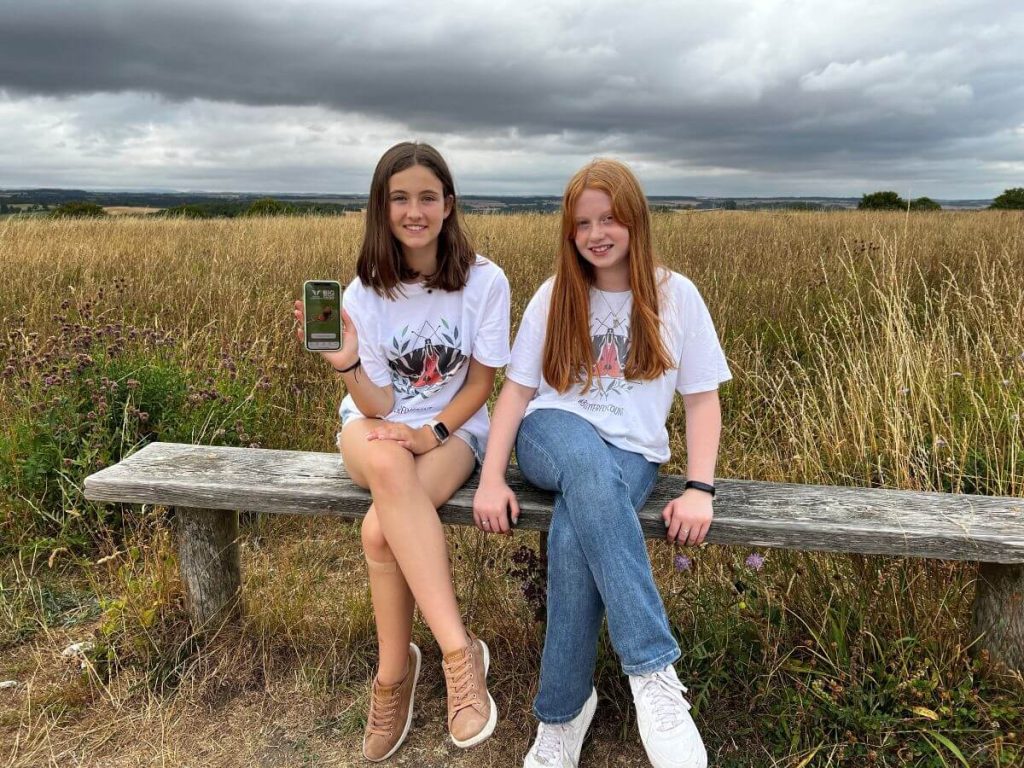
Oxonians are being urged to take part in a nationwide rescue mission for butterflies, after last year’s Big Butterfly Count revealed the lowest numbers in the survey’s history.
In 2024, local citizen scientists spotted just 17,690 butterflies and day-flying moths, sparking alarm bells for conservationists. Butterfly Conservation has now declared a “Butterfly Emergency”, and is calling on people across Oxfordshire to play their part this summer.
“If you do one thing for nature this year, get out for the Count this summer!”
Dr Richard Fox, Head of Science, Butterfly Conservation
What have the butterflies ever done for us?
Butterflies help pollinate wildflowers, gardens, and crops by transferring pollen as they feed on nectar. While not as efficient as bees, they still play a vital role in maintaining plant diversity and health, especially for species that bloom in the afternoon when bees are less active.
They are also a key part of the food chain in wildlife. Butterflies (and their caterpillars) are a critical food source for birds, bats, spiders, and other insects. Losing them disrupts the balance of nature and affects countless other species.
When butterflies thrive, ecosystems are usually healthy. When they struggle, it’s a warning sign. And since the 1970s, 80% of UK butterflies have declined, largely due to habitat loss, climate change and pesticide use. As sensitive indicators of ecosystem health, their decline is a sign that broader environmental problems are worsening.
“If we lose butterflies, we lose more than beauty, we lose balance in our ecosystems,” says Dr Fox. “This is a chance to turn curiosity into conservation and make a real difference.”
Oxfordshire’s Role
Last year in 2024, 2,828 Big Butterfly Counts were logged across the county. The Gatekeeper was Oxfordshire’s most frequently seen species, but numbers overall were worryingly low.
This summer, the charity is hoping for thousands more counts from the region to help map where species are thriving or struggling. But they need volunteers prepared to do some observation and monitor the butterfly population.
How to Take Part in the Big Butterfly Count
- When: Now until Saturday 10th August 2025
- Where: Any outdoor space; garden, park, footpath, even a balcony
- How: Spend 15 minutes counting butterflies and day-flying moths
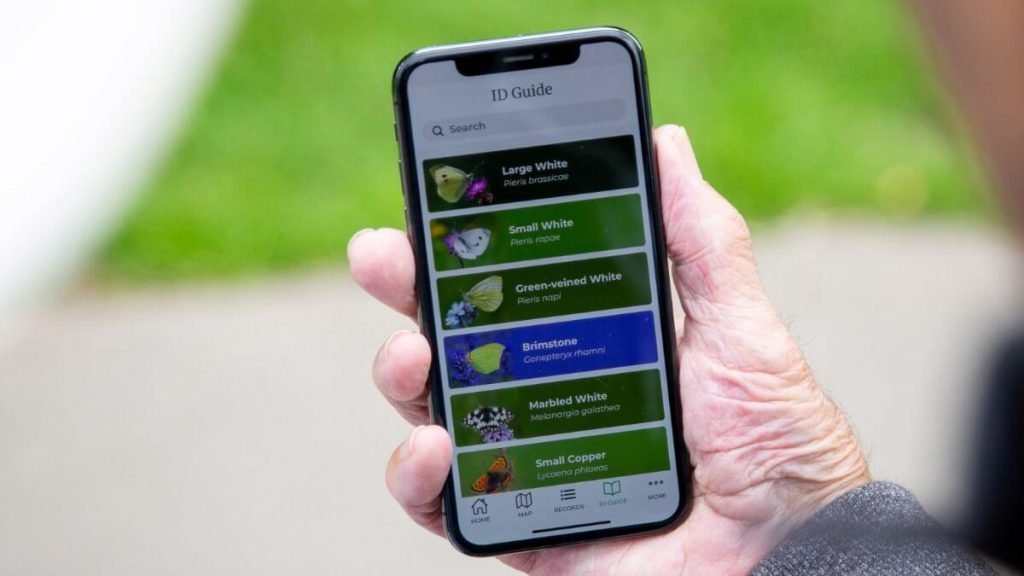
- Submit: Use the free Big Butterfly Count app or log sightings online
✅ No special equipment or experience needed, buy you can download a PDF with all butterflies
✅ Suitable for all ages, and FREE fun that helps the planet. Winner!
✅ Your sightings contribute to a live UK biodiversity map
How to Spot Butterflies Like a Pro
- Choose sunny days with little wind, butterflies love warmth!
- Visit wildflower areas, hedgerows, and sunny woodland edges.
- Stand still and be patient, butterflies are wary of movement.
- Use the Big Butterfly Count app to help identify and record species.
Did You Know?
- Butterflies are key pollinators and bioindicators
- UK butterfly species include the Red Admiral, Peacock, Common Blue, and Meadow Brown
- School groups, dog walkers, hikers, families and office workers are all encouraged to join in
Every Count Makes a Difference
“This isn’t just data collection, it’s standing up for nature,” says Butterfly Conservation. “Together, we can protect species and the habitats that sustain them.”
So whether you’re a seasoned naturalist or just looking for a peaceful moment in the garden, join thousands of others in Oxfordshire and across the UK this summer.
Because when butterflies thrive, so does the planet.
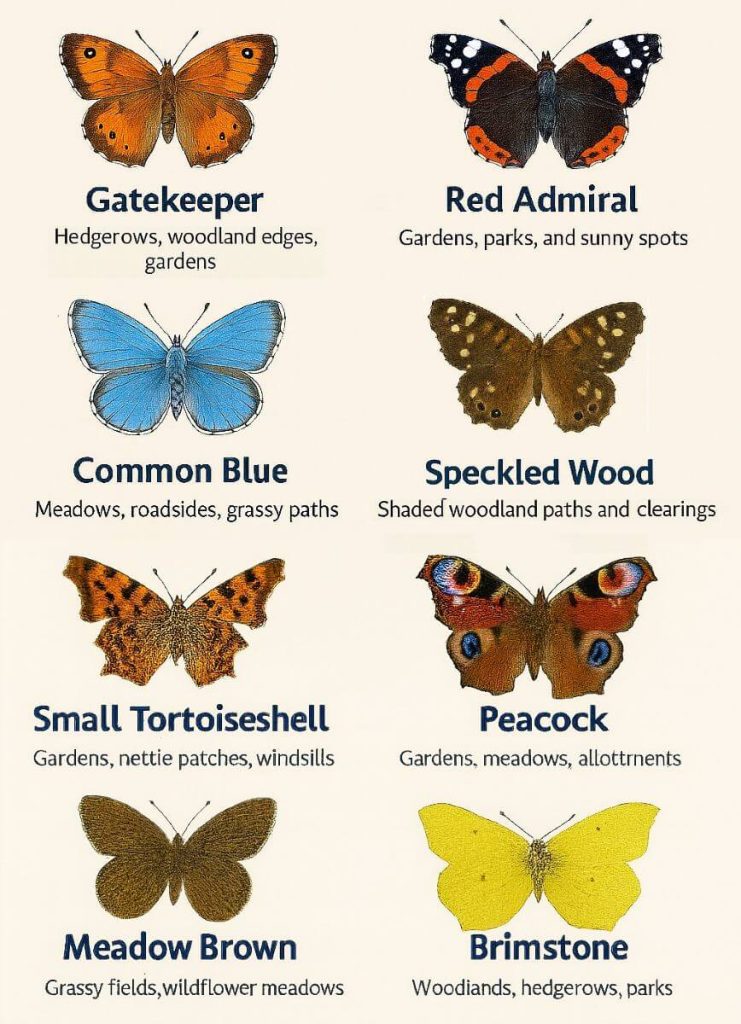
🦋 Beginner’s Guide to Butterflies in Oxfordshire & the UK
Whether you’re a budding citizen scientist or simply enjoying nature, learning to recognise a few common butterfly species can make your time outdoors even more rewarding. Here are some of the UK’s most frequently spotted butterflies, including a few you’re likely to see in Oxfordshire.
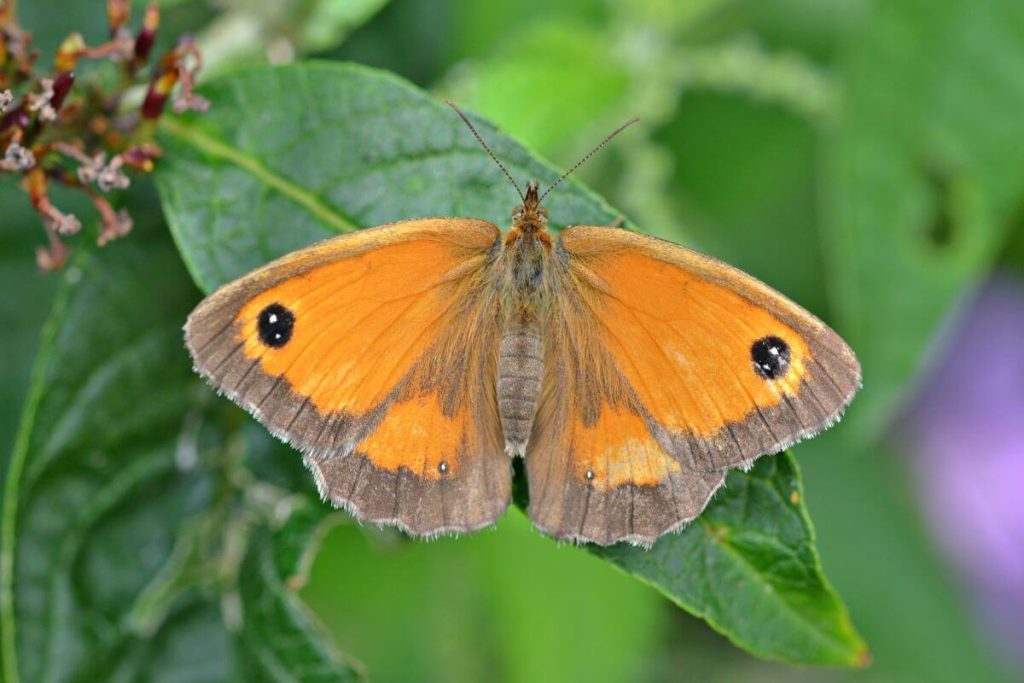
Gatekeeper
- When: July–August
- Where: Hedgerows, woodland edges, gardens
- ID Tip: Orange wings with dark brown edges and a small white spot inside the black eye spot on each forewing. Often seen flitting low through brambles.
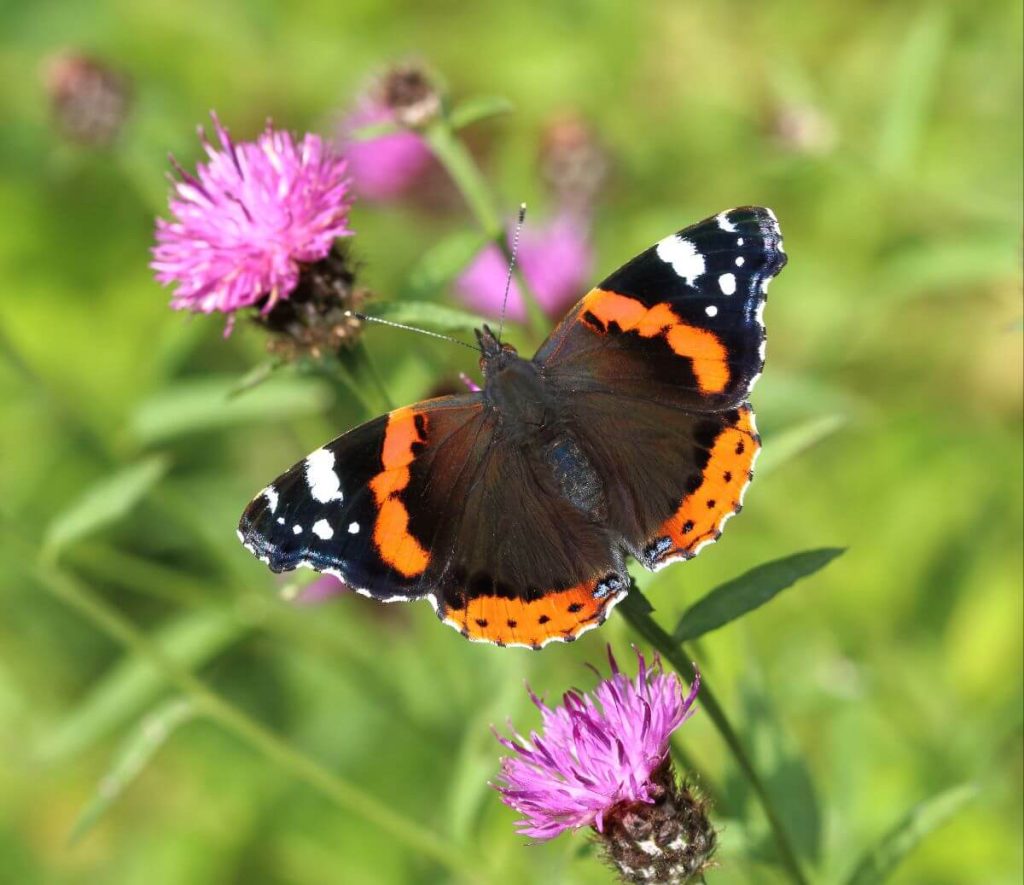
Red Admiral
- When: March–October (with peaks in summer)
- Where: Gardens, parks, and sunny spots
- ID Tip: Striking black wings with red bands and white spots. Confident and easy to approach.
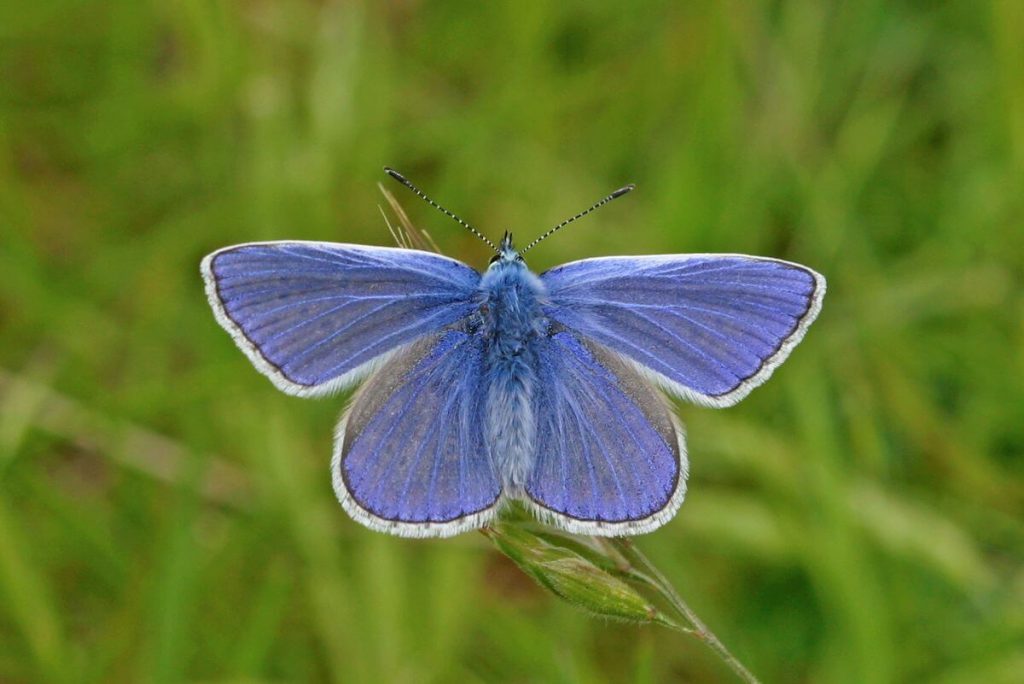
Common Blue
- When: May–October
- Where: Meadows, roadsides, grassy paths
- ID Tip: Males are a vivid sky-blue, while females are brown with orange and blue spots. Small and fast-moving.
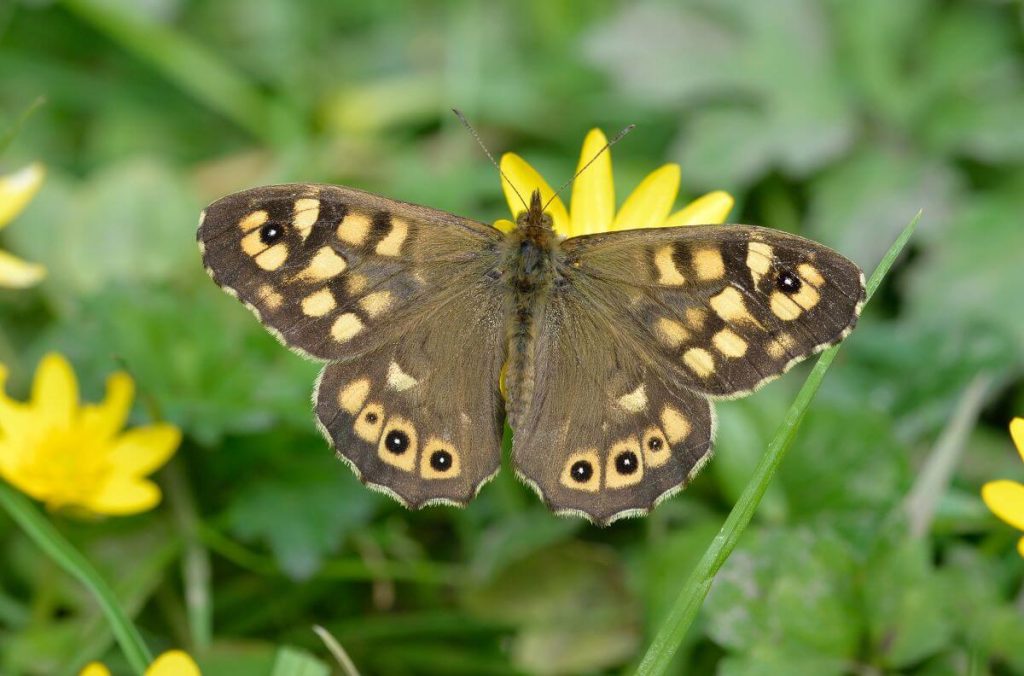
Speckled Wood
- When: April–October
- Where: Shaded woodland paths and clearings
- ID Tip: Brown with cream spots. Often basks in sunlight filtering through trees.
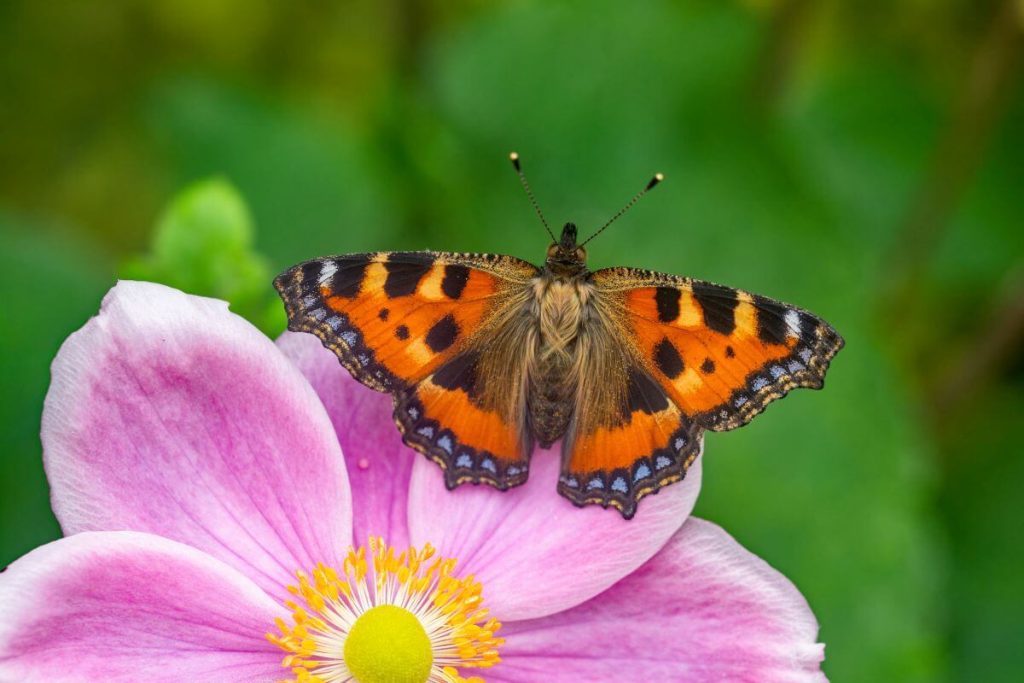
Small Tortoiseshell
- When: March–September
- Where: Gardens, nettle patches, window sills
- ID Tip: Bright orange with black and yellow spots and a blue edge. Often seen sunbathing on walls.
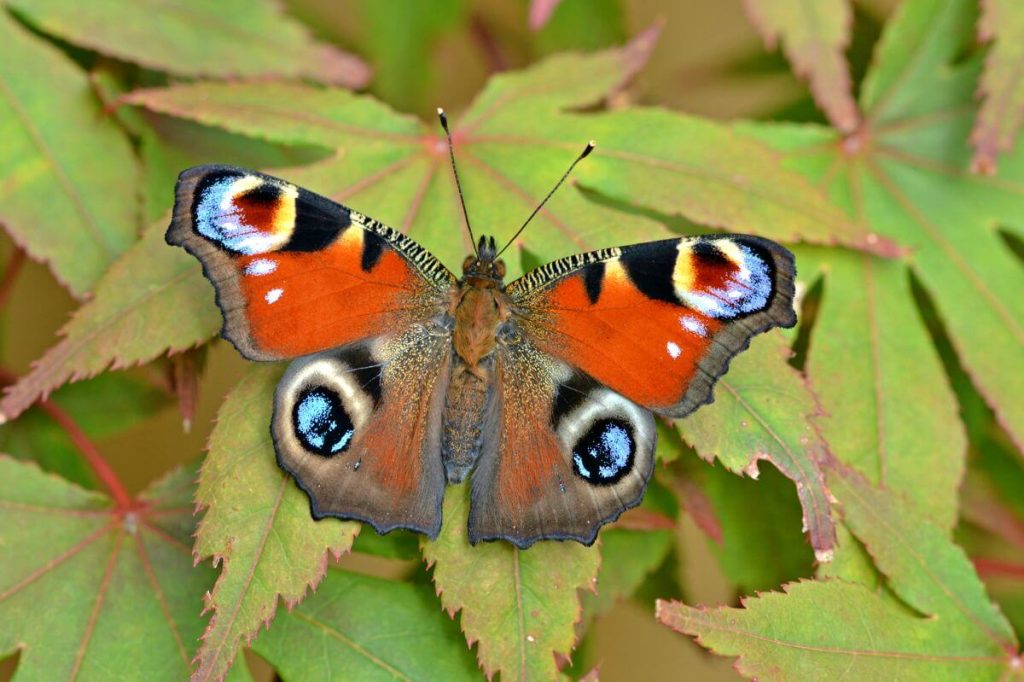
Peacock
- When: March–September
- Where: Gardens, meadows, allotments
- ID Tip: Large and dramatic with eye-like markings on all four wings. May appear suddenly from undergrowth.
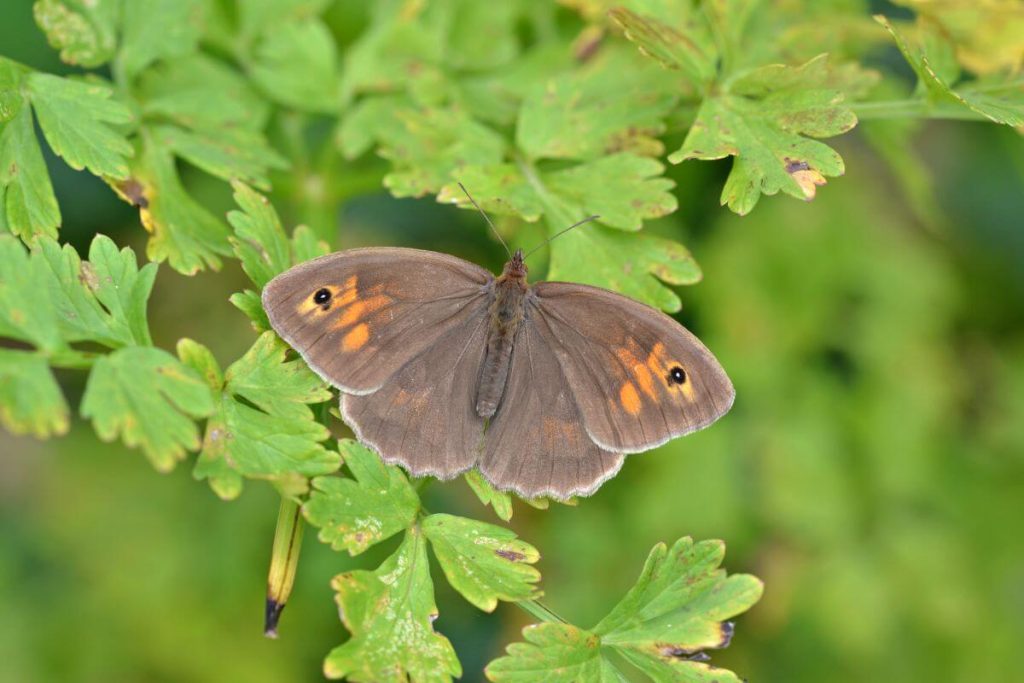
Meadow Brown
- When: June–September
- Where: Grassy fields, wildflower meadows
- ID Tip: Brown with orange patches on the forewings and a single black eye spot. Subtle but very common.
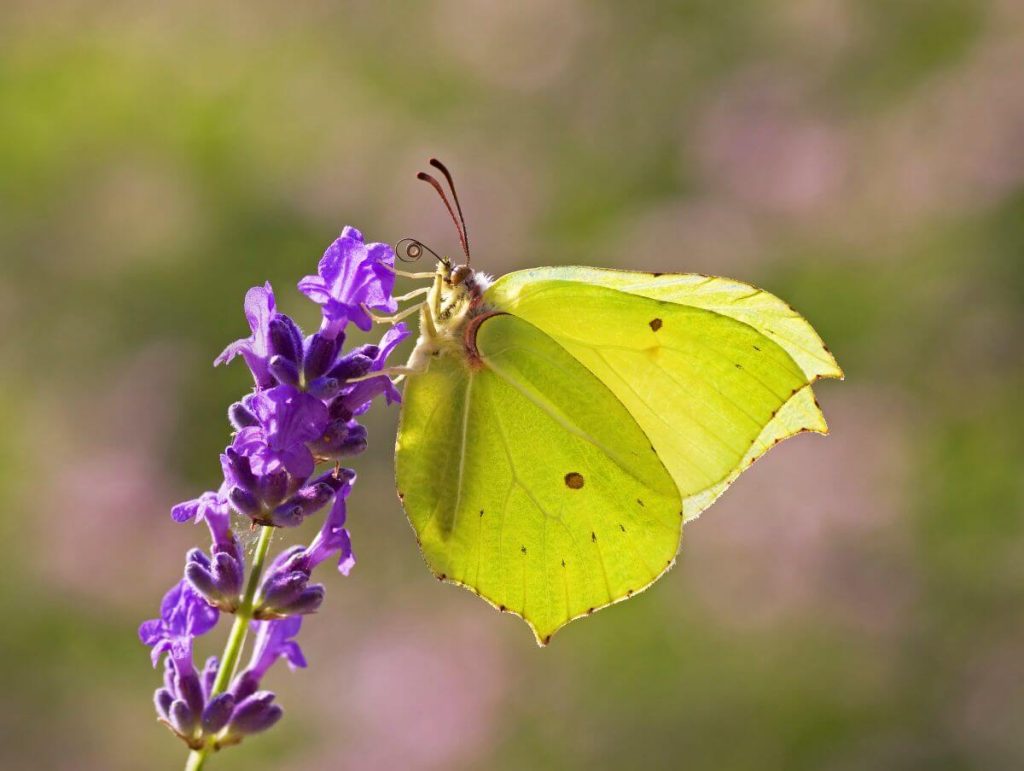
Brimstone
- When: February–October
- Where: Woodlands, hedgerows, parks
- ID Tip: Males are bright lemon-yellow; females pale greenish-white. One of the earliest to emerge in spring.
Butterfly Fun Facts
- Butterflies taste with their feet.
- Their wings are made of tiny overlapping scales.
- They’re cold-blooded and need sunlight to fly.
- Some species, like the Painted Lady, migrate thousands of miles to the UK.