Sustainable school travel is increasingly becoming a focus for schools across Oxfordshire. With growing concerns about environmental impact and the health benefits of reducing car usage, many educational institutions are looking for ways to promote greener travel habits among their students.
This insightful guide explores various initiatives that Oxfordshire schools are adopting to encourage sustainable travel, demonstrating that eco-friendly practices can be effectively integrated into daily school life.

Encouraging Active Travel: Walking and Cycling
One fundamental approach to enhancing sustainable travel in Oxfordshire schools is by promoting alternative active modes of transport, namely walking and cycling. This initiative presents a dual benefit: reducing environmental impact through decreased vehicle usage and improving students’ physical health and well-being.
And this is the point of the 15 minute city, where everything we need is in close proximity. For walking, the concept of ‘walking buses’ has been gaining traction. This involves groups of children walking to school in the company of one or several adults, following a set route with designated ‘bus stops’ to pick up additional students.
This initiative’s safety and social aspects are crucial, as they ensure that children arrive at school safely and promote a sense of community and belonging among the participants. Plus it’s a healthy start to the day, with socialising aspects to help build friendships, and opportunities to teach traffic awareness and safety.
Cycling, on the other hand, offers a slightly different set of advantages. Schools are increasingly installing secure bike racks and running cycling proficiency workshops to make this a viable option. These workshops impart essential road safety skills and build confidence among young cyclists.
Furthermore, there’s potential for schools to work collaboratively with local councils to enhance cycling infrastructure, making routes to school safer and more appealing. But understandable, children of nursery or primary school age, or anyone with a disability may find this more of a challenge.

Comprehensive School Travel Plans
Developing a detailed school travel plan is a strategic way to address the issue of sustainable travel. This plan requires a thorough assessment of the current transportation patterns of students and aims to identify practical, effective ways to make this eco-friendlier and reduce our carbon footprint.
The success of these plans hinges on the involvement of the entire school community – including students, parents, and staff. For instance, if a school discovers that a significant number of students live within a walkable distance but choose to travel by car due to safety concerns, the plan can focus on enhancing pedestrian safety measures.
Improvements might include better pedestrian crossings, increased adult supervision during peak times, or even community-led safety patrols. A reduction in petrol or diesel car use immediately reduces pollution.
Utilising Public Transport and Carpooling
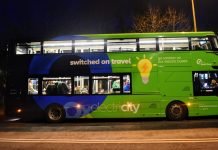
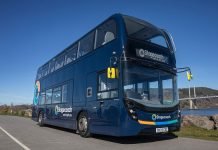
Public transport becomes an important sustainable option for students residing farther from school. Schools can play a pivotal role by liaising with local transport providers to ensure adequate and safe bus services catering to students’ needs. For instance, The Minibus Centre provides tried-and-trusted minibus leasing for schools, providing reliable and well-equipped vehicles that can ferry kids safely to and from the school.
Where public transport options are limited, schools could encourage a carpooling system. Organising a structured carpool system among parents can drastically reduce the number of vehicles on the road, thereby reducing traffic congestion and lowering carbon emissions.
Effective communication and organisation are key to making such a system work efficiently. With some discussion and strategy, eco friendly school transport options can be suggested and objections heard and understood. It’s important to give pupils a voice, not just parents and teachers.
Technology and Sustainable School Travel
In today’s digital age, technology can play a significant role in enhancing sustainable travel initiatives. Oxfordshire schools can harness various technological tools to make eco-friendly travel more accessible and appealing. For instance, apps that track walking or cycling routes and measure distance travelled can be used to encourage students. These apps can turn travel into a game, where students earn points or rewards for each mile they walk or cycle to school.
What’s more, schools can use technology to facilitate better planning and coordination of travel. For instance, carpooling apps can help parents organise shared rides more efficiently. Schools can also use online platforms to disseminate information about public transport schedules, safe routes for walking or cycling, and updates on local travel conditions.
By embracing technology, schools can not only promote sustainable travel but also educate students on the use of technology for environmental stewardship.
Role of Parents and Guardians in Promoting Sustainable Travel
Parents and guardians have a crucial role in the success of sustainable school travel initiatives. Their attitudes and actions can significantly influence their children’s travel choices.
Oxfordshire schools can engage with parents to foster a supportive environment for sustainable travel. This can involve organising workshops or information sessions highlighting sustainable travel’s benefits, both for the environment and children’s health.
Schools can also encourage parents to lead by example, such as by walking or cycling with their children to school, or by participating in carpool schemes. Additionally, involving parents in the planning and implementation of travel initiatives can ensure that these plans are realistic and address the concerns of families.
By actively involving parents, schools can create a community-wide commitment to sustainable travel, amplifying the impact of their initiatives.
Integrating Environmental Education
Education is a powerful tool in fostering a culture of sustainability. Schools have the unique opportunity to integrate environmental education into their curricula, teaching students about the environmental impacts of different transport modes and the benefits of sustainable alternatives. This can go beyond the classroom, involving practical activities such as school-led campaigns for clean air, environmental clubs, or projects focusing on active travel.
Educating students on these issues empowers them to make informed, environmentally conscious choices and can have a lasting impact on their future lifestyle decisions.
Implementing Incentive Schemes
To motivate students to adopt sustainable travel habits, incentive schemes can be highly effective. Oxfordshire schools could introduce reward programs for students who consistently use sustainable modes of transport.
These could include recognition in assemblies, badges, certificates, or even practical rewards like high-visibility jackets for walkers or cyclists. Such incentives not only encourage sustainable travel but also bring an element of fun and competition, making the idea more appealing to students.

Collaborating with Local Authorities
The success of sustainable transport initiatives often requires collaboration beyond the school gates, and we are lucky in Oxfordshire to have such a forward thinking councils with aims to be carbon neutral.
Schools can partner with local authorities to achieve more impactful results with sustainable education travel. Such collaborations can lead to improvements in local infrastructure, like safer walking and cycling paths, as well as support in developing and implementing comprehensive travel plans.
Local authorities can also assist in providing resources and expertise, making the initiatives more viable and effective.
Addressing Challenges and Finding Solutions
Adopting sustainable travel in schools is not without its challenges. One significant concern for parents is the safety of their children when using active modes of transport. Schools can address this concern by ensuring that access to their premises is well-lit, properly signposted, and maintained. Another challenge is the perceived convenience of car travel.
Schools need to find ways to make sustainable options as convenient and attractive as possible, which might include facilities like secure bike storage, covered walking paths for rainy days, or even adjustments in school timings to facilitate smoother travel.
Community Engagement and Support
The support of the wider community is vital in promoting sustainable school travel. Local businesses, residents, and community groups can contribute to creating a safer and more pleasant environment for students.
This might involve participating in volunteer-led walking buses, supporting campaigns for better cycling infrastructure, or providing resources for school-led initiatives.
Final Thoughts
There are numerous ways in which Oxfordshire schools can promote sustainable travel. From active travel initiatives to collaborating with local authorities and engaging the community, each approach is vital in fostering a greener, healthier environment.
As these initiatives evolve, their positive impact will extend beyond the school premises, benefitting the entire Oxfordshire community.