
















Did you know that the air inside your home could be more polluted than the air outside? Synthetic materials, household products, and lack of ventilation can contribute to Sick Building Syndrome, a condition where poor indoor air quality leads to headaches, allergies, and respiratory issues.
But what if the solution was as simple as adding a few indoor plants to look nice and clean the air for you? Well thanks to NASA’s hard work, we can confirm the 7 best air purifying plants are:
- Bamboo Palm – Best for removing formaldehyde
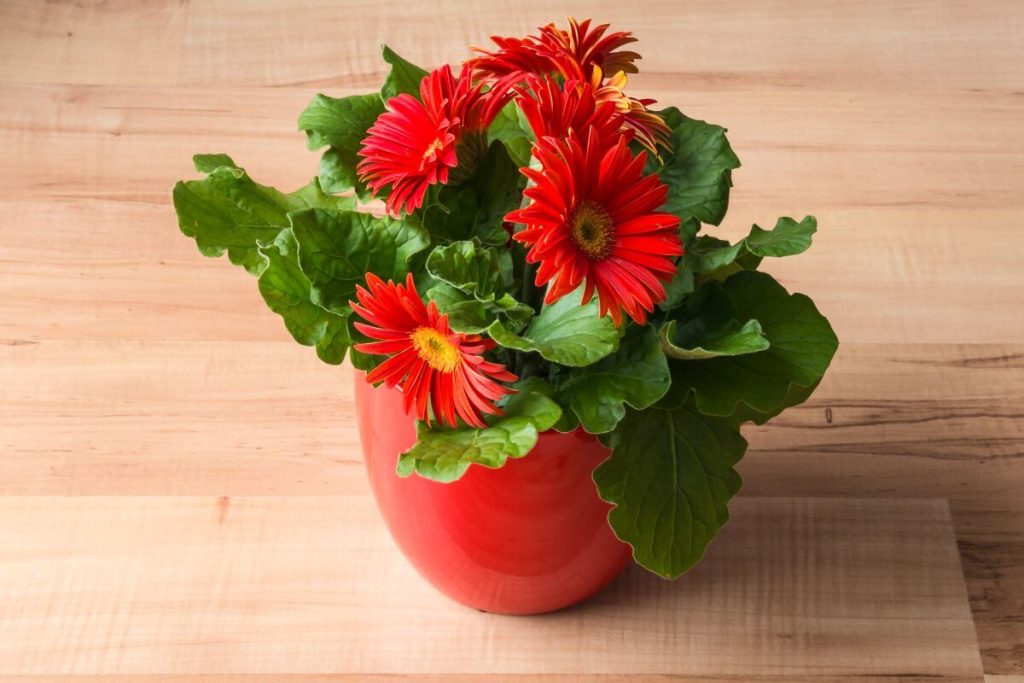
- Gerbera Daisy – Best all-rounder
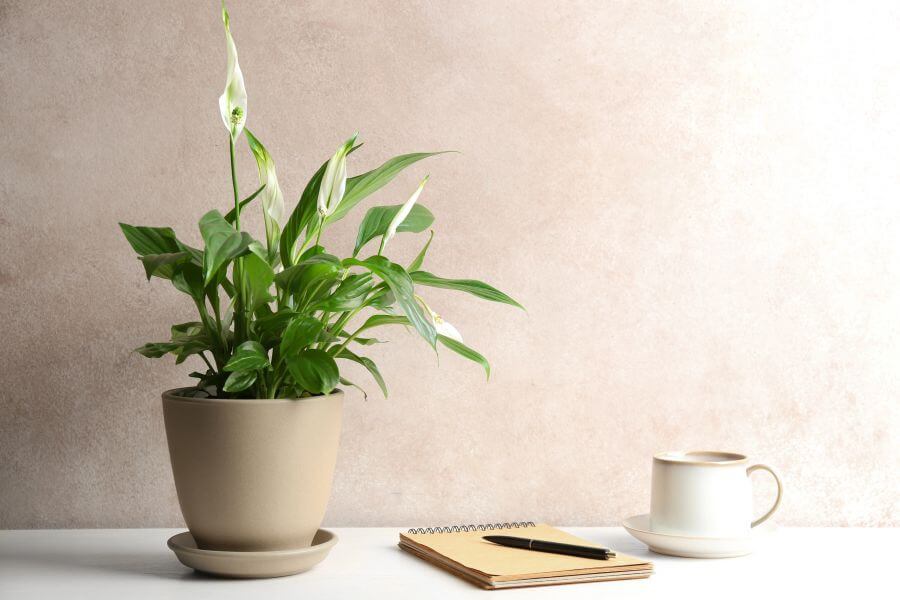
- Peace Lily – Good for benzene and trichloroethylene
- Dracaena Janet Craig – Excellent all-around air purifier
- Golden Pothos – Low-maintenance, great for VOCs
- English Ivy – Removes mould spores and benzene
- Snake Plant – Ideal for bedrooms, filters formaldehyde and benzene
Each of these plants plays a role in improving indoor air quality by either absorbing pollutants or regulating humidity. And Dunelm have in stock various air purifying bundles that include Peace Lily, Snake Plant, Boston Fern, and Peach Anthurium (Flamingo plant).
So if you want to know more, let’s explore why NASA conducted this study and what they discovered.
Why NASA Studied Houseplants for Air Quality
In 1989, NASA, in collaboration with the Associated Landscape Contractors of America (ALCA), conducted research to determine whether common house plants could filter harmful airborne toxins. Their goal? To improve air quality in sealed space stations, and ultimately, apply these findings to indoor environments on Earth.
Their study confirmed that certain plants, along with soil microorganisms, effectively remove pollutants like benzene, formaldehyde, and trichloroethylene, chemicals commonly found in homes and offices.
So, which plants are the most effective? And how do they help remove toxins like benzene, formaldehyde, and trichloroethylene from your home? Well I read the 30 page study just to pass on NASA’s top recommendations on the best air-purifying plants to create a cleaner, healthier living space.

Which Air Pollutants Were Studied?
NASA’s study focused on three major volatile organic compounds (VOCs) commonly found in indoor environments:
- Benzene – Found in petrol, paints, adhesives, plastics, and synthetic fabrics. Long-term exposure has been linked to immune system damage and an increased risk of cancer.
- Trichloroethylene (TCE) – Used in industrial solvents, varnishes, paints, and adhesives. Exposure has been associated with liver and kidney damage.
- Formaldehyde – Emitted from carpets, plywood, insulation, and paper goods. It is a known respiratory irritant and potential carcinogen.
Each plant was tested in sealed Plexiglas chambers for its ability to absorb these toxins over a 24-hour period.
The Power of Houseplants in Air Purification
NASA’s research found that certain houseplants were highly effective at absorbing these toxic compounds, neutralising them through their leaves, roots, and associated microorganisms in the soil.
The study involved placing plants in sealed Plexiglas chambers containing specific levels of VOCs and measuring their ability to remove these chemicals over a 24-hour period. Real world conditions will yield different results, and while plants help, they do not replace ventilation or air filtration systems.

Top Air-Purifying Plants Identified in the Study
Unsurprisingly plants with larger surface areas tend to remove more pollutants, . but plant root efficiency and microorganism activity in the soil also influences the overall effectiveness.
| Plant Name | Key Pollutants Removed | Removal Efficiency (%) | Light Needs | Watering | Best Placement |
|---|---|---|---|---|---|
| Bamboo Palm (Chamaedorea seifritzii) | Formaldehyde | 76.7% | Bright, indirect light | Keep soil moist but not soggy | Living room, office |
| Gerbera Daisy (Gerbera jamesonii) | Benzene, TCE | 67.7% (Benzene), 35% (TCE) | Bright light | Water regularly; well-drained soil | Sunlit window, balcony |
| Peace Lily (Spathiphyllum “Mauna Loa”) | Benzene, TCE, Formaldehyde | 79.5% (Benzene), 23% (TCE) | Indirect light | Keep soil moist | Living room, bathroom |
| Mother-in-Law’s Tongue (Sansevieria laurentii) | Formaldehyde, Benzene | 52.6% (Benzene), 31.3% (Formaldehyde) | Low to moderate light | Water every 2–3 weeks | Bedroom, office |
| Janet Craig (Dracaena deremensis “Janet Craig”) | Formaldehyde, Benzene | 48.8% (Formaldehyde), 77.6% (Benzene) | Low to medium light | Water when topsoil feels dry | Home office, living room |
| Golden Pothos (Scindapsus aureus) | Benzene, TCE | 73.2% (Benzene) | Low to moderate light | Water when soil dries | Hanging baskets, bookshelves |
| English Ivy (Hedera helix) | Benzene, Mould | 89.8% (Benzene) | Bright, indirect light | Keep soil moist | Hanging baskets, walls |
TLDR:
- Benzene Removal: English Ivy and Janet Craig are the highest performers for benzene removal, with English Ivy being the best at 89.8%.
- Formaldehyde Removal: Bamboo Palm and Janet Craig have the best formaldehyde removal, with Bamboo Palm being the most effective at removing 76,707 micrograms of formaldehyde.
- Trichloroethylene (TCE) Removal: While no plant stands out strongly, Gerbera Daisy and Peace Lily are the best performers with 35% and 23% removal, respectively.
- Overall Performance: Gerbera Daisy consistently performs well across multiple pollutants, particularly for benzene, making it a highly recommended plant.
Recommendation: If you want a general air-purifying plant, Gerbera Daisy is your best bet. However, using a combination of these plants will optimize air purification based on the specific pollutants in your home.
There are others not studied by NASA of course, including the rubber plant, aloe vera, spider plant, and money tree.
How Do Plants Remove Toxins?
NASA’s study revealed that houseplants remove pollutants through:
Stomata Absorption – Plants pull VOCs from the air through tiny pores on their leaves.
Microbial Breakdown – The microorganisms in soil help break down harmful compounds into nutrients for plant growth.
Activated Carbon Integration – NASA proposed a plant-based air filtration system combining activated carbon filters for faster pollutant removal.
Reality Check: While plants do improve air quality, they don’t replace ventilation or air purifiers, but they complement them effectively.
Plants vs. Air Purifiers: Which is Better?
Both houseplants and air purifiers contribute to better indoor air quality, but they serve different purposes:
| Feature | Plants | Air Purifiers |
|---|---|---|
| Removes VOCs (e.g., benzene, formaldehyde) | ✅ Yes | ✅ Yes |
| Filters dust, allergens, and bacteria | ❌ No | ✅ Yes (HEPA filters) |
| Regulates humidity | ✅ Yes | ❌ No |
| Aesthetic & mental well-being benefits | ✅ Yes | ❌ No |
| Electricity required | ❌ No | ✅ Yes |
| Maintenance required | ✅ Low | ✅ High (filter replacement) |
So a combined approach using both houseplants and air purifiers can be the most effective strategy. Houseplants provide natural air filtration and humidity regulation, while air purifiers quickly remove particulates and airborne bacteria.
What did the Expert say?
Dr. Bill Wolverton, a former NASA research scientist, was one of the leading experts on plant-based air purification. He stated:
“We feel that future results will provide an even stronger argument that common indoor landscaping plants can be a very effective part of a system used to provide pollution-free homes and workplaces.”
This reinforces the idea that incorporating plants into indoor spaces can significantly contribute to air quality improvements, alongside other strategies like air filtration systems.
Psychological and Well-Being Benefits of Plants
Beyond air purification, houseplants have proven psychological benefits, including:
- Reduce stress – Greenery lowers cortisol levels and promotes relaxation.
- Boost productivity – Workspaces with plants increase focus and creativity.
- Regulate humidity – Plants naturally release moisture, balancing indoor air.
- Improve mood – A green space gives a sense of calm and happiness. This makes a strong case for adding houseplants, not just for air purification, but also for mental and physical well-being.
Final Thoughts: Plants as Nature’s Air Filters
NASA’s research has reinforced what ancient civilisations knew all along, plants are essential to human well-being. While modern homes are increasingly filled with synthetic materials that contribute to poor air quality, incorporating houseplants is a simple, effective, and natural solution to counteract indoor air pollution.
As society moves towards more eco-friendly and sustainable living, the role of houseplants in maintaining clean, breathable air cannot be overlooked. Whether at home, in offices, or even in future space stations, plants remain one of nature’s most powerful tools for creating healthier environments.
References
- Wolverton, B.C., Johnson, A., & Bounds, K. (1989). Interior Landscape Plants for Indoor Air Pollution Abatement. NASA/ALCA Report.
- National Aeronautics and Space Administration (NASA) Studies on Air Purification, 1989.
Key Takeaways
- Best plants for pollutant removal:
- Bamboo Palm (Chamaedorea seifritzii) – best for formaldehyde.
- Gerbera Daisy (Gerbera jamesonii) – best for benzene.
- Peace Lily (Spathiphyllum “Mauna Loa”) – good for benzene and TCE.
- Dracaena Janet Craig – excellent all-around air purifier.
- Activated carbon filters + plants are the most effective indoor air purification method.
- Soil bacteria adapt over time, improving air filtration.
- Using multiple plants enhances air quality benefits.
Study Data

Latest Posts










Trending
Popular Reads





