Fiscal policy and monetary policy are essential tools used by governments and central banks to manage a nation’s economic performance. Both aim to promote stability and growth but operate in different ways. Fiscal policy involves decisions on government spending and taxation, directly affecting public services and households.
In contrast, monetary policy focuses on controlling the money supply and interest rates, primarily managed by central banks. How do these different approaches shape the economic landscape?
Let’s explore the fundamentals of fiscal and monetary policy to find out.
Fiscal Policy
Fiscal policy encompasses the government’s strategies of utilising spending and taxation to shape the economy. It plays a pivotal role in addressing economic challenges by adjusting public expenditure and tax rates, thereby directly impacting consumer demand and overall economic activity.
In the debate of fiscal policy vs monetary policy, the former is often regarded as a more immediate and flexible tool, as policymakers can implement changes relatively quickly in response to economic conditions.
While fiscal policy can stimulate growth during downturns by increasing spending, it can conversely lead to deficits if not balanced with adequate revenue generation. Understanding how fiscal policy interacts with monetary policy is essential for grasping the broader economic framework.
Monetary Policy
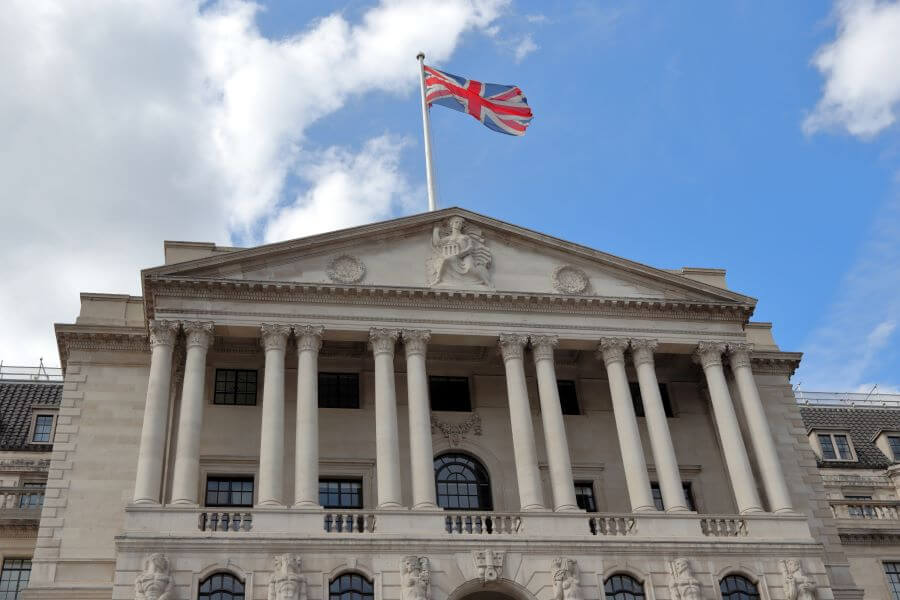
Monetary policy is the process of managing the money supply and interest rates in an economy. It is primarily conducted by central banks, such as the Bank of England in the United Kingdom or the European Central Bank in Europe.
Central banks utilise several tools to influence monetary policy, including setting interest rates, open market operations, and reserve requirements for commercial banks. When executed effectively, these measures can impact economic activity by affecting borrowing costs and consumer spending.
However, there are limitations to the effectiveness of monetary policy as it takes time for changes to take effect and may not always have a direct impact on consumer behaviour.
Combination of Both
In practice, both monetary and fiscal policies are often used together to achieve desired economic outcomes. This is known as a coordinated or mixed policy approach. For example, during times of recession, central banks can lower interest rates while governments can increase public spending on infrastructure projects.
Moreover, the effectiveness of both monetary and fiscal policies can be influenced by external factors such as global economic conditions and political stability. In cases where these policies alone cannot effectively stimulate the economy, other measures such as quantitative easing (a type of unconventional monetary policy) or tax cuts and rebates may be implemented.
Impact on Businesses
Monetary policy has a direct impact on Oxfordshire businesses through its influence on interest rates. When central banks increase interest rates, borrowing costs for businesses also rise, making it more expensive for them to invest in new projects or expand their operations. This can lead to a decrease in business activity and potentially, a slowdown in economic growth.
On the other hand, fiscal policy can indirectly affect businesses through its impact on consumer spending. A decrease in taxes or an increase in government spending can put more money into consumers’ pockets, leading to an increase in demand for goods and services. As businesses respond to this increased demand, they may need to hire more workers and invest in new equipment, stimulating economic activity.
Impact on Individuals
Monetary policy also has a direct impact on individuals through its influence on interest rates. When interest rates are low, individuals are encouraged to borrow and spend more, which can stimulate economic growth. However, when interest rates are high, individuals may be discouraged from borrowing and spending, leading to a decrease in economic activity.
Fiscal policy can also affect individuals through its impact on taxes. Changes in tax rates or rebates can have a direct effect on the amount of disposable income that individuals have, which can influence their spending habits. For example, if taxes are reduced, individuals may have more money to spend on goods and services, contributing to economic growth.
Conclusion
In conclusion, monetary and fiscal policies are important tools used by governments to manage and stimulate economic growth. While they have different mechanisms for achieving their goals, both policies aim to regulate the economy and promote overall stability.
However, these policies can also have unintended consequences and should be carefully implemented to avoid any negative impacts on the economy. Individuals and businesses must understand how monetary and fiscal policies work in order to make informed decisions that can minimise risks and take advantage of potential opportunities.