

















The term ‘credit score’ often comes up in discussions about personal finances. But what exactly does it mean, and how can it impact your financial future?
Understanding credit scores and learning how you can influence yours effectively can help you access better financial products, improve your financial security, and open up opportunities for better interest rates on loans and credit.
What is a credit score?
A credit score is a three-digit number used by lenders to assess your creditworthiness. In other words, how likely you are to repay borrowed money on time. Your credit report, which contains your repayment history, outstanding debts, and the amount of credit you are using, is a key factor in determining your credit score.
A good credit score increases your chances of being approved for financial products such as loans, mortgages, and credit cards. This is why monitoring your score is important for maintaining a strong financial standing.
In the UK, the main credit reference agencies are:
- Experian
- Equifax
- TransUnion
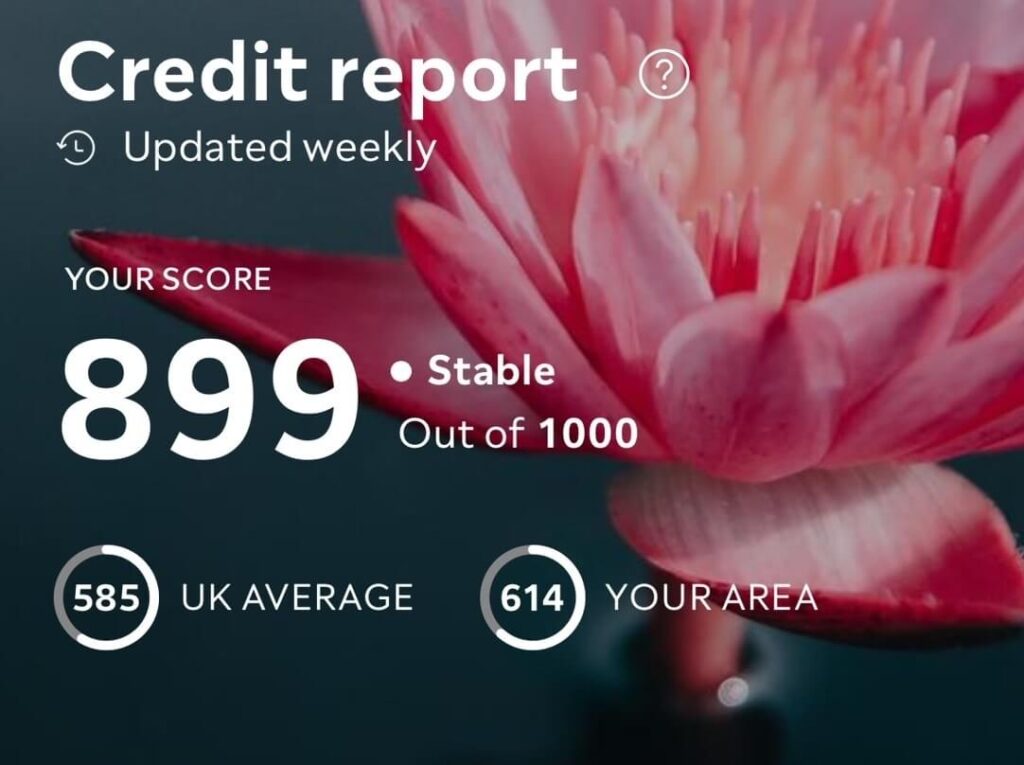
How credit score ranges affect your financial products
Credit scores typically fall within different ranges, which determine what products and rates you qualify for. While specific ranges vary slightly by lender, they generally fall into categories like:
- Poor: 0-560
- Fair: 561-720
- Good: 721-880
- Excellent: 881-999
An excellent score (881 and above) makes you eligible for the best deals on credit cards, loans, and mortgages, while a poor score (below 560) limits your financial options and often results in higher interest rates.
Different lenders and products may have varying thresholds for what they consider a good or bad score, so it’s crucial to stay informed about your score’s status when applying for credit.
Why your credit score matters
Your credit score plays a pivotal role in determining the terms of your financial products. With a high score, you can access lower interest rates, making loans and credit cards cheaper to manage over time. For instance, with a good credit score, you’ll qualify for competitive mortgage rates, personal loans, and even credit cards with rewards such as cashback or travel points.
On the other hand, a poor score limits your financial options. You may struggle to qualify for major loans like car finance or mortgages, and if approved, you’re likely to face significantly higher interest rates, adding to your financial burden.
Lenders are more hesitant to provide credit if they believe there is a high risk of default based on your credit history. This can restrict your financial freedom, particularly if you have ambitious financial goals, such as buying a home.
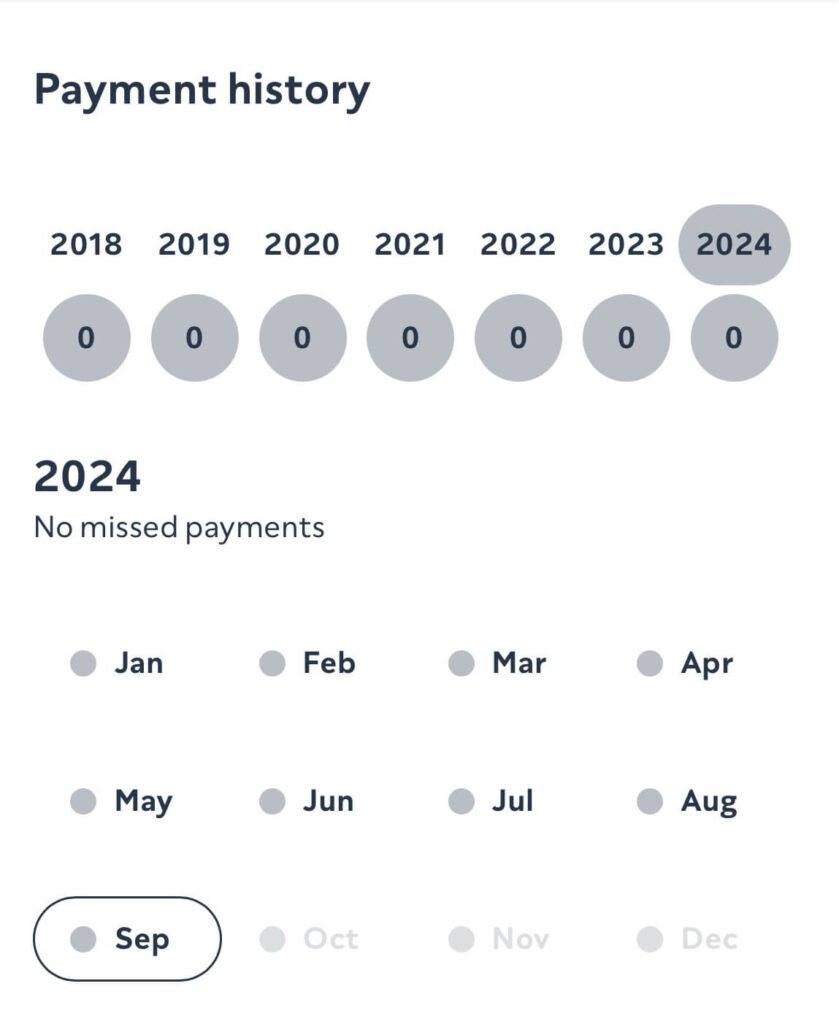
Factors affecting your credit score
Fortunately, your credit score is not set in stone, and there are several ways to improve it over time. Below are key factors that influence your score and what you can do to improve it:
- Timely Payments: Consistently paying your bills on time is the single most important factor. Late or missed payments have a negative impact on your credit score. You may want to set up automatic payments to avoid missing a bill.
- Credit Utilisation: How much of your available credit you use also matters. Keeping your credit card balance low relative to your credit limit (ideally below 30%) can boost your score. Consider paying off your credit card in full each month. By using a credit card responsibly by keeping the balance low and paying it off in full each month, this demonstrates good credit management and help improve your score over time.
- Credit History: The length of your credit history can influence your score, so it helps to maintain long-standing accounts in good standing. Closing old accounts can sometimes lower your score.
- New Credit Applications: Applying for multiple loans or credit cards within a short period can signal financial distress and negatively affect your score. Try to space out your applications and apply only when necessary.
- Electoral Roll: Registering to vote by adding your name to the electoral roll can have a positive impact on your score, as it helps lenders verify your identity more easily.
- Errors on Your Credit Report: Mistakes or inconsistencies, such as misspelled names or incorrect addresses, can lower your score. It’s worth reviewing your credit report regularly to spot and correct any errors.
Credit building tips for beginners
If you have a limited or no credit history, there are practical ways to start building your credit:
- Become an authorised user: If you can, become an authorised user on someone else’s credit card. Their responsible use of the card can help build your credit history.
- Use a secured credit card: Secured credit cards, backed by an upfront deposit, are designed for people with no credit. Using these responsibly can help build your score.
- Take out a small loan: Even a small personal loan, repaid on time, can demonstrate that you’re able to manage debt and boost your creditworthiness.
Consequences of a poor credit score
A poor credit score doesn’t just affect your ability to get a loan. It can have broader financial implications, including:
- Higher insurance premiums: Some insurance providers check your credit score and may charge higher premiums for auto or home insurance if you have poor credit.
- Renting difficulties: Landlords often check credit scores as part of tenant screening, and poor credit can make it harder to secure a rental property.
- Impact on employment: In some sectors, particularly financial roles, employers may review credit scores as part of their hiring process.
Regional differences in credit scoring systems
Credit scoring varies across countries, which can pose challenges for individuals moving abroad. For example, while the UK uses a credit score range of 0-999, the US uses a FICO score range of 300-850, and scores do not transfer between these systems. Expats should be prepared to start building credit history in their new country, often from scratch.
Monitoring and improving your credit score
It’s easier than ever to keep an eye on your credit score using various financial apps and online platforms. Monitoring your credit regularly allows you to track your progress and adjust your financial habits accordingly.
Using free tools like ClearScore, Experian, or Credit Karma, you can check your score without it affecting your rating. Regular monitoring ensures you’re aware of any changes and can take action if necessary.
Protecting your credit score from fraud
Maintaining a strong credit score also involves safeguarding your information. With the rise of identity theft and credit fraud, it’s important to monitor your credit report for any signs of unauthorised activity. If you suspect fraud, contact the credit reference agencies immediately to place a fraud alert on your account.
Credit score myths and misconceptions
There are several misconceptions about credit scores that can mislead consumers:
- Checking your own score lowers it: Checking your credit score (via a “soft inquiry”) does not affect it. Only hard inquiries, like applying for a loan, can impact your score.
- Closing unused accounts boosts your score: Closing old accounts can reduce your available credit and shorten your credit history, which may actually lower your score.
Conclusion
Improving your credit score is a gradual process, but by following best practices like making timely payments, keeping credit utilisation low, and regularly monitoring your report, you can take control of your financial future. By understanding the factors that influence your score, you can unlock better financial opportunities and stay confident in your creditworthiness.