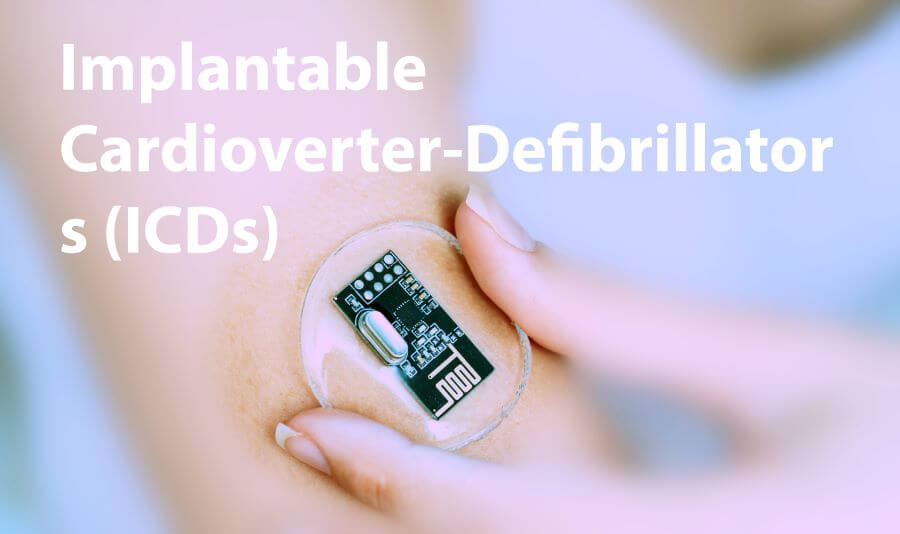
Medical devices play an essential role in modern healthcare, saving lives and improving the quality of life for millions. However, certain devices, especially those used in vascular systems, may increase the risk of blood clots. These clots can cause serious complications such as strokes, deep vein thrombosis (DVT), or pulmonary embolisms.
Devices like catheters, pacemakers, stents, and mechanical heart valves, while invaluable, can sometimes disrupt normal blood flow or trigger inflammatory responses. Understanding these risks and taking preventative measures is crucial to ensuring patient safety.
Blood Clots: A Brief Overview
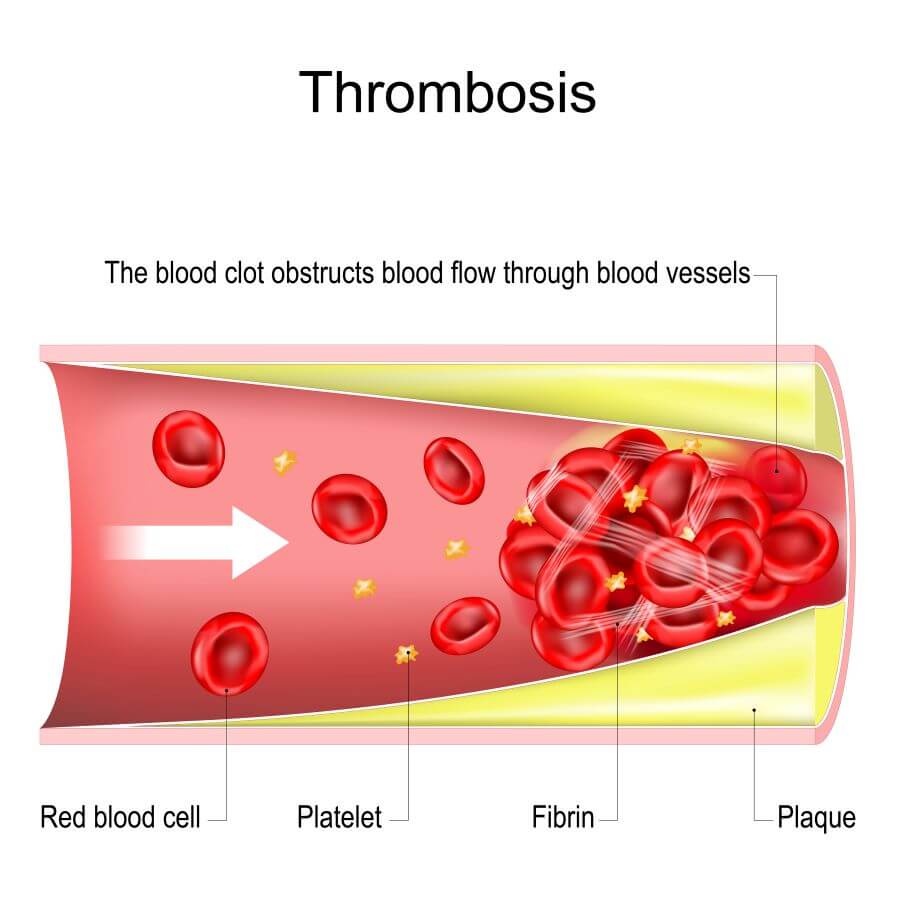
Blood clots form when blood thickens and clumps together, potentially obstructing blood flow and causing complications. Clots can occur in veins or arteries, leading to conditions such as DVT or pulmonary embolism.
Medical devices may heighten clot risks by introducing foreign materials or disrupting normal circulation. The risk is particularly pronounced when devices are improperly placed, left in situ for too long, or not maintained properly.
According to the NHS, symptoms of blood clots include cramp or swelling in the leg, change in skin colour, and pain near the clot. Patients might also feel chest pains or shortness of breath if the clot moves. Understanding these risks is extremely important for everyone using medical devices.

Power Ports:A Lifesaving Tool with Risks
Power Ports are invaluable for patients requiring long-term treatments, such as cancer therapy. These small devices are implanted under the skin, allowing easy access to veins and reducing the need for repeated needle insertions.
However, Power Ports can sometimes lead to complications, including blood clots. Poor design, improper placement, or restricted blood flow around the port can increase risks. Reports also highlight issues such as device fractures or infections, as seen in the Bard Power Port case, which raised concerns over safety and reliability.
To mitigate risks, patients should follow medical advice closely, monitor for symptoms, and attend regular check-ups. Early detection and intervention are key to avoiding severe complications.
Complications have been reported, including blood clots, device fractures, infections, and device migration within the body. These issues have raised concerns about the safety and reliability of the Bard Power Port. This event has caused quite a stir, and with negligence apparent, the Bard Power Port lawsuit settlement amount is expected to be quite high.
Venous Catheters and Central Lines
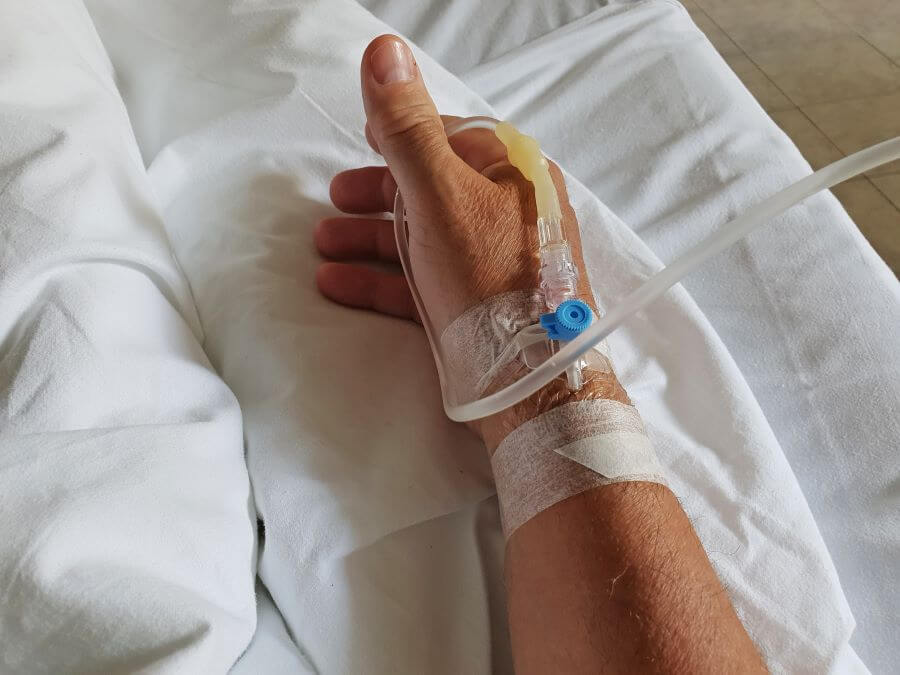
Venous catheters, also known as central lines, are critical for administering fluids, medications, and nutrients. They are especially common in neonatal intensive care units (NICUs), where tiny patients require specialised care.