The integration of technology into healthcare is bringing about significant advancements, particularly in dentistry. These innovations are reshaping the way dental treatments are performed, improving diagnostic accuracy, enhancing patient outcomes, and making procedures less invasive and more efficient.
This article explores key technological breakthroughs in dentistry, with a particular focus on the transformative role of full-mouth dental implants and other cutting-edge advancements that are revolutionising patient care.
Technological Innovations in Dentistry
In recent years, the dental industry has seen a major shift with the adoption of advanced technologies. From digital scanning and 3D imaging to robotic-assisted surgery, these innovations are opening up new possibilities for both dentists and patients. The movement towards digitalisation has resulted in faster, more precise, and often less painful treatments, significantly improving clinical practice and patient experiences.
Modern dental practices now rely heavily on tools such as digital scanners, 3D imaging, and computer-aided design/computer-aided manufacturing (CAD/CAM) systems. These technologies are critical in the planning and execution of dental procedures, particularly for complex treatments such as full-mouth dental implants.
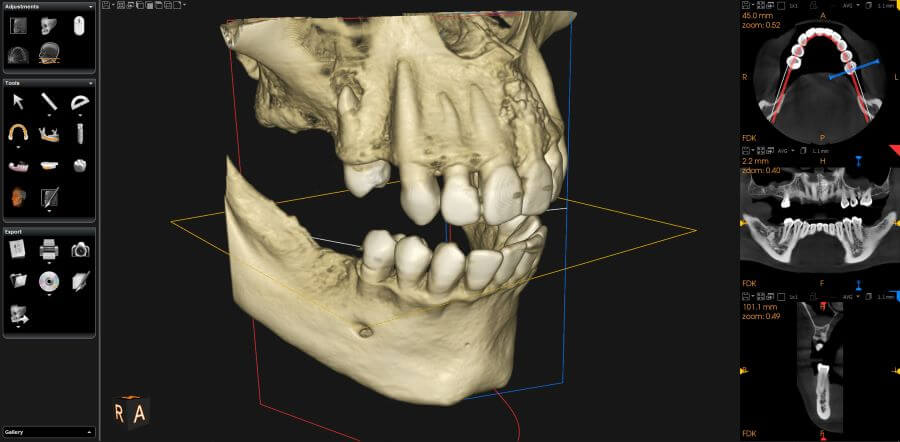
Digital Imaging: Revolutionising Dental Diagnostics
Digital imaging technologies have dramatically improved the precision of dental diagnostics. Tools such as digital X-rays and Cone Beam Computed Tomography (CBCT) provide dentists with detailed, three-dimensional views of patients’ oral structures, allowing for more accurate diagnoses and treatment planning. Unlike traditional X-rays, digital imaging delivers clearer images with lower radiation exposure, making it safer and more efficient.
For procedures such as dental implants and reconstructive surgery, these advanced imaging techniques are invaluable, as they allow dentists to map out treatment with greater accuracy, reducing the risk of complications and enhancing patient outcomes.
Precision and Efficiency with CAD/CAM and Robotic-Assisted Surgery
The use of CAD/CAM systems has revolutionised the creation of dental restorations. These systems enable the precise design of crowns, veneers, inlays, and onlays, ensuring a perfect fit for each patient. CAD/CAM technology streamlines the entire process, from design to placement, reducing chair time for patients and improving the durability of restorations.
Robotic-assisted surgery is another breakthrough, particularly in complex dental procedures such as implant placements and bone grafting. These systems enable dentists to perform surgeries with a level of precision that surpasses manual methods. By minimising human error, robotic surgery reduces recovery times, increases accuracy, and leads to better patient outcomes.
Full-Mouth Dental Implants: A Ground-breaking Solution
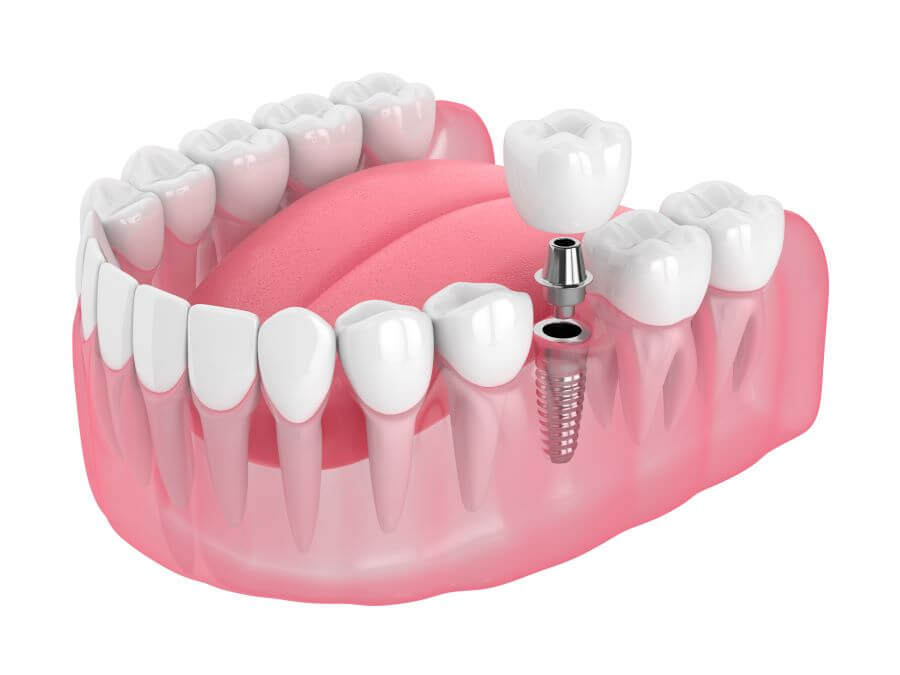
One of the most significant technological advancements in dentistry is the development of all-on-4 dental implants (full-mouth dental implants). This innovative solution offers a permanent and functional replacement for patients who have lost most or all of their teeth, providing results that look and feel like natural teeth.
Full-mouth dental implants utilise advanced imaging and surgical techniques to ensure optimal placement and integration. These implants not only restore a patient’s ability to chew, speak, and smile confidently, but they also provide aesthetic benefits that improve overall quality of life.
The implants fuse seamlessly with the jawbone, creating a strong, durable foundation for artificial teeth. This long-lasting solution showcases how technology is transforming dental health and restoring confidence in patients suffering from tooth loss.
Virtual Reality: Enhancing Patient Experience
Virtual reality (VR) is another innovative tool making its way into dental practices. VR is being used to improve patient education and treatment planning by allowing patients to virtually explore their treatment options before making decisions. With VR, patients can visualise how dental implants will look and feel, helping to reduce anxiety and provide greater understanding of the procedure.
Additionally, VR can be used during dental treatments to create a more immersive and calming experience for patients, particularly those who may be nervous about complex procedures. This innovation enhances patient satisfaction and contributes to a more positive experience in the dental chair.
Embracing Sustainability in Dental Technology
As technology advances, sustainability is becoming a key focus in dental care. The industry is increasingly adopting green technologies and using biocompatible, eco-friendly materials in dental treatments. This shift towards sustainability aligns with global efforts to minimise environmental impact, while enhancing the long-term success of dental procedures.
Materials used in dental restorations, such as crowns and implants, are being developed to be both biocompatible and recyclable, reducing waste and promoting better health outcomes. This focus on sustainability ensures that dental care evolves responsibly, benefiting both patients and the environment.
The Future of Dentistry: Digital and Patient-Centred
The future of dentistry is undeniably digital and patient-centred. With the integration of technologies such as digital imaging, CAD/CAM systems, robotic surgery, and virtual reality, dental treatments are becoming faster, more precise, and more accessible. Full-mouth dental implants, in particular, represent a breakthrough, offering patients a permanent solution to tooth loss that enhances both function and aesthetics.
As dental technology continues to evolve, we can expect further advancements that will make treatments even more efficient, comfortable, and focused on patient needs. This ongoing transformation in dental care ensures that patients will benefit from the latest innovations in oral health.
Conclusion
The merging of technology and dentistry is ushering in a new era of dental care, one marked by precision, improved outcomes, and enhanced patient experiences. From the development of full-mouth dental implants to the use of virtual reality and robotic surgery, technological advancements are redefining the possibilities in dental health. As these innovations continue to evolve, patients can look forward to even greater improvements in care, comfort, and sustainability.
Sources
- Vandenberghe et al. (2018): The Digital Patient: Imaging Science in Dentistry
- Biomedical Science & Research: Digital Dentistry: Where Are We Now