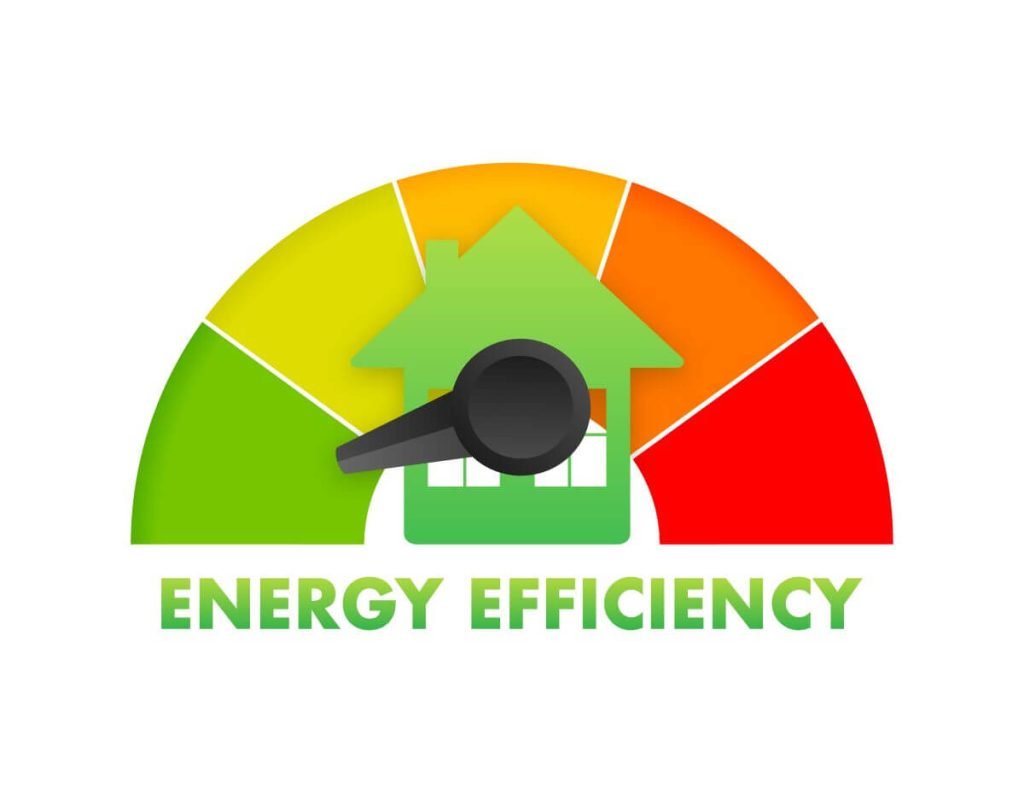
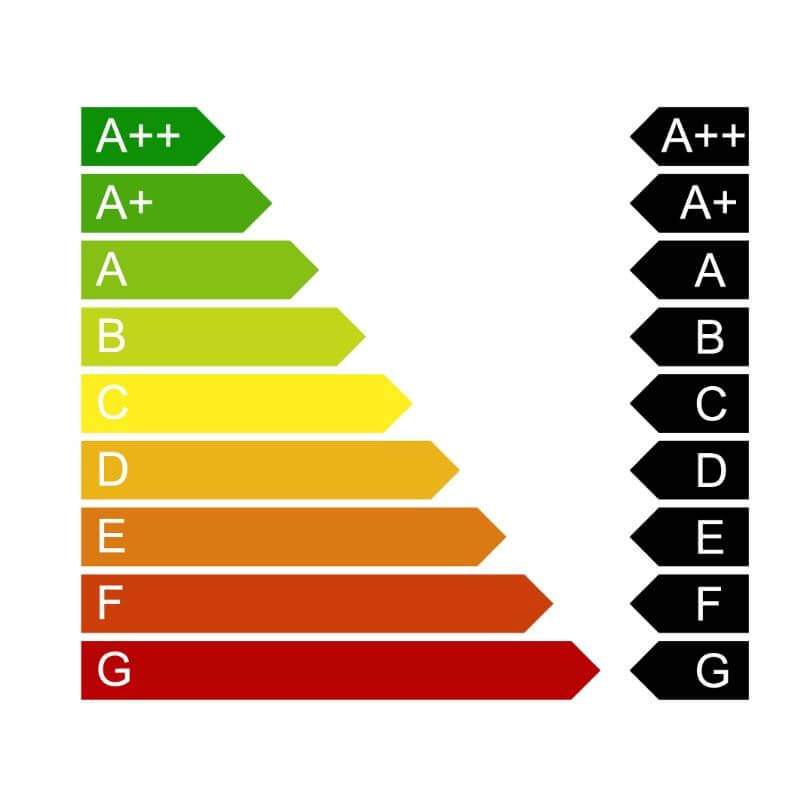
Energy Performance Certificates (EPCs) are an important tool for property owners, especially landlords, as they provide a snapshot of how energy-efficient a home or rental property is. Whether you’re renting out a flat in Oxford or managing a portfolio of properties, an EPC is often the first step in understanding your building’s energy performance. These certificates give properties a rating – from A (most efficient) to G (least efficient) – along with some basic suggestions for improvement.
But while EPCs are a helpful starting point, they only tell part of the story. If you’re looking to make real, lasting improvements, there’s often much more to think about.
What is an EPC?
An EPC is a legal requirement in the UK for anyone buying, selling, or renting out a property. It’s a government-backed system designed to help property owners understand how much energy their building uses and where it could be improved. Alongside the A-G rating, EPCs provide a list of suggestions, like adding insulation or upgrading an old boiler.
These recommendations can give property owners a useful starting point, making the EPC a helpful tool for compliance and basic energy upgrades. For landlords, staying on top of EPC ratings is especially important, as future regulations could require rental properties to meet Band C by 2030.
The benefits of an EPC
EPCs are simple and easy to understand, giving property owners an A-G rating that clearly shows the building’s performance and highlights areas for improvement.
The recommendations in the report can prompt action, encouraging landlords and homeowners to think about ways to reduce energy use and make their properties more efficient. For buyers and renters, EPC ratings also help in making informed decisions, giving an idea of future energy bills and the overall running costs of a home.
For landlords, EPCs are essential for meeting legal standards and also help with long-term planning, especially for those looking to upgrade properties ahead of possible regulation changes.
The limitations of EPCs
While EPCs are useful, they’re not perfect. Here are a few reasons why they might not tell the whole story:
Generic advice
EPC recommendations are standardised and don’t always consider the unique features of a property. For example, an EPC might suggest internal wall insulation for a small room where space is already tight, or external wall insulation in a conservation area where planning permission would be hard to get.
Limited practical detail
EPCs mainly focus on improving the rating itself but don’t provide much insight into the real-world effects of those improvements. For example, they don’t show how much a homeowner might save on energy bills or how retrofitting could improve comfort levels.
Outdated calculations
The EPC system uses energy pricing to calculate efficiency, which can result in misleading ratings. For example, properties with heat pumps – a modern, energy-efficient technology – may score poorly because electricity costs more than gas.
Not designed for retrofitting
EPCs weren’t created to guide complex retrofit projects. They don’t consider how different upgrades might interact with one another or whether the suggested improvements are even possible for a specific property.
A better approach: a whole house assessment
For property owners looking to go beyond the basics, a Whole House Plan offers a more detailed and tailored solution. Unlike an EPC, a Whole House Plan starts with a full retrofit assessment of the property, allowing experts to create a personalised plan that goes beyond improving the EPC rating and focuses on practical, real-world impacts.
What makes it different?
- Tailored advice: Instead of generic suggestions, a whole house energy assessment provides recommendations that suit your property’s specific characteristics.
- Real-world benefits: It shows how much you’ll save on energy bills, the carbon reduction potential, and how different upgrades will affect your home’s heating needs.
- Practical considerations: It takes into account things like disruption during installation, material suitability, and planning restrictions.
Future-proofing your property
For landlords, a whole house energy assessment is an investment in the future. While an EPC is useful for meeting legal requirements, an energy efficiency assessment ensures your property is ready for future changes, such as stricter regulations or the shift towards low-carbon technologies like heat pumps.
By planning ahead, landlords can not only meet new standards but also improve tenant satisfaction, lower energy bills, and protect their investment from future energy price increases.
“An energy efficiency assessment goes beyond just ticking boxes,” says a spokesperson from leading retrofit company Cosy Homes Oxfordshire. “It helps you make your property more comfortable, reduce running costs, and get ready for future energy challenges.”
Why an EPC isn’t enough
EPCs are a good first step, but they don’t give the full picture. For property owners looking to make meaningful improvements, a more detailed and personalised approach is often needed. Energy assessments offer deeper insights into how to improve efficiency, reduce bills, and prepare your property for changing regulations.
Related Questions
How do I find out my house EPC Rating?
You can find your property EPC by putting your postcode in to the UK government website
What do I do if my EPC is expired?
EPC’s last for ten years and there is no automatic requirement for a new one until you are selling the property or letting to a new tenant.
How do I improve my EPC rating
The energy saving trust has a good guide to improve your EPC rating, but the common recommendations involving changing lightbulbs to LED, improved insulation, and upgrading the boiler and windows.