Children across Oxfordshire thrive when given the freedom to explore the great outdoors. One playful and increasingly popular way to encourage this is with a mud kitchen, an outdoor play space where creativity, nature, and learning come together.
Whether installed in a school playground, nursery garden, or back garden in Abingdon, mud kitchens offer hours of hands-on, imaginative messy play. But beyond the fun, these setups promote sensory development, problem-solving skills, and outdoor learning, core values embraced by many Oxfordshire families and educators.
Why Are Mud Kitchens So Popular in Oxfordshire?
Mud kitchens have become a staple in many Oxfordshire homes and early years settings. Using everyday natural materials like soil, water, twigs and leaves, children mimic real-world kitchen tasks: stirring, scooping, pouring, and “cooking.”
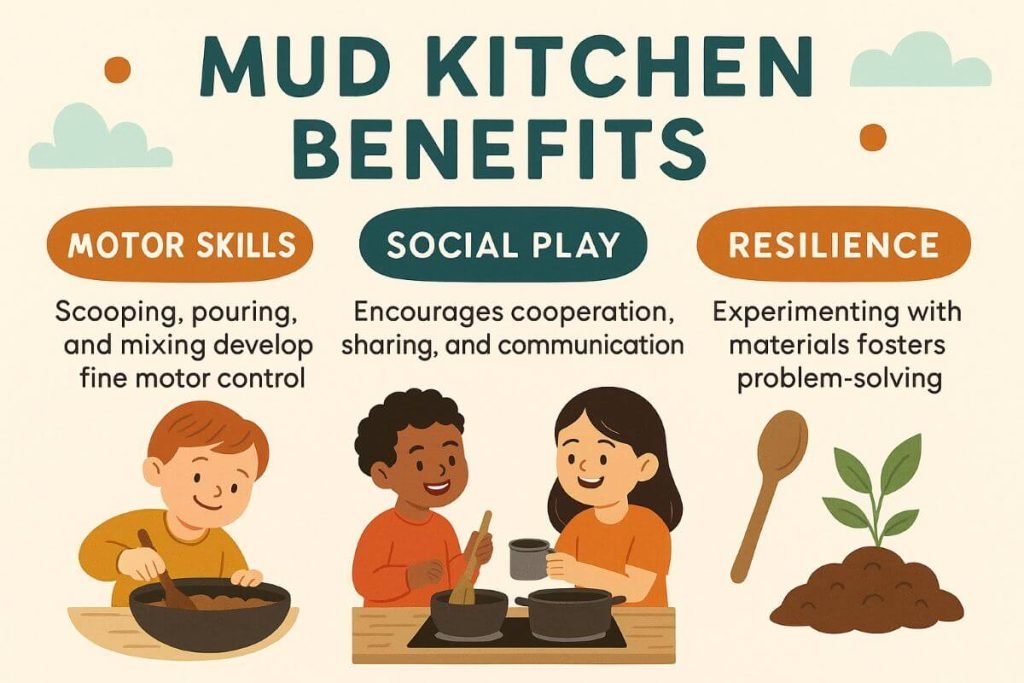
This play encourages exploration and confidence. When children adjust water-to-soil ratios or experiment with textures, they’re unknowingly developing key skills, from fine motor control to early maths and language.
In a county known for its natural diversity, from the clay-rich soil of Bicester to the woodland trails of Wytham, a mud kitchen is an ideal way to bring learning outside.
Linking Outdoor Play with Learning
Outdoor learning is more than a trend in Oxfordshire, it’s a regional ethos, supported by forest schools and nature-based nurseries. Mud kitchens act as an entry point for creative role-play. Children in pretend cooking often talk aloud while mixing ingredients or solving mini “problems” like why their mud pie won’t hold shape. These actions nurture resilience, language development, and early scientific thinking.
Louise Tanner, a nursery manager in Headington, explains: “We’ve seen huge progress in language and cooperation since introducing a mud kitchen. Children work together, assign each other roles, and narrate their play. It’s imaginative teamwork.”
Building a Practical Mud Kitchen
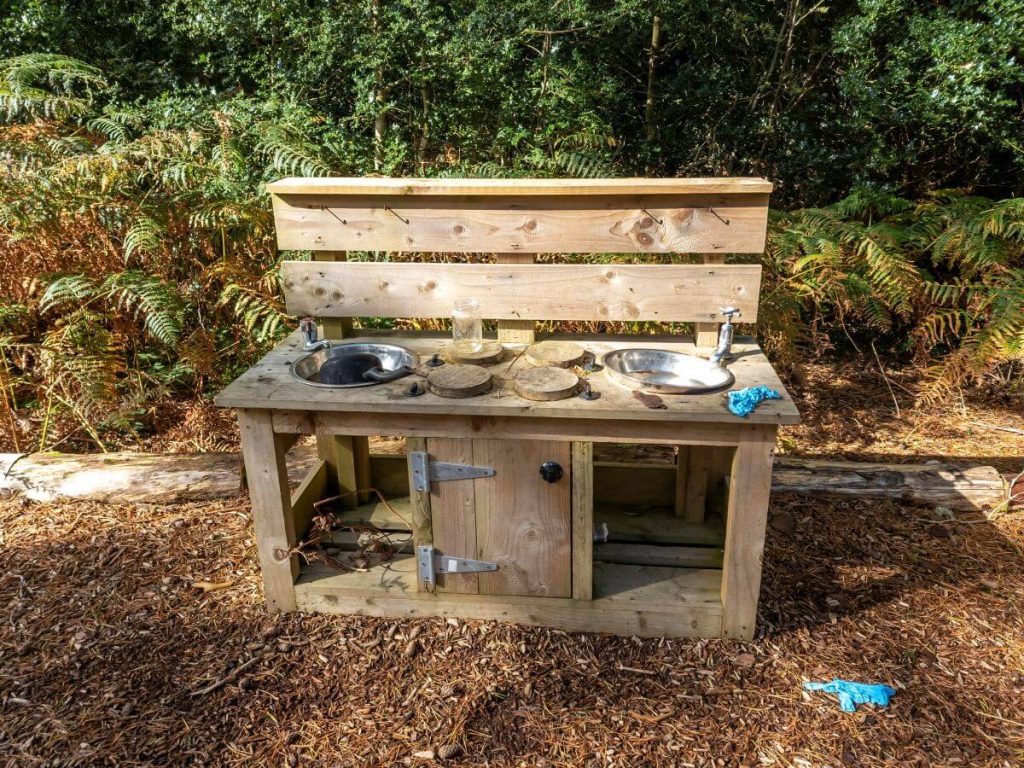
A successful mud kitchen doesn’t need to be expensive or elaborate. At its core, it includes:
- A child-height surface
- Storage for tools (e.g. bowls, spoons, jugs)
- Access to water
- A safe and secure outdoor environment
Locally sourced timber or recycled materials are popular in Oxfordshire. Wooden setups treated for outdoor use withstand the weather, while recycled plastic alternatives offer low-maintenance durability. Many families opt for DIY designs using pallets or salvaged furniture.
Tip: Local garden centres like Yarnton Home & Garden often stock child-safe treatments and offer advice for seasonal upkeep.
What Tools and Materials Work Best?
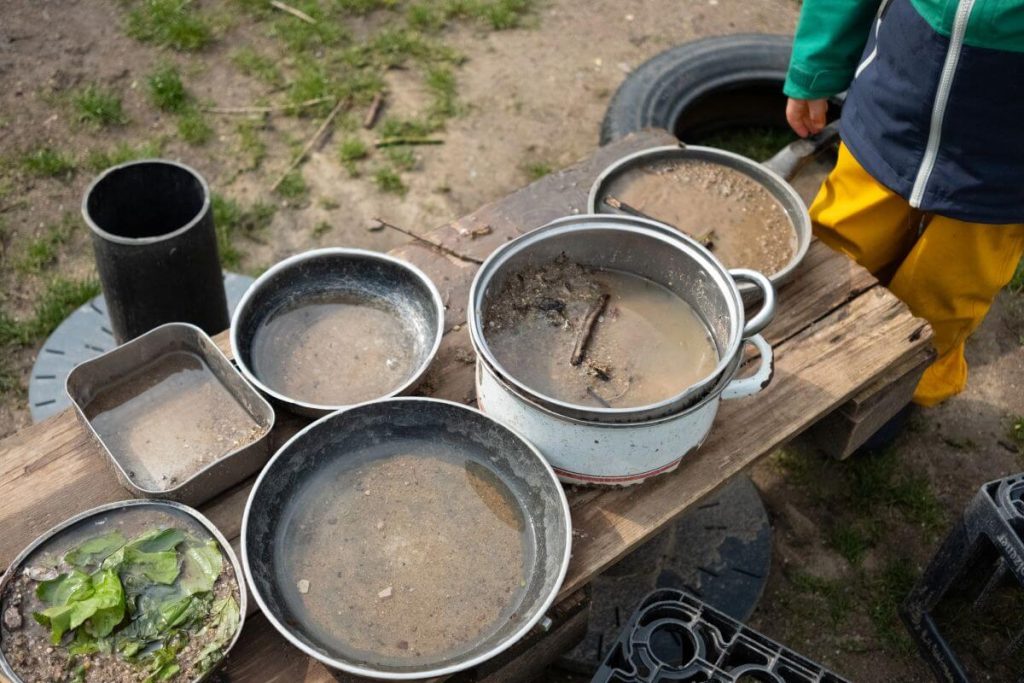
You don’t need anything fancy. Repurpose old kitchen utensils, pots, wooden spoons, metal pans, baking trays, and your mud kitchen is ready to go. These tools promote real-world mimicry and keep costs low. Oxfordshire Freegle groups are also a great source for second-hand items.
DIY or Ready-Made?
Many Oxfordshire families opt to build their own mud kitchens using pallets, shelves or even old BBQ frames. DIY versions allow for creativity and cost control, but require time. Ready-made options, often available online or through local makers, come with features like removable sinks and integrated shelves. Both are excellent options, with safety always top of mind.
Ensure:
- All surfaces are sanded smooth
- Tools are checked regularly
- Water is clean and containers are emptied often
Year-Round Use and Maintenance
A mud kitchen can be a four-season asset. Each season brings its own charm and challenges:
- Spring: Refresh surfaces, clean tools, and set up rainwater catchers
- Summer: Keep water clean and cool; incorporate fresh herbs like mint or lavender
- Autumn: Use natural materials like conkers, acorns, and colourful leaves for seasonal play themes
- Winter: Add bark chips around the base to reduce mud mess; use gloves for chilly days
Covering your kitchen or storing loose tools indoors during storms can extend its life considerably.
Educational Value Beyond the Mess
Mud kitchens are fun, but they’re also development powerhouses. Children develop resilience, vocabulary, social skills, and independence through play. They learn that not everything works first time, and that experimenting with materials leads to better results.
This style of sensory play supports the Early Years Foundation Stage (EYFS) framework, used in nurseries and reception classes across the UK.
Oxfordshire’s Outdoor Learning Legacy
Oxfordshire is home to a growing number of forest schools and outdoor learning schemes. From Earth Trust near Abingdon to Hill End Outdoor Centre in Farmoor, many schools integrate nature into daily learning.
A mud kitchen at home complements these initiatives, encouraging children to transfer skills from structured outdoor sessions into unstructured play.
Getting Started: Local Tips
- Ask your child’s nursery or school if they already use mud kitchens
- Visit local green spaces like Cutteslowe Park or Harcourt Arboretum for natural material inspiration
- Browse local maker markets for eco-friendly ready-made setups
- Join a local parent group or Facebook community for DIY support
Final Thoughts: Invest in Imagination
A mud kitchen is more than a garden toy, it’s a long-term investment in creativity, development and outdoor learning. In a region rich in natural resources and passionate about child wellbeing, it’s no wonder Oxfordshire families are getting their hands muddy.
Whether you opt for a handcrafted timber kitchen or a simple pallet bench with a mixing bowl, the result is the same: laughter, learning and a love for nature.
“They come in with muddy hands, and leave with big ideas,” says Louise. “And that’s exactly what we want.”
Tag our social media with your Oxfordshire mud kitchens to show us the fun this summer!