In Oxfordshire, we are blessed with many traditional looking properties which add to the character and aesthetic appeal. But homeowners are increasingly turning to innovative building solutions to improve home efficiency is essential for reducing energy bills and enhancing comfort.
By adopting modern insulation techniques, upgrading windows, and using energy-efficient materials, residents can significantly improve their living environments. Plus, less fossil fuels used to heat our homes, means less greenhouse gas emissions and a reduced carbon footprint.
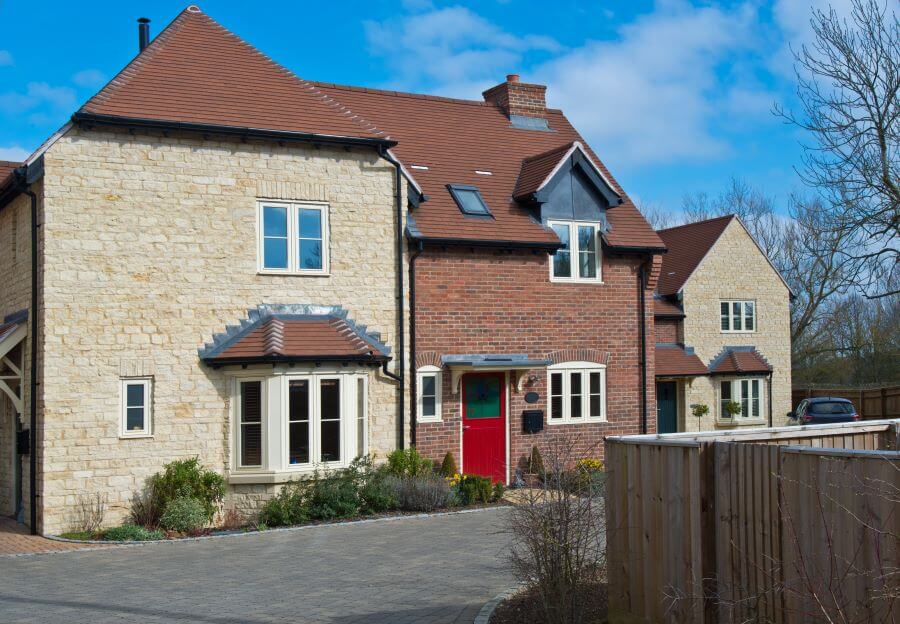
How do houses lose heat and what should be targeted?
Most people are aware heat rises, and due to the ease of installation loft insulations are popular. But on average, we lose 25% through roofs compared to 35% from walls, 15% from floors, and 10% from windows. But bear in mind these are averages and not taking into account single or double glazing which makes a huge difference, as would any gaps that let heat escape.
We cover here home insulation methods on how you can reduce this loss which not only saves you money but has a positive impact on the environment. The right ones for you would vary based on what makes the biggest impact, for the most affordable cost.
But much like the drive to install heat pumps we covered very recently, grants may also be available for house upgrades based on your EPC rating, income/benefits status and local council.
Benefits of Loft Insulation
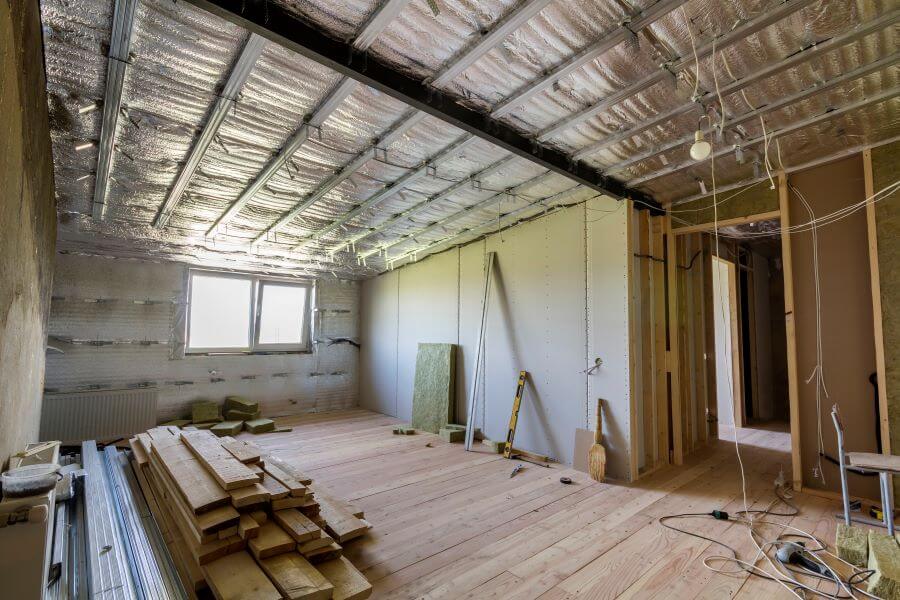
Loft insulation is a fundamental component of an energy-efficient home and reduce that lost heat. It acts as a barrier to heat loss, helping to keep homes warm during the winter and cool during the summer. This not only enhances comfort but also leads to significant savings on energy bills.
In general, effective loft insulation is crucial and this could be an easy for any empty loft or attic. The insulation prevents heat from escaping through the roof, which is one of the primary areas of heat loss in many homes. By simply installing a layer of loft insulation boards, homeowners can ensure a more stable and comfortable indoor environment throughout the year and reduce their energy bills.
Loft insulation is a cost-effective improvement if done right. The initial investment is often recouped through energy savings within a few years. Proper insulation can increase the property value as it increases the EPC rating, making it an attractive feature for potential buyers. But we must stress, make sure you read our article on spray foam that mortgage companies reject making the property unsellable.
Types of Loft Insulation
There are various types of loft insulation available, each with its unique benefits. The most common types include blanket insulation, loose-fill insulation, and rigid insulation boards.
Blanket insulation, usually made from fibreglass, is easy to install and effective at reducing heat loss. Loose-fill insulation, made from materials like cellulose or mineral wool, is ideal for hard-to-reach areas and can be topped up to maintain its efficiency over time.
For those looking to start with some DIY insulation, Trade Insulations offers a variety of cost-effective solutions, including loft insulation boards. These are simple to lay for a competent DIYER, although of course their will be local builders and contractors who can do it for you.
DIY Installation of Loft Insulation Boards
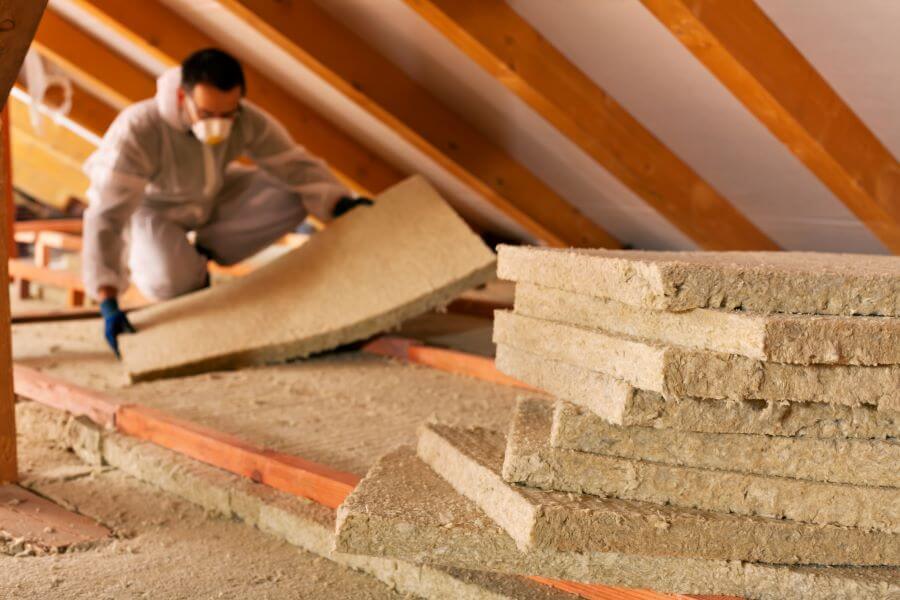
Installing loft insulation boards can be straightforward with the right preparation and tools. First, ensure the loft area is clean and free of debris. Measure the space to determine the number of boards needed. Cutting the boards to fit snugly between the joists will ensure maximum efficiency.
For safety, wear protective clothing and a mask to prevent irritation from insulation materials. Start at the far end of the loft and work your way back towards the entrance, laying the boards closely together to avoid gaps. Securing the boards properly is crucial to prevent them from moving and to maintain their insulating properties.
Using loft insulation boards not only enhances thermal efficiency but also adds structural stability to the loft space. These boards are durable and resistant to moisture, making them a reliable choice for long-term insulation needs.
Energy-Efficient Windows and Doors
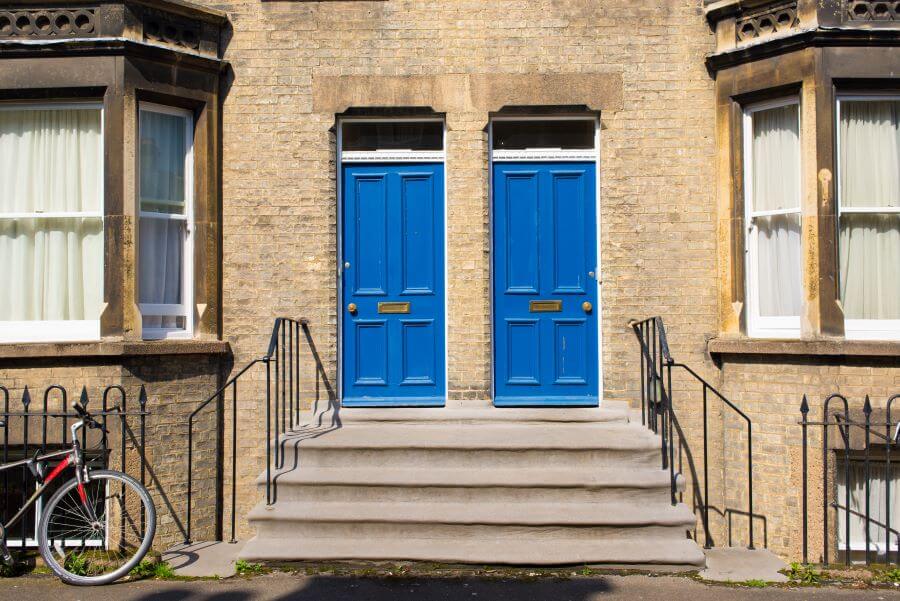
Upgrading to energy-efficient windows and doors is another effective way to enhance home efficiency, especially if you have old fashion sash windows. These modern fixtures are designed to reduce heat loss, prevent drafts, and improve overall energy performance.
Double or triple-glazed windows with low-emissivity (Low-E) glass can significantly reduce heat transfer. These windows have a special coating that reflects heat back into the room, keeping it warmer in winter and cooler in summer. Additionally, they help reduce noise pollution, creating a quieter indoor environment.
Energy-efficient doors are equally important. Solid wood or insulated metal doors with proper sealing can prevent drafts and enhance security. Replacing old, worn-out doors with new, energy saving models can make a noticeable difference in home comfort and energy consumption.

Advanced Wall Insulation Techniques
Wall insulation is another crucial aspect of creating an energy-efficient home. Proper insulation of walls helps to maintain a consistent temperature indoors, reducing the reliance on heating and cooling systems. This results in lower energy bills and a more comfortable living environment.
There are two primary types of wall insulation: cavity wall insulation and solid wall insulation. Cavity wall insulation involves filling the gap between the inner and outer walls with insulating material, such as foam or mineral wool. This process is relatively straightforward and can significantly improve the thermal efficiency of homes built with cavity walls. This is not usually something to undertake as a DIY project though, I’d recommend using an expert.
Solid wall insulation, on the other hand, is necessary for homes without cavities. This type of insulation can be applied either externally or internally. External wall insulation involves attaching insulating panels to the outside of the building, then covering them with a protective render or cladding.
This method is highly effective but can alter the appearance of the property, something that may detract from the beauty of our county. Internal wall insulation involves fixing insulating boards to the inside walls, which can reduce room space slightly but maintains the building’s exterior appearance. Both methods of wall insulation offer substantial energy savings and can make older properties much more efficient.
Underfloor Insulation Solutions
Underfloor insulation is often overlooked, yet it plays a vital role in preventing heat loss from the ground up. Homes with suspended floors, typically found in older properties, can benefit greatly from underfloor insulation. This type of insulation involves placing insulating material between the floor joists to create a thermal barrier.
Modern materials such as foam boards or reflective foil are commonly used for underfloor insulation. These materials are effective in reducing heat loss and can also help to prevent drafts coming up through the floorboards.
Installing underfloor insulation can be a more challenging DIY project compared to loft or wall insulation. It often requires lifting floorboards to access the joists and may involve some degree of carpentry. However, the benefits of a warmer home and reduced energy bills make it a worthwhile investment.
Regardless if you are using gas or electricity to heat your home, reducing heat loss will reduce bills. Even if you have solar panels, it’s worth doing.