Oxfordshire’s National Trust and English Heritage places range from country houses and gardens to Roman ruins, prehistoric monuments and open countryside. Some charge admission; others are free to enter but have parking charges or limited access.
I have a lifetime National Trust membership, and this guide brings together places to consider around the county. It also includes the independently managed Rollright Stones and Rycote Chapel, with their different admission arrangements explained below.
Before you travel
Visitor information checked on 16 October 2026. The standard admission prices below exclude optional Gift Aid donations. House opening days vary by season, and gardens may open when houses are closed: use each property’s linked calendar for your visit date. Membership does not remove booking requirements or cover every event or independently managed attraction.
North Hinksey Conduit House opens only for scheduled events. North Leigh’s mosaic is covered except on special open days. Rycote Chapel’s regular opening season runs from April to September.
The map also includes nearby Stowe Gardens, Cliveden and Basildon Park, which are outside Oxfordshire. Use the operators’ directions for visitor entrances and parking.
National Trust places in Oxfordshire
Ashdown House
Ashdown House is a 17th-century house near Lambourn, with a Berkshire postal address, RG17 8RE. The house is privately occupied: visits cover the entrance hall, staircase and roof, rather than the residential rooms. Reaching the roof involves 100 steps, so the tour is not step-free.
- Visits: pre-book a guided tour. The advertised season is April to October, with tours on Wednesdays and Saturdays at 2pm, 3pm and 4pm; check availability before travelling.
- Standard admission: adults £7.50; children aged 5–17 £4; under-fives free. National Trust members enter free but still need to book.
- Facilities and dogs: toilets are at reception. Dogs on leads can use the woodland walks, but cannot join the house tour.
Nuffield Place
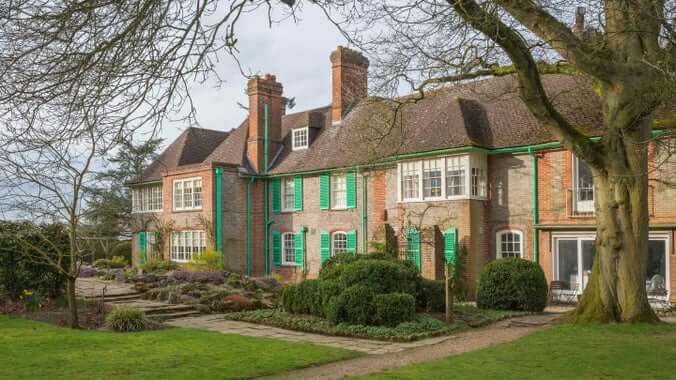
Nuffield Place, near Huntercombe, RG9 5RY, was the home of motor manufacturer and philanthropist Lord Nuffield. Its house and garden make a different kind of visit from a grand ancestral estate.
- Standard admission: adults £14; children £7; family £35. National Trust members enter free.
- House visits: advance booking is strongly recommended for the morning guided tours, which frequently fill up. Afternoon visits are self-paced; check the calendar for opening dates.
- Access and facilities: a stairclimber for the upper floor must be arranged at least seven days ahead. There are toilets and a refreshments kiosk.
- Dogs: allowed on leads in the garden and woodland, Common Room and bookshop; only assistance dogs enter the house.
Buscot Park
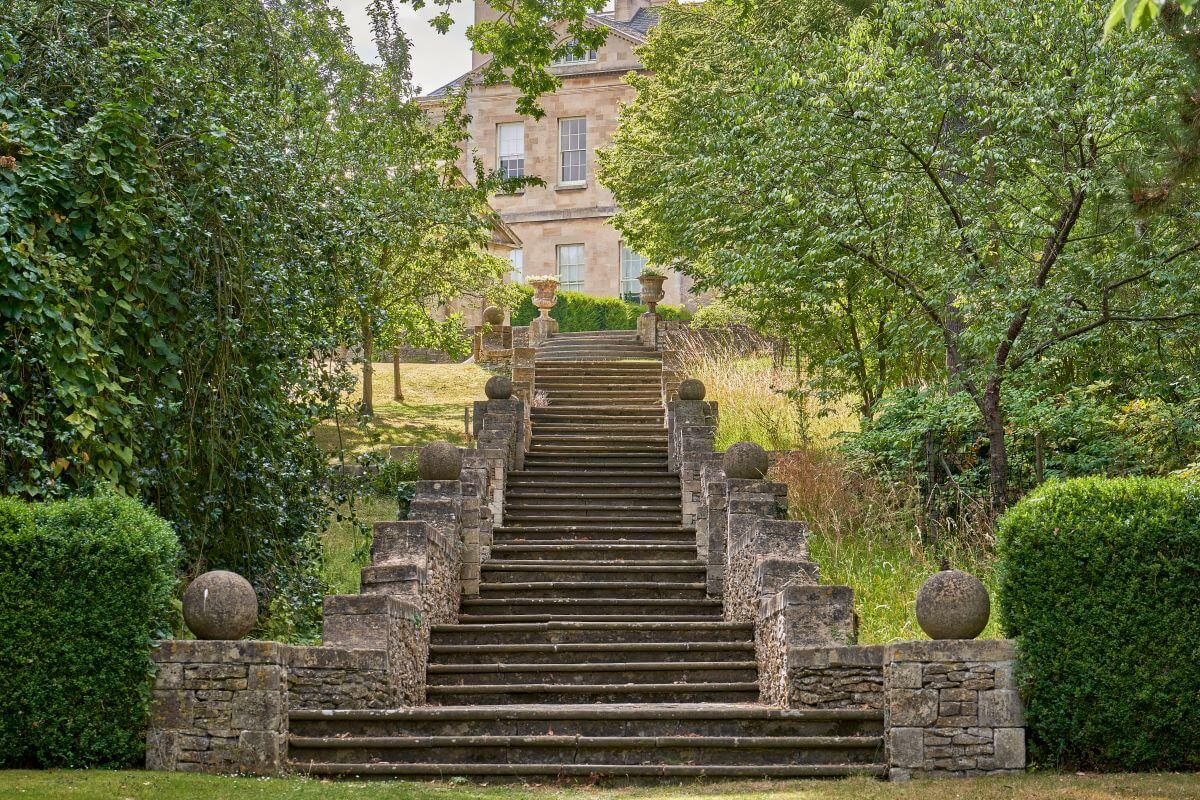
Buscot Park, near Faringdon, SN7 8BU, combines a country house, art collection and formal gardens. Although owned by the National Trust, it is administered by Lord Faringdon and his family.
- Admission: house and grounds £14 adults, £7 children and £12 over-65s; grounds only £10 adults, £5 children and £8 over-65s. National Trust members and under-fives enter free. All visitors, including members, need an admission ticket.
- Opening: seasonal; the house and grounds have different opening arrangements. Check the dated calendar.
- Access: the house has no level access and is unsuitable for wheelchairs and walking aids. Mobility vehicles and wheelchairs are available for the grounds.
- Facilities: parking, toilets and a tea-room. Pet dogs are restricted to the paddock/overflow car park; check assistance-dog arrangements with the property.
Buscot and Coleshill Estates
The Buscot and Coleshill Estates offer village, farmland and riverside walks. These countryside routes are separate from the ticketed house and formal gardens at Buscot Park.
Buscot village parking costs £2 for up to two hours or £4 for the day, with free parking for National Trust members following the registration instructions. Coleshill has parking and a café at the Carpenters Yard, normally open Tuesday to Sunday, with an accessible toilet. There are also toilets near Buscot’s tea-room. Keep dogs under control and on leads around livestock.
Several official walking routes are linked below, with distances to help you choose a manageable outing.
Chastleton House
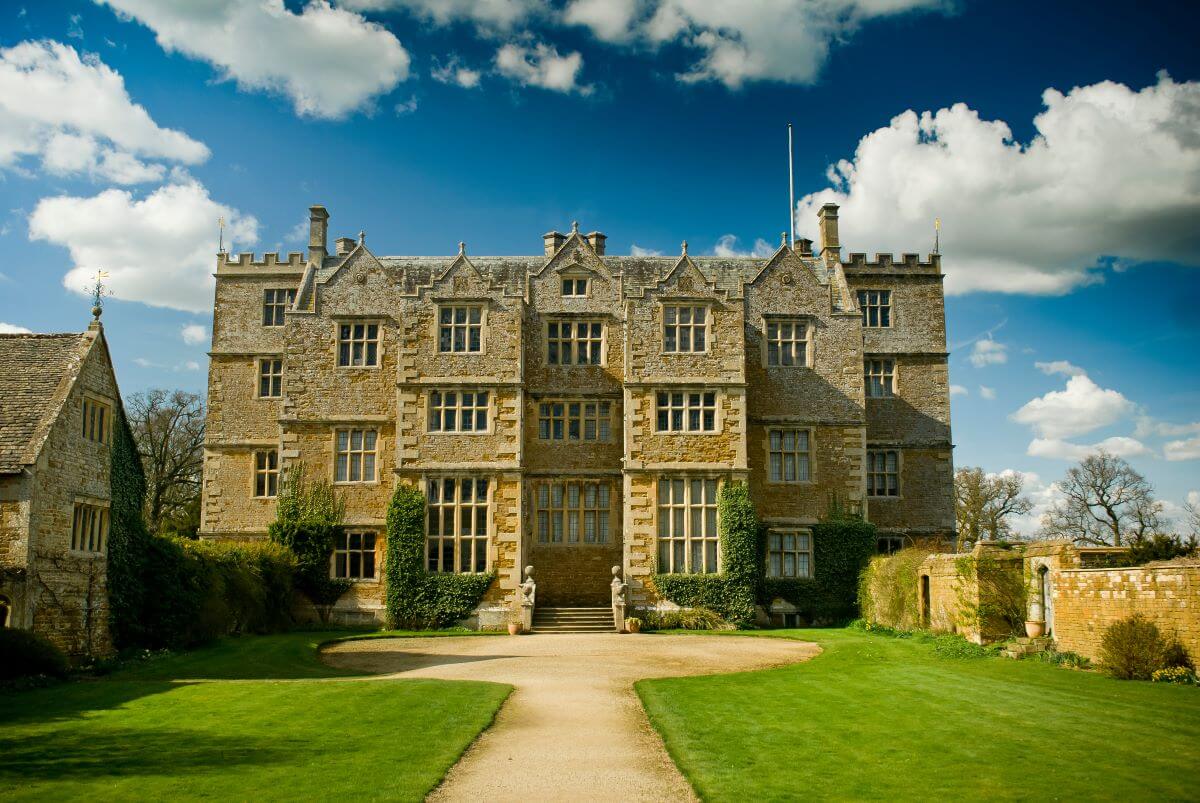
Chastleton is a Jacobean house near Moreton-in-Marsh. For driving directions, the National Trust advises using GL56 0SP and then following the brown signs from the A436, rather than relying on the property’s postal address.
- Standard admission: adults £15; children £7.50; family £37.50. National Trust members enter free.
- Opening: check the house and garden calendar; the last admission is an hour before closing.
- Access: there is no step-free access to the house. Wheelchair access inside is limited to the ground floor. Accessible toilets are available.
- Dogs: on leads in the car park, parkland, forecourt and stableyard. Only assistance dogs may enter the house and garden.
Do not plan on a National Trust tea-room as part of this visit; check the property’s current facilities information before relying on refreshments.
Greys Court
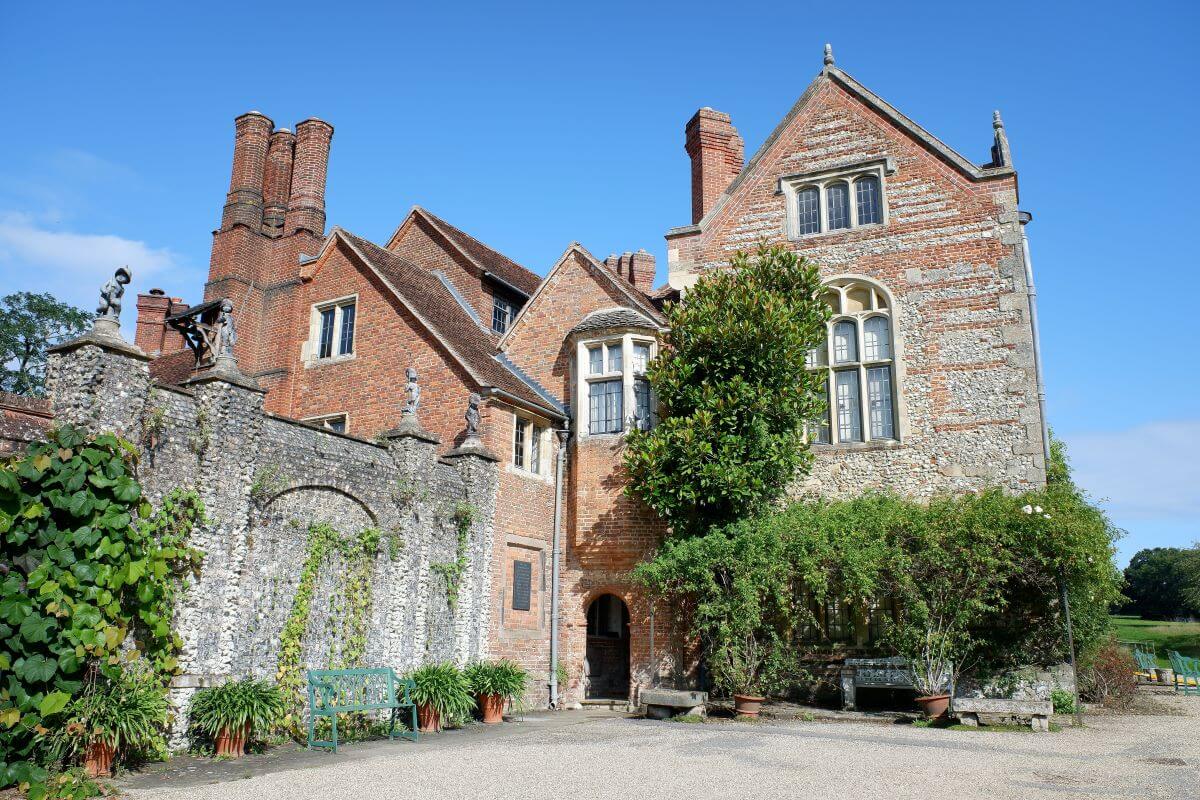
Greys Court, at Rotherfield Greys near Henley-on-Thames, RG9 4PG, brings together a 16th-century house, walled gardens and earlier ruins.
- Standard admission: adults £19; children £9.50; family £47.50. Parking is included in admission; National Trust members enter free.
- Opening: the house and gardens have separate seasonal hours and last-entry times. Check both when planning your day.
- Facilities: a tea-shop, toilets and play area. The grounds are partly accessible; a stairclimber for the house must be booked at least seven days ahead.
- Dogs: on leads on the estate; only assistance dogs enter the house and walled gardens.
Great Coxwell Barn
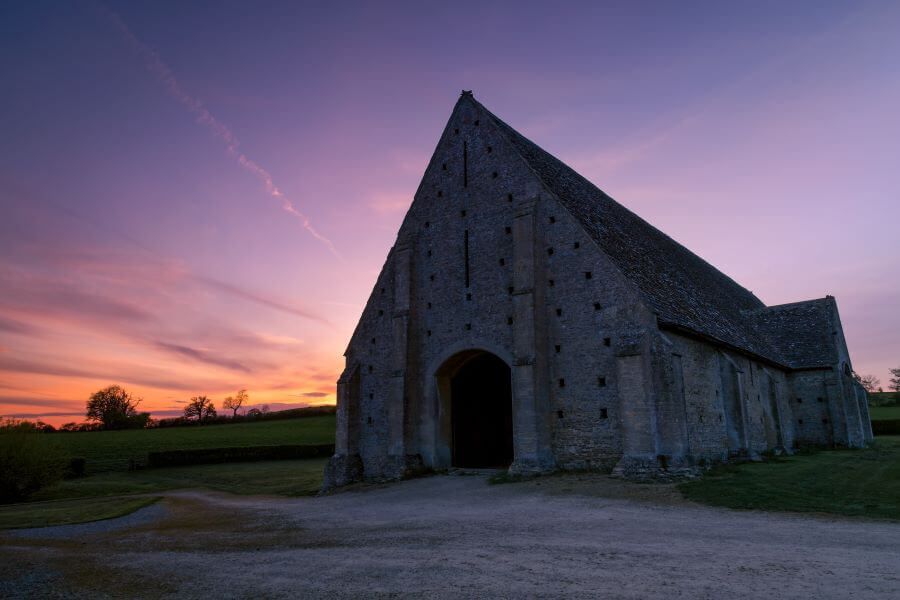
Great Coxwell Barn, SN7 7LZ, is a 13th-century stone barn associated with Beaulieu Abbey. It is free to visit from dawn to dusk.
Parking is limited to a layby. The interior is on one level but unlit, with uneven flooring; there are no toilets or café on site. Keep dogs on leads or under close control. The barn can be combined with a walk towards Badbury, using the official route below.
White Horse Hill
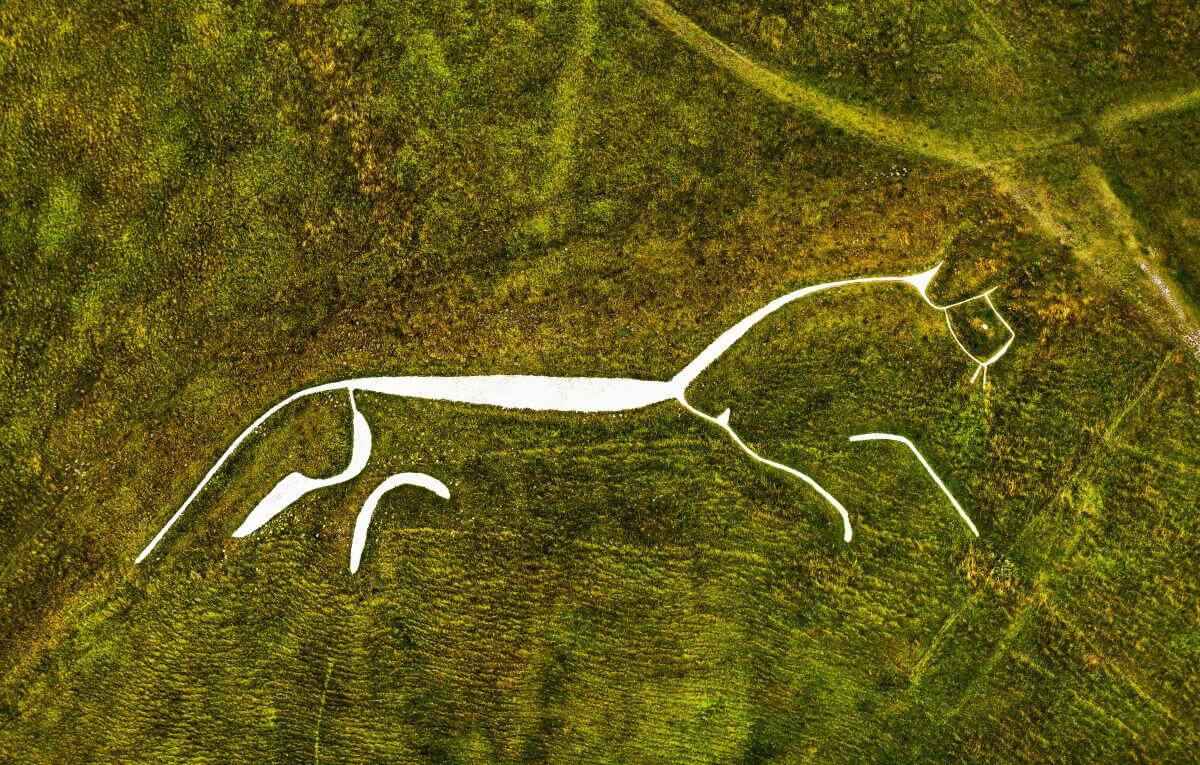
White Horse Hill includes the Uffington White Horse and the surrounding chalk landscape. The National Trust manages Uffington Castle, the White Horse and Dragon Hill on behalf of English Heritage, so the two organisations’ listings overlap.
The landscape is free to visit from dawn to dusk. White Horse Hill car park, SN7 7QJ, costs £2 for up to two hours or £4 for the day. National Trust members should register for free parking as directed at the machines or through JustPark. English Heritage members also qualify for free parking: follow the property’s instructions for displaying membership evidence without personal details. Blue Badge holders park free.
The ground is uneven and steep in places. Dogs must be on leads to protect grazing animals and nesting birds. See the Uffington and Wayland’s Smithy entries below for the connected monuments.
Badbury
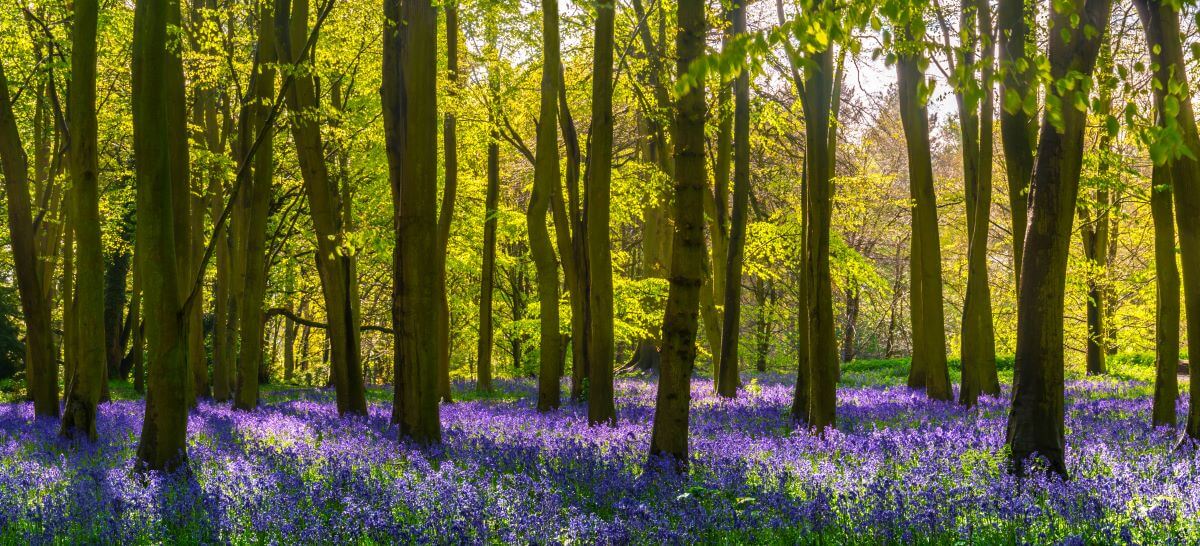
Badbury, near Faringdon, SN7 7NL, is a wooded Iron Age hillfort known for its spring bluebells. The site is open from dawn to dusk; follow local signs because satnav directions can be unreliable.
Parking costs £2 for up to two hours or £4 for the day, with free parking for National Trust members who register their visit. Paths are uneven and there are no on-site toilets. Keep dogs under close control.
Watlington Hill
Watlington Hill, off Hill Road, OX49 5HS, offers Chiltern views and walking routes of very different lengths. The short walk is 1.5 miles and takes about an hour; the longer circular walk is seven miles.
The short route has soft paths and a steeper descent, and is not wheelchair accessible. There is paid parking, free to National Trust members. Keep dogs under control and choose footwear for the ground conditions.
National Trust walking trails in Oxfordshire
These are the distances published for the linked routes, rather than estimates between attractions. Download the operator’s directions before setting off; wet weather can make field and woodland paths muddy.
- Watlington Hill short walk: 1.5 miles, about one hour.
- Watlington Hill circular walk: seven miles, about 3½ hours. A challenging route with steep sections, stiles and road crossings.
- White Horse Hill to Ashdown: 7.7 miles, about four hours. Includes climbs, road crossings and potentially muddy paths.
- Coleshill green walk through Cuckoo Pen Wood: four miles, about 1½–2 hours. Mainly flat, but uneven, with stiles and gates.
- Coleshill parkland walk: 1.8 miles on a mown grass route.
- Ancient history and agriculture walk: four miles, taking in Great Coxwell and Badbury.
- Thames walk towards Kelmscott: five miles.
English Heritage places in Oxfordshire
Several of these monuments are free, unstaffed sites. That does not mean they have toilets, cafés, unrestricted vehicle access or step-free paths. Some are cared for by local partners.
Abingdon County Hall Museum
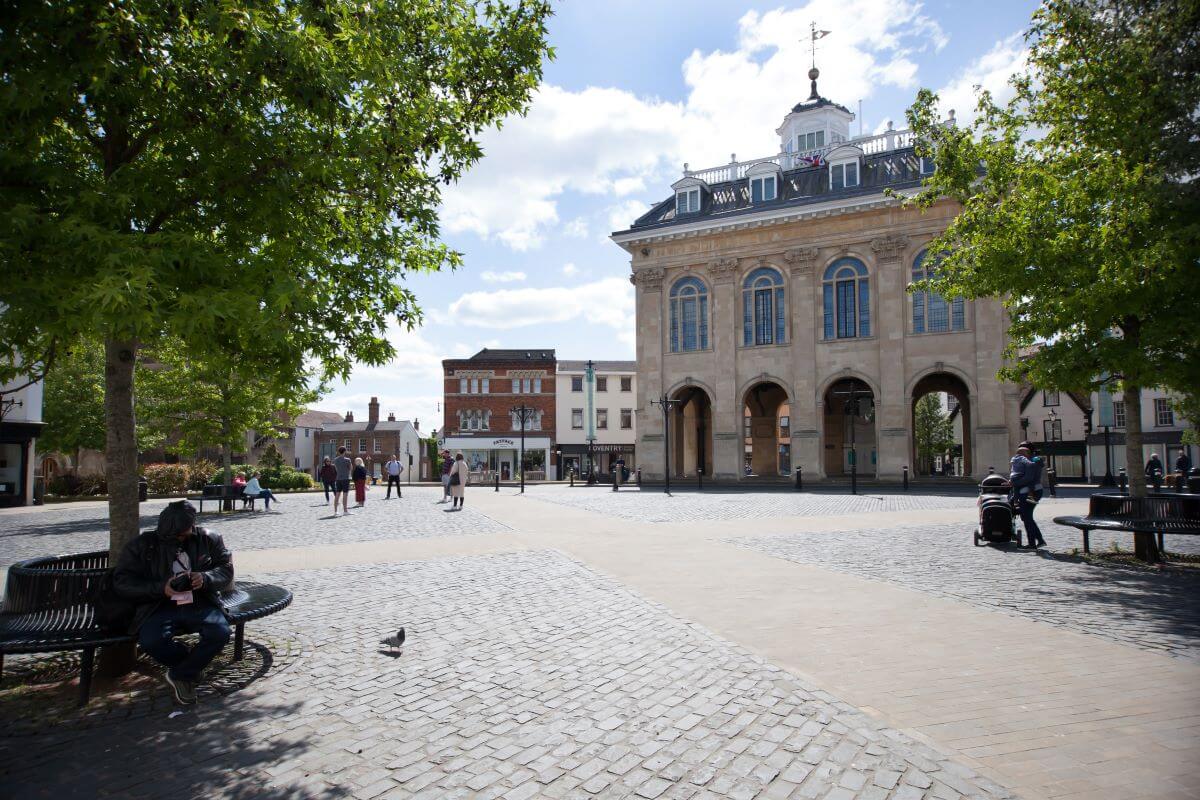
Abingdon County Hall Museum, OX14 3HG, occupies the Baroque building constructed in 1678–82. Museum entry is free, but visits to the roof are charged separately.
The advertised hours are Tuesday to Sunday, 10am–4pm, plus bank holiday Mondays, excluding the Christmas and New Year closure. Check special closures before travelling.
Access matters here: there are more than 120 steps to the roof. A small lift serves the cellar only, not the museum gallery or roof. Only assistance dogs are admitted.
Earthworks of Deddington Castle
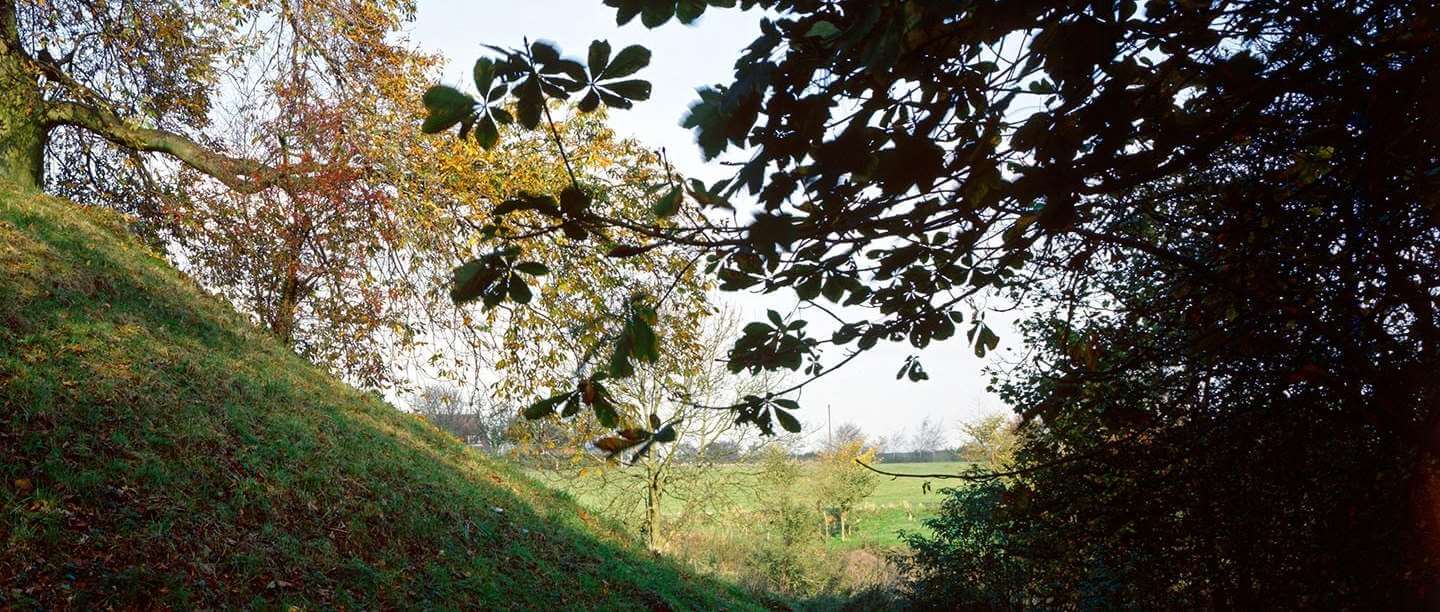
Deddington Castle survives as the earthworks of an 11th-century castle. Visitors should expect grassy banks and open ground, rather than walls and furnished rooms.
Entry is free during daylight hours. The entrance is between two pillars on Castle Street, near Hopcraft Lane. The earthworks have uneven ground and slopes; dogs must be kept on leads.
Minster Lovell Hall and Dovecote
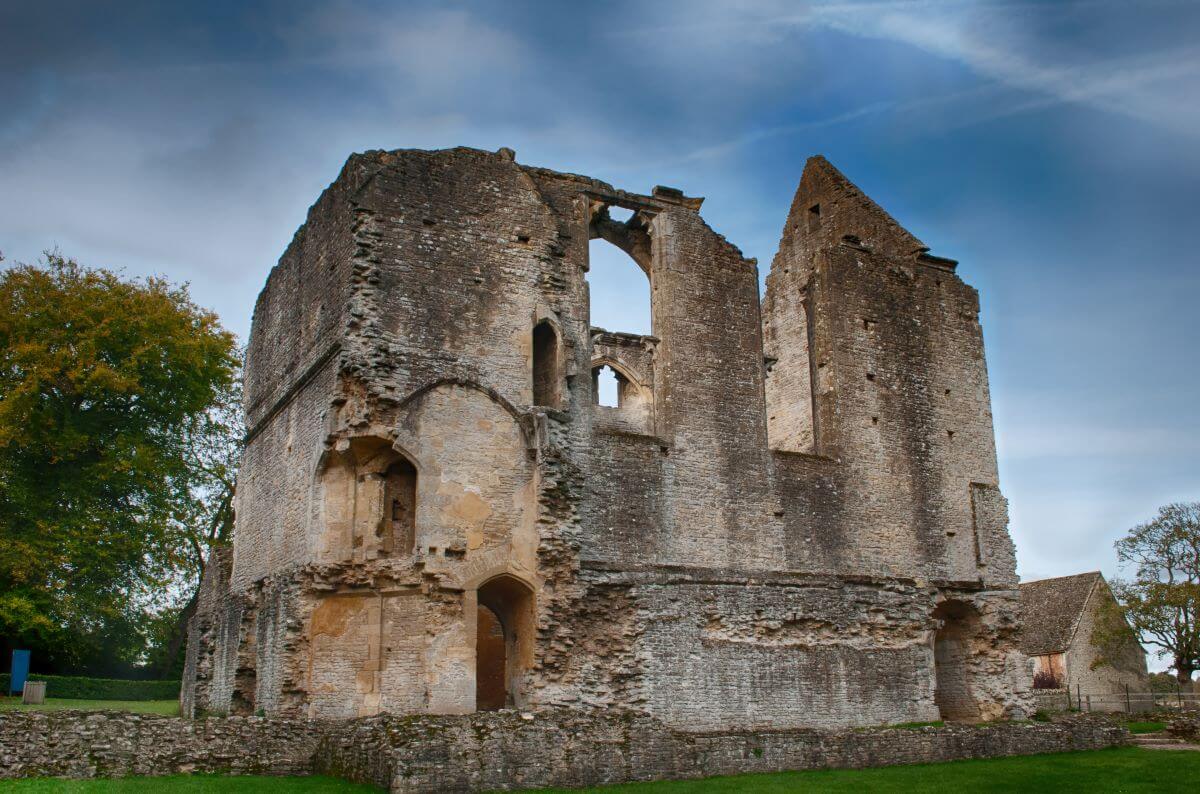
Minster Lovell Hall was built in the 1430s for William, Baron Lovell. Its roofless ruins are free to visit during daylight hours. The dovecote is about 100 metres away and can be viewed from outside only.
Do not drive down the dead-end approach lane expecting to park or turn around. English Heritage says parking and turning are not permitted there. If space is available, the small St Kenelm’s church car park is about a five-minute walk away.
There are no toilets. Keep dogs on leads, do not climb the ruins, and take care beside the river, where the water can be deep.
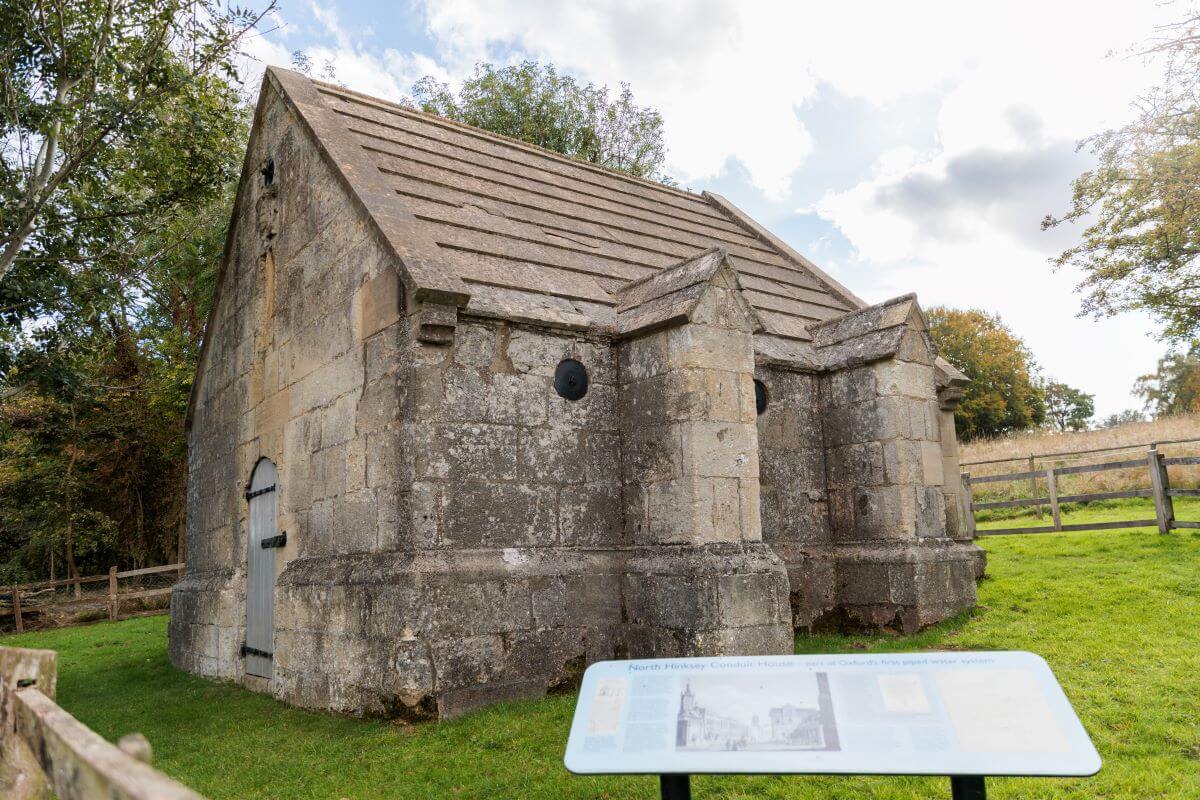
North Hinksey Conduit House
This is a 17th-century water-supply building, not a medieval chapel. Built around 1610–17, it collected spring water for Oxford’s early piped supply. Oxford Preservation Trust cares for it on behalf of English Heritage.
English Heritage’s visitor information says access is through pre-scheduled guided visits and special events, with no opening from October to April. Do not rely on the Thursday–Sunday opening hours previously given in this guide. Look for a confirmed event before making a journey specifically to enter the building.
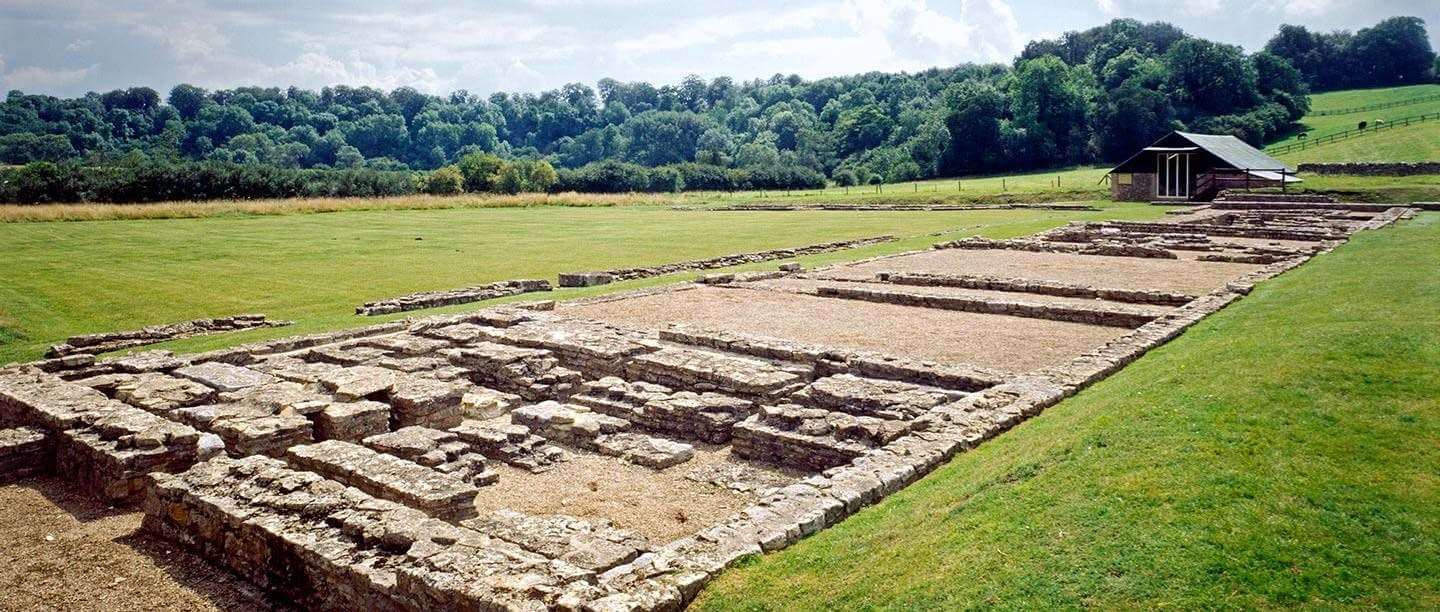
North Leigh Roman Villa
The excavated walls of North Leigh Roman Villa are open to visitors throughout the year. The fourth-century mosaic is under a protective covering and is revealed only during special Mosaic House open days, so it should not be promised as part of an ordinary visit.
Entry is free. A small roadside layby leads to an approximately 0.5km farm-track walk, which can be uneven and muddy and may be unsuitable for wheelchairs. There are five steps into the Mosaic House. There are no on-site facilities. Dogs are allowed on leads around the site, but not inside the Mosaic House on open days.
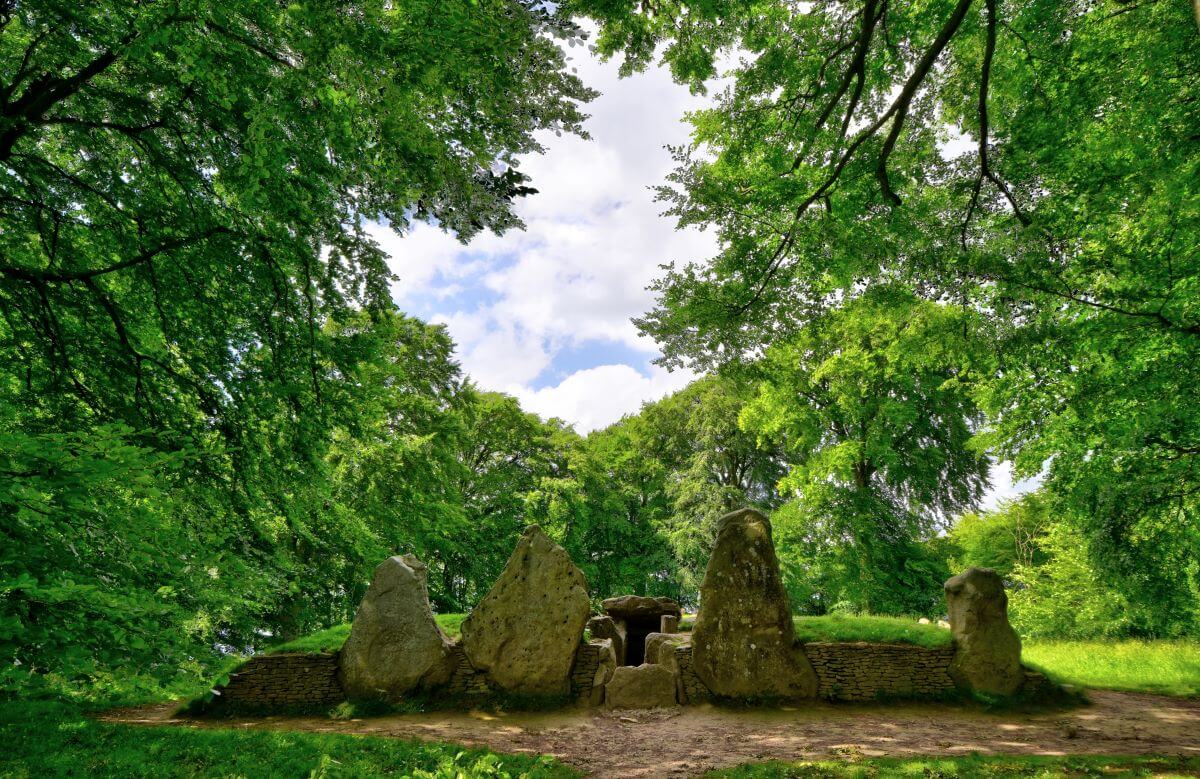
Wayland’s Smithy
Wayland’s Smithy is a Neolithic burial monument beside the Ridgeway. Its name comes from the legend of Wayland the smith; the folklore should not be confused with the archaeological history.
The site is free to visit during daylight hours and lies just over a mile on foot from White Horse Hill car park. Use the parking arrangements in the White Horse Hill entry above. The walk is exposed and uneven in places, and dogs must be kept on leads.
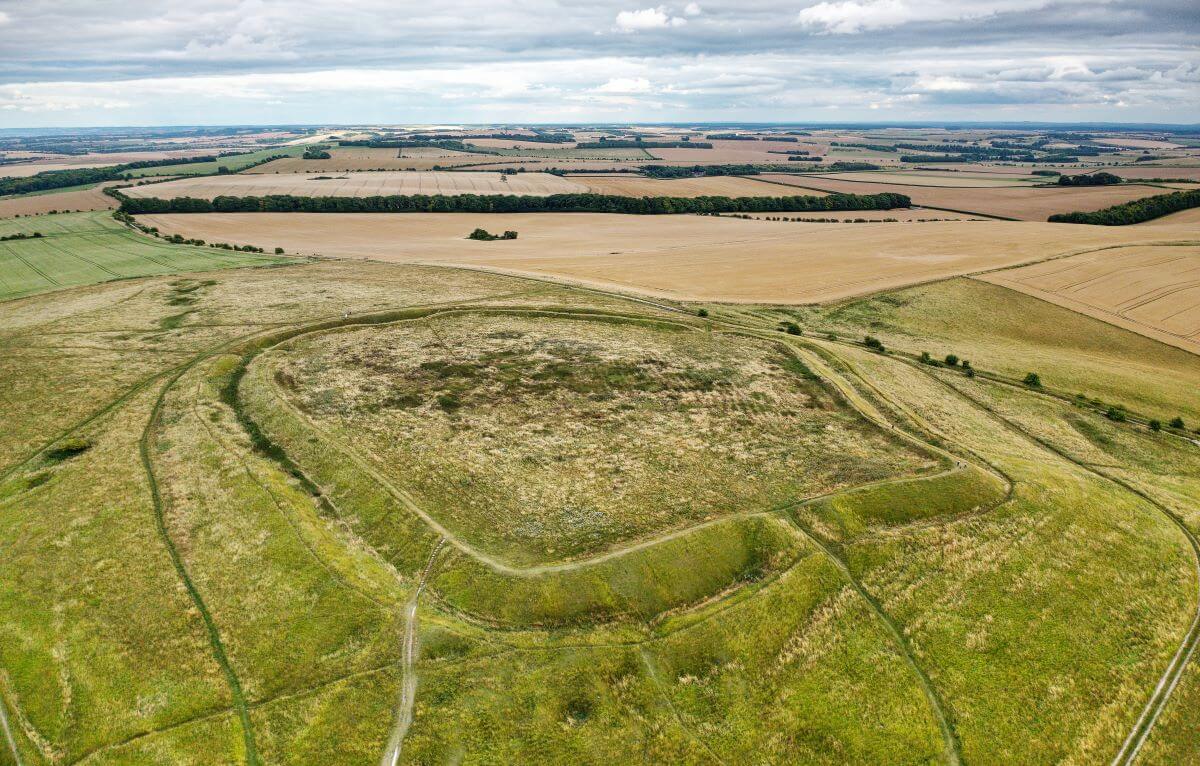
Uffington Castle, White Horse and Dragon Hill
Uffington Castle is an Iron Age hillfort beside the White Horse. Dragon Hill is associated with a legend about St George and the dragon, rather than an established historical event.
This is the same landscape described under White Horse Hill above, managed by the National Trust on behalf of English Heritage. Entry is free during daylight hours. Paths can be steep and slippery, and dogs must be on leads. National Trust and English Heritage members both qualify for free parking when following the published arrangements.
Other heritage places: Rollright Stones and Rycote Chapel
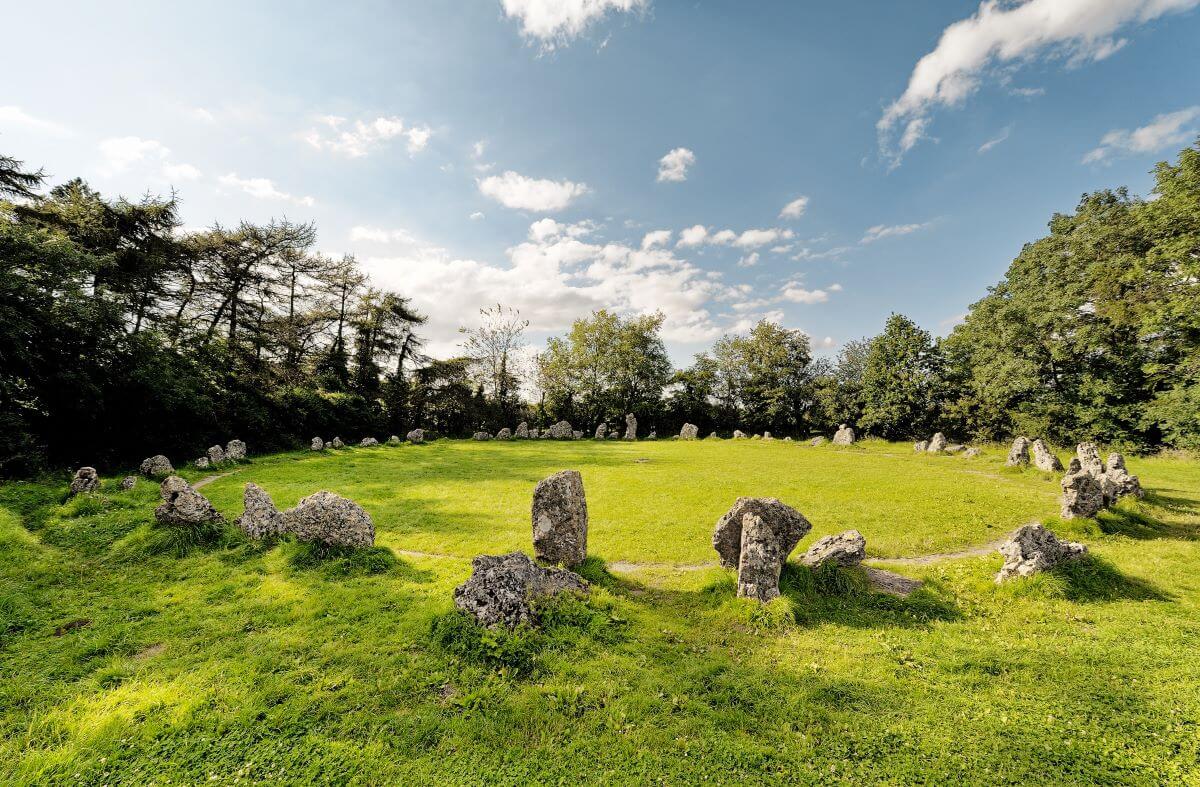
Rollright Stones
The Rollright Stones, near Chipping Norton, OX7 5QB, are owned and managed by the Rollright Trust. An English Heritage web listing does not make them an English Heritage-operated property.
Ordinary visits by individuals and small family groups do not require booking. Entry costs £2 for adults and £1 for children aged 7–16. The site normally opens all year, subject to event, maintenance or safety closures. Organised activities require advance permission.
The two small parking laybys can fill quickly. Keep dogs on leads, away from the stones and outside the stone circle; do not climb the stones.
Rollright road closure, autumn 2026: the Trust says the approach from the A44 at the Greedy Goose is closed from 1 September to 6 November 2026. The stones remain open, with access from the eastern side via Chipping Norton. Follow the published diversion advice rather than the closed approach.
Rycote Chapel
Rycote Chapel, at Rycote Park near Thame, OX9 2PE, is a privately managed 15th-century chapel with later historic furnishings.
Regular opening is Friday, Saturday and Sunday, 1.30pm–5.30pm, from April to September, or by appointment. This is not a year-round weekend schedule. Admission is £8 for adults or £4 for concessions, including National Trust, English Heritage and Historic Houses members. Membership provides the stated concession here, rather than free admission. Contact the chapel before arranging an out-of-season visit; coaches are not admitted.
Membership and planning your visit
The National Trust is a conservation charity caring for historic places and landscapes across England, Wales and Northern Ireland. English Heritage is a separate charity caring for historic sites in England. Their memberships are separate, and a place mentioned on either website may have its own management and admission conditions.
National Trust membership includes entry to the places covered by its membership scheme and free parking at most of its car parks, except for junior memberships. Some car parks are operated by others. Follow the signs and registration instructions rather than assuming that displaying an old window sticker is enough.
English Heritage membership covers admission to its participating sites, but some larger events carry an additional charge. Several Oxfordshire monuments in this guide are free to everyone already.
Compare the membership price with the paid visits and parking you actually expect to use. It is not possible to promise that a membership will pay for itself for every family or holiday.
For a house visit, check the last admission as well as closing time. For countryside sites, plan for uneven ground and limited facilities. Where a stairclimber or other access support needs advance notice, arrange it with the property before travelling.
Advertisement — affiliate link. We may earn a commission if you buy through the following advertisement.

Things to do in Oxfordshire Guides