On average, 19 people in the UK take their own life every day. As World Suicide Prevention Day approaches (tomorrow, 11th September), Oxfordshire’s largest independent mental health charity is calling for a broader approach to suicide prevention, one that begins long before someone reaches crisis point.
Response, which supports up to 550 people living with severe mental illness at any one time, says that ensuring safe housing, social connection, and purpose in daily life are just as important to suicide prevention as crisis helplines. The charity runs more than 200 homes and flats across the county, providing stable accommodation alongside tailored, trauma-informed support to help people work towards independent living.

Rising demand, growing risks
New NHS data shows the scale of the challenge. The proportion of people aged 16–74 reporting suicidal thoughts has almost doubled since 2000, rising from 3.8% to 6.7%. The pandemic, the cost of living crisis and mounting pressures on services have left charities and the NHS struggling to meet demand.
For Nicola Leavesley, CEO of Response and Chair of the Oxfordshire Mental Health Partnership, the message is clear: support must not be confined to emergency intervention.
“Suicide prevention methods are not exclusive to the moment a person is considering taking their own life, it must begin long before a person’s moment of crisis,” she said.
“Strong foundations are absolutely essential to aiding recovery. At Response, that means safe housing, opportunities to connect with others, and ensuring basic needs are met. Everyone matters, and it is our responsibility to make sure people can access support without judgement, for life if needed, and build a sense of self-worth.”
Partnership approach
Response is a founding member of the Oxfordshire Mental Health Partnership, which next month marks its tenth anniversary. The partnership brings together six organisations — Connection Support, Elmore Community Services, Oxford Health NHS Foundation Trust, Oxfordshire Mind, Response and Restore, to pool expertise and resources.
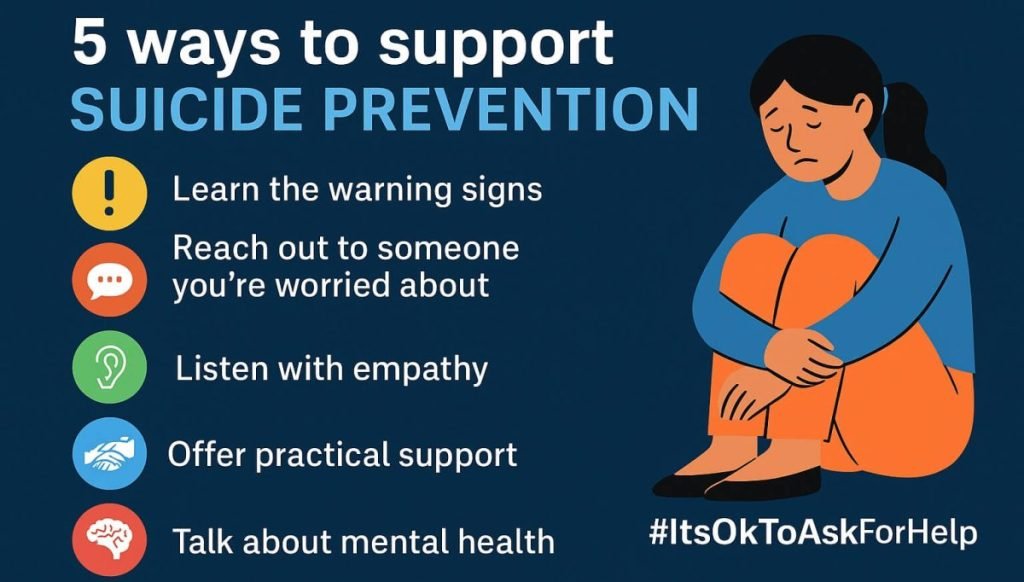
To mark World Suicide Prevention Day, all six groups will coordinate awareness campaigns under the hashtag #ItsOkToAskForHelp, encouraging residents to talk openly about mental health and to learn simple, practical strategies to support someone in distress.
“A collaborative approach is essential to ensuring each of our services operate to their best potential,” Leavesley said. “Right now, demand far outweighs resources. That’s why increasing public awareness of prevention strategies, active listening, reducing stigma, knowing how to help, is so urgent.”
The bigger picture
The UK’s suicide rate remains one of the leading causes of death among men under 50, while women and young people are also increasingly at risk. Campaigners argue that building resilience within communities, through housing, education, and open conversations, is as important as specialist clinical support.
For charities such as Response, the goal is not just to intervene in crisis, but to prevent people from reaching it in the first place.
More information about Response’s services can be found at response.org.uk.
Where to get help
Anyone experiencing suicidal thoughts should not feel ashamed asking for help, which is available below:
- NHS urgent help: dial 111 and select option 2
- Text SHOUT to 85258 to speak a professional via text message.
- Samaritans: Call 116 123 free, 24/7 or visit their Oxford Branch
- Oxfordshire Safe Haven: 01865 903 037
- Mind Infoline: 0300 123 3393
At a glance: Suicide prevention in Oxfordshire
- 19 people in the UK die by suicide each day.
- The proportion of adults reporting suicidal thoughts has risen from 3.8% (2000) to 6.7% (2023).
- Response supports up to 550 people at any one time across Oxfordshire.
- The Oxfordshire Mental Health Partnership: Response, Oxfordshire Mind, Oxford Health NHS Foundation Trust, Elmore Community Services, Connection Support, and Restore, marks its 10th anniversary this year.
- All six will take part in World Suicide Prevention Day on 11th September with the campaign #ItsOkToAskForHelp.