

















UK inflation has risen more sharply than expected, climbing to 3.8% in July on the back of higher food, fuel and air fares. The figure, above economists’ forecasts of 3.7%, marks the tenth consecutive month above the Bank of England’s 2% target and makes another interest rate cut this year increasingly unlikely.
The Bank trimmed rates to 4% earlier this month, the first cut since 2020, but markets are now betting that policymakers will pause for the rest of the year. In trading terms, the UK economy feels stuck in a sideways market: inflation is refusing to fall back to target, interest rates are on pause at 4%, and both borrowers and savers are waiting to see which way the next breakout comes.”
For households and investors alike, the message is clear: expect higher borrowing costs to persist for longer.
A stubborn problem for the Bank of England
Inflation has now remained above the Bank’s 2% target for ten consecutive months. Much of July’s increase was explained by seasonal travel costs: air fares surged by almost 30% compared with June as families headed abroad at the start of the school holidays. Petrol prices, which had fallen a year ago, edged higher and contributed to the upward move, while food inflation picked up to 4.9% on the year.
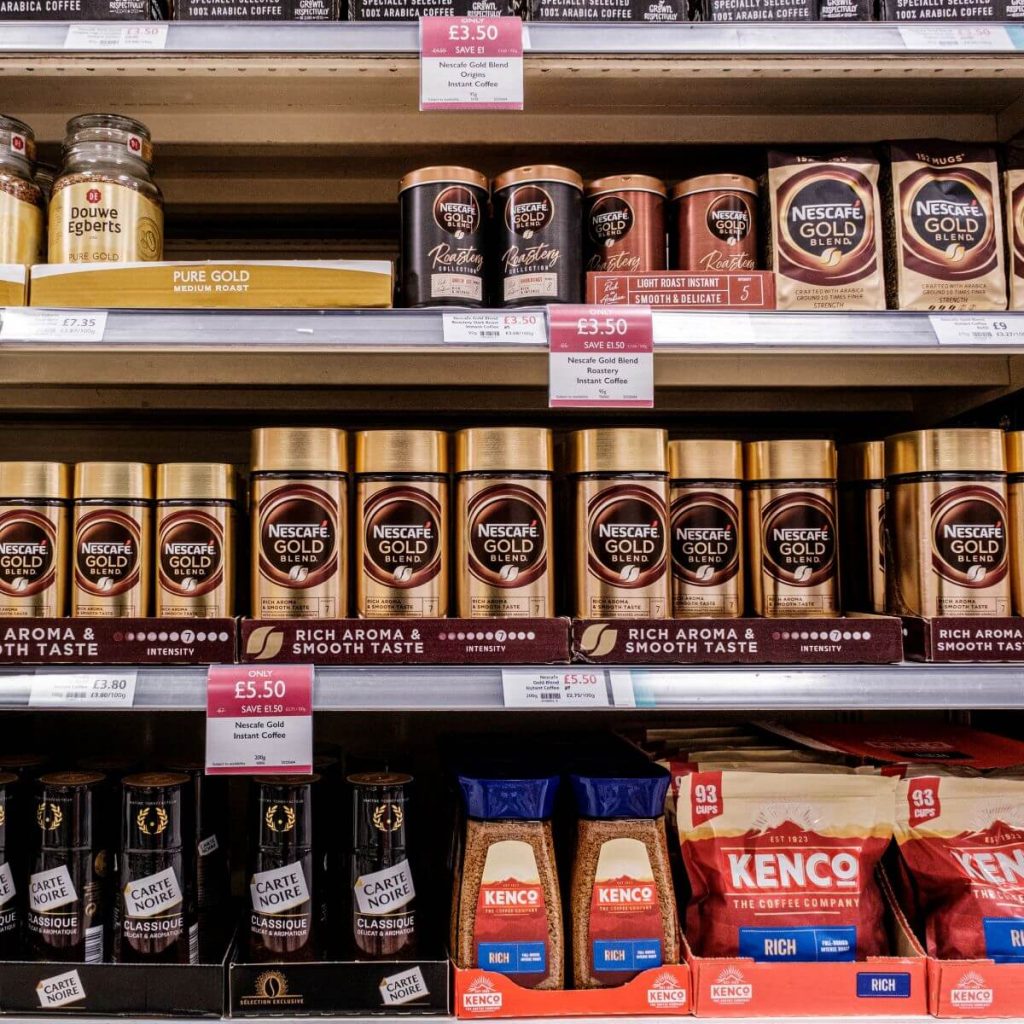
Analysts warned that droughts across Spain, Italy and Portugal — key suppliers of fruit and vegetables to the UK — are pushing up food costs just when prices would normally fall. Beef, coffee and chocolate were also among the items driving grocery bills higher.
The data underlines the difficulty facing policymakers at the Bank of England. Having cut rates to 4% earlier this month, the Monetary Policy Committee had hoped the path was clear for a gradual loosening of monetary policy. Markets are now pricing in no further cuts until spring 2026, with several MPC members still concerned that wage pressures and food costs could keep inflation elevated.
What it means for mortgages
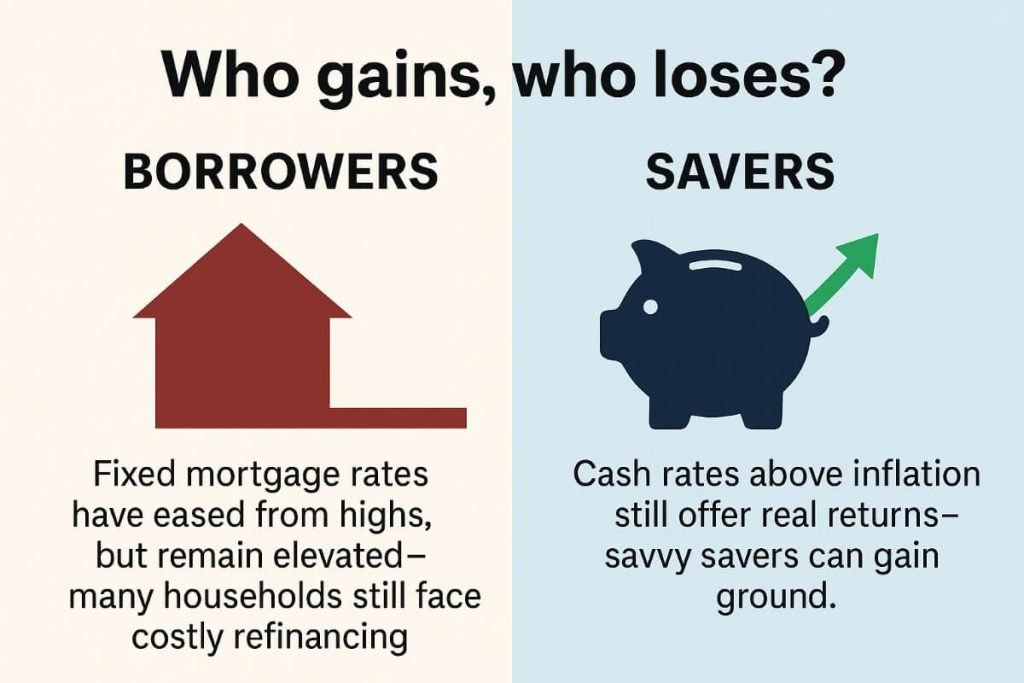
For millions of homeowners, the figures mean little prospect of relief on borrowing costs. More than 1.5 million households are expected to come to the end of fixed-rate deals over the next year, many facing jumps of several hundred pounds a month in repayments.
Brokers are urging borrowers to plan ahead. Many lenders will allow customers to secure a new fixed rate up to six months before their existing deal expires. While mortgage rates have eased slightly from last year’s highs, they remain far above the levels many households had grown used to during the era of ultra-low interest rates.
The choice between locking into a fixed deal and gambling on a variable rate is now finely balanced. Shorter two-year fixes may appeal to those who believe rates will begin to fall in 2026, but trackers carry the risk of further volatility if food and energy prices stay stubbornly high.
The other side of the coin: savers
If there is one silver lining, it is for savers. After years of paltry returns, banks and building societies are still offering deals above 4% on easy-access accounts, with fixed-rate bonds paying even more. With inflation at 3.8%, that means cash savers can, for the first time in a generation, beat rising prices, provided they are willing to move their money.
The gap between high-street giants, which often pay less than 2%, and challenger banks is stark. Financial advisers say households should not assume loyalty will be rewarded; switching providers has become the simplest way to ensure savings keep pace with the cost of living.
A good example is the 2% on offer from Santander, versus the Santander owned Cahoot with 4.40% available.
Investors: Stuck in the waiting room
For investors, the story is one of uncertainty rather than panic. Higher inflation makes gilts less attractive in theory, but with two-year yields above 4%, short-dated government bonds now offer a credible, low-risk alternative to cash.
Equities face a mixed picture: consumer-facing businesses will struggle with squeezed demand, but exporters could benefit from sterling weakness. “Sticky inflation means the Bank can’t move as quickly as markets had hoped,” says one City fund manager. “That creates volatility, but volatility is often opportunity for long-term investors.”
The case for steady investing
For retail investors, the lesson is familiar: avoid trying to time the market. Regular contributions to ISAs and pensions smooth out volatility and give exposure to equities’ long-term inflation-beating power.
Sectors with pricing power; healthcare, energy, consumer staples, are often resilient during inflationary spells, but most experts stress diversification. A mix of cash, bonds and equities remains the best defence against uncertainty.
From saver to investor?
With savings rates above inflation, many households may feel no need to take on extra risk. But advisers note that cash rarely keeps up with rising prices over the long run. For people who have built an emergency buffer in savings, the current environment may be a moment to consider investing for the first time.
The advantage of investing is long-term growth that typically outpaces inflation; the drawback is volatility. Financial planners often stress that the two aren’t mutually exclusive: keeping three to six months’ expenses in cash while drip-feeding small amounts into diversified funds is one way beginners can balance security with growth.
Knock-on effects across daily life
The inflation figures will also filter into other areas of household spending. Regulated rail fares in England could rise by 5.8% in January, since the formula is tied to July’s retail prices index, which came in at 4.8%. Energy bills are also forecast to nudge higher in October after analysts at Cornwall Insight predicted a 1% rise in the cap.
The combination of stubborn inflation and limited wage growth is likely to sharpen political tensions. Public sector unions are expected to press for higher pay settlements as the cost of food and travel continues to rise, while ministers seek to contain spending.
The bigger picture
Economists at the National Institute of Economic and Social Research expect inflation to fall back towards target in the second half of the year, but warn that progress will be uneven. “Upside risks remain, especially from food prices and sustained wage pressures, which will force the Bank to remain cautious,” said Monica George Michail of NIESR.
For households, the message is clear: the era of cheap money is over, at least for now. Those refinancing mortgages face another year of tight budgets, while savers finally have the chance to see real returns on cash. The challenge will be making those decisions early, and not leaving them until the next bill lands.