It’s Blue Monday (20 January), said to be the most depressing day of the year. For those looking to escape the ordinary and do something special in 2025, here’s your chance. You can apply for a job of a lifetime in Antarctica!
The British Antarctic Survey (BAS) is looking for enthusiastic individuals to work at its research stations across Antarctica in a variety of roles. Positions available include carpenters, chefs, electricians, plumbers, boating officers, plant operators, and many more.
And the remuneration is eyebrow raising too. BAS offers flexible contracts ranging from six to 18 months, with salaries starting from £29,273 per annum. Benefits include accommodation, food, travel, specialist clothing, tools, and training, with no external living costs while on station.
If you’re looking for an adventure in one of the most remote and fascinating places on Earth, BAS is offering a unique opportunity for you to get involved in scientific research that is helping to shape our understanding of climate change and other global environmental issues.
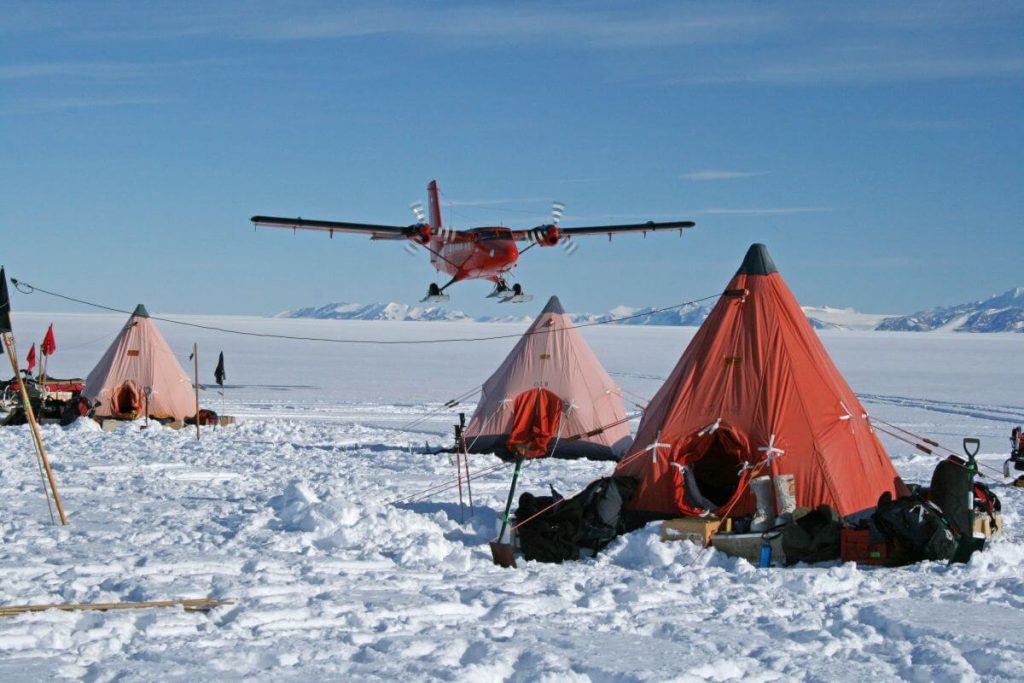
Why Work in Antarctica?
Working in Antarctica is a rare and life-changing experience. Successful applicants will work in one of the most extreme environments on Earth, surrounded by beautiful landscapes and wildlife, all while contributing to ground breaking scientific research. It’s a job unlike any other, where you will build lifelong friendships and take part in important scientific missions that impact our planet’s future.
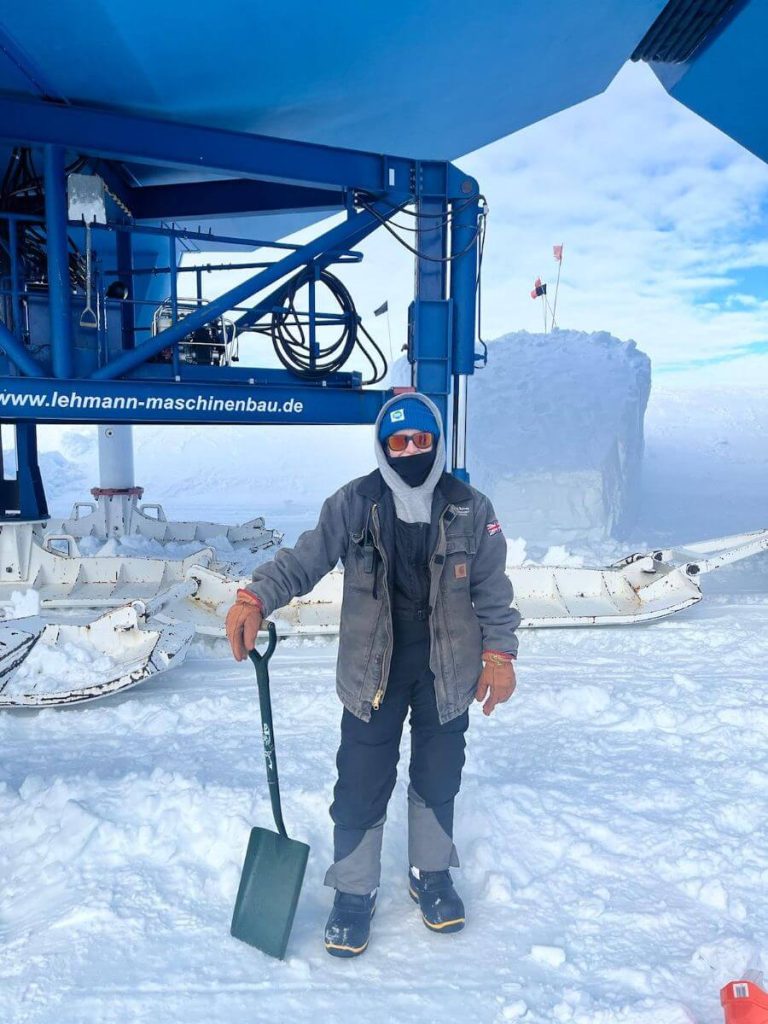
Eloise Saville, a carpenter at Halley VI Research Station, describes her first season working in Antarctica:
“This job is unlike anything I’ve ever done before. I scrape ice off wood, drive skidoos and build things in one of the most extreme places on Earth, yet it’s funny how quickly it all feels normal. The people here are some of the most interesting and adventurous that I’ve met, and yet they’re normal too! If I’d known this was an option earlier, I’d have been working my way down here all along. It’s not just cold, it’s cool!”
A Life-Changing Experience
Working in Antarctica is something many people find themselves wanting to do more of. Ben Norrish, Head of Vehicles at BAS, who first joined in 2001, says:
“There’s something special about Antarctica and the people that adventure there that gets under your skin. No matter how many times you go, when you step off the ship or aeroplane into Antarctica, you look up and take in where you are. That feeling of being in an amazing place is that same now as it was the first time. I would say to anyone who’s even a bit curious about what it’s like to live on the ice, take the leap and apply for the job of a lifetime – you won’t regret it and you don’t know where it might take you!”
Jobs Available in Antarctica
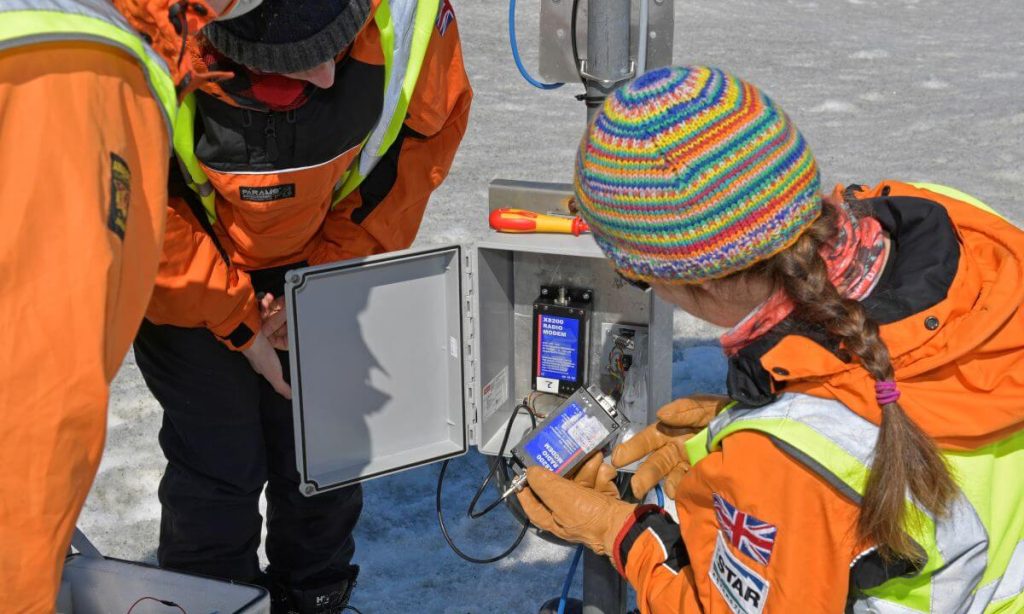
A wide variety of roles are available for those interested in working in Antarctica, with the first batch of jobs now available for application. These positions include diving officers, meteorological observers, ocean scientists, and more. As part of BAS’s commitment to science, applicants will have the chance to work alongside world-renowned scientists and contribute to the UK’s national polar research efforts.
For instance, Olivier Hubert, now a Catering Manager at BAS, was once a chef in a Michelin-starred restaurant before deciding he needed a change. He has worked at Rothera and Halley VI Research Stations.
“Being a chef in Antarctica is a very different experience to anything I’ve ever done before. Meals are such an important part of life down South – they’re the anchors to the day so the pressure is on to create interesting and nutritious meals with limited supplies. But it’s such a privilege to cook for the team that become your family while you’re there – plus the views from the kitchen are pretty epic!”
Why Choose BAS?
The British Antarctic Survey is a world leader in polar research and operations. BAS scientists have made significant contributions, such as discovering the hole in the ozone layer and providing key evidence for climate change. BAS operates research stations, aircraft, and the Royal Research Ship Sir David Attenborough (of Boaty McBoatface fame), supporting science at the poles and maintaining the UK’s presence in Antarctic affairs.
The positions offered by BAS give individuals the chance to take part in pioneering research and contribute to the protection of the planet’s frozen environments.
How to Apply
The first batch of jobs, including positions for diving officers, meteorological observers, and ocean scientists, is now available to apply for at the BAS website. Job advertisements list the relevant closing dates, with contracts starting between May and September. More vacancies will be posted over the next three months for roles such as chefs, vehicle mechanics, and zoological field assistants.
Living and Working in Antarctica
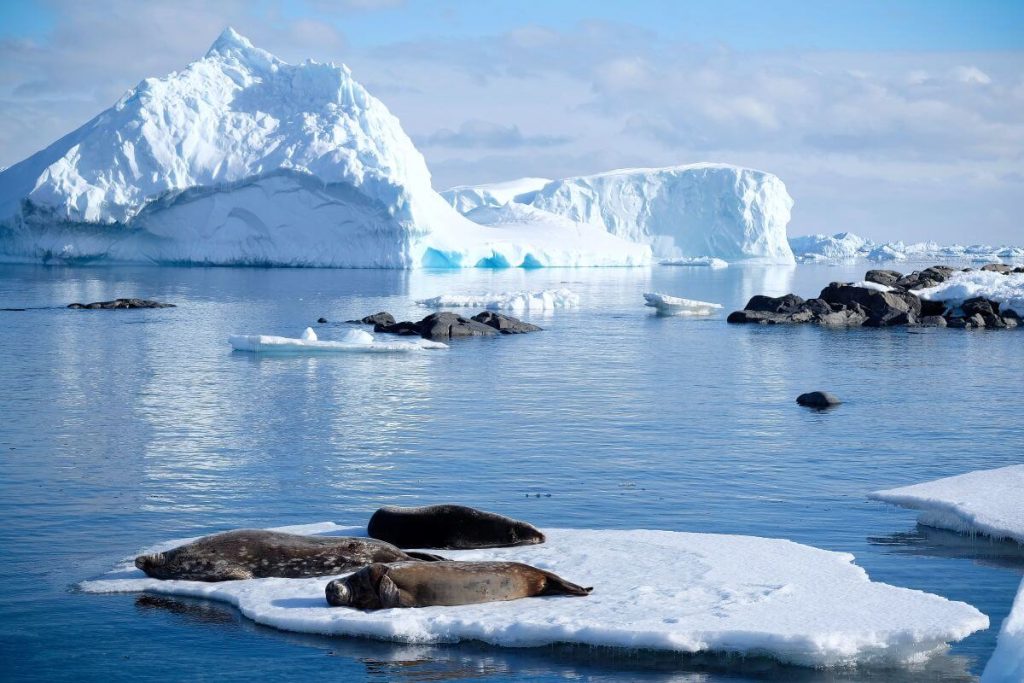
The living and working conditions in Antarctica are unique and challenging. Life on the ice requires resilience and adaptability, but the rewards are undeniable. Whether it’s watching whales, icebergs, and penguins from your window, or having the opportunity to contribute to world-changing research, working in Antarctica is a truly unforgettable experience.
But if you’ve felt something amazing inside with the recent snow, this could be the opportunity for you. If you want to know more about what it’s like to live and work in Antarctica, check out BAS’s podcast Iceworld, which features stories from those working in these roles on the ice. But here’s some key questions you might be asking yourself right now.
Where is Antarctica?
Antarctica is Earth’s southernmost continent, located at the South Pole. It is entirely within the Antarctic Circle, which is situated south of the 66.5° latitude. The continent is surrounded by the Southern Ocean, and it is the coldest, driest, and windiest place on the planet. But don’t let that put you off, as this means you could be one of only 100,000 people a year to visit. That is just 0.0012% of the worlds 8+ billion population.
Key Details about Antarctica’s Location:
- Southern Hemisphere: Almost all of Antarctica lies in the Southern Hemisphere, with the South Pole at its geographic centre.
- No Fixed Borders: Unlike other continents, Antarctica has no fixed borders with other landmasses. It is governed by the Antarctic Treaty System, which ensures the continent remains for peaceful use and scientific research.
- Geography: Antarctica is almost entirely covered by an ice sheet that makes up about 98% of the continent. This sheet is the largest single mass of ice on Earth.
- Coordinates: Latitude between approximately 60°S and 90°S; longitude spans across all longitudes from 0° to 180°.
Proximity to Other Continents:
- South America: Antarctica is closest to South America, particularly Argentina and Chile, separated by the Drake Passage, which is approximately 600 miles (1,000 km).
- Australia: It is also relatively close to Australia’s southern regions.
What is the Average Weather in Antarctica?
Antarctica is characterised by extreme cold, with temperatures that vary widely across regions and seasons. Here are the key aspects of the average weather:
Temperature
- Winter (April to September): In the interior of Antarctica, temperatures can drop below -60°C (-76°F), while coastal areas range from -20°C to -30°C (-4°F to -22°F). At the South Pole, temperatures average about -60°C (-76°F).
- Summer (October to March): Coastal areas see milder temperatures around -2°C (28°F), but the interior remains extremely cold at -30°C to -40°C (-22°F to -40°F). The South Pole experiences an average of -20°C (-4°F) during summer.
Other factors
- Wind: Antarctica experiences powerful, consistent winds, especially in coastal regions. Winds often exceed 100 km/h (62 mph), and blizzards are common in winter, making conditions harsh.
- Precipitation: Antarctica is the driest continent, with much of the interior receiving little to no precipitation. Coastal areas see more snow, especially the western side, but even there, the amount is relatively low. The interior is considered a cold desert, receiving less than 20mm (0.8 inches) of precipitation annually.
- Daylight: Due to its location at the pole, Antarctica experiences extreme periods of daylight and darkness. In summer, the sun doesn’t set for months, while in winter, it stays dark for months.
- Sea Ice: Sea ice surrounding Antarctica expands and contracts with the seasons. In winter, it extends up to 20 million square kilometres (7.7 million square miles), while it recedes significantly in summer.
How Many Hours of Daylight are There in Antarctica?
- Summer (October to March): Antarctica experiences 24 hours of daylight, especially at the South Pole, where the sun stays above the horizon for about six months, from late September to late March. Coastal regions also experience continuous daylight, but the amount of daylight decreases the further inland you go.
- Winter (April to September): The winter months bring 24 hours of darkness at the South Pole, with no sunlight for several months. Coastal regions experience extended periods of twilight, but inland areas remain completely dark.
Summary:
- Summer: 24 hours of daylight at the South Pole; up to 24 hours of daylight in coastal areas.
- Winter: 24 hours of darkness at the South Pole; coastal areas experience extended twilight.
This extreme variation in daylight is due to Earth’s tilt and the continent’s polar position, which makes Antarctica a unique location for studying these phenome