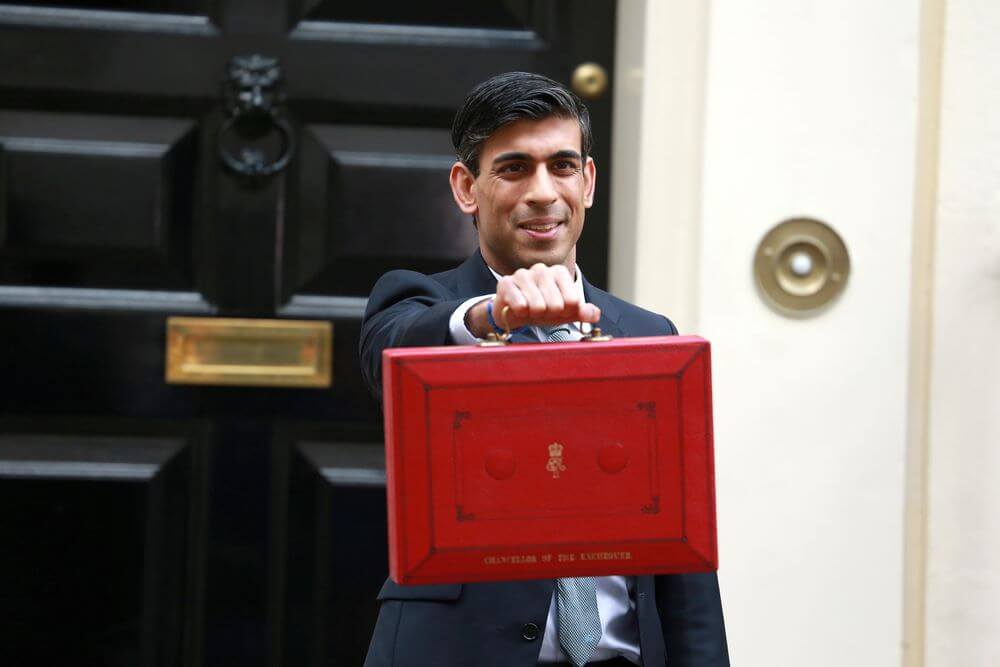
The Autumn Budget, delivered by Chancellor Rachel Reeves, introduces a series of fiscal policies aimed at revitalising the UK economy with raised taxes to fill the £40 billion blackhole.
Oxfordshire residents will feel the impact across various aspects, from changes in taxation to public services and infrastructure investments such as the East-West Rail link between Oxford and Cambridge.
In short, as promised by Sir Keir Starmer, working people and carers have benefited, although larger businesses and those currently enjoying non-dom status and lower Capital gains Tax, or those with children at Private School will feel the pinch.
Here’s a breakdown of how some of the key budget decisions will directly influence life in Oxfordshire:
National Insurance Changes: Higher Costs for Employers
One of the most significant measures in the budget is the increase in employer national insurance contributions, rising by 1.2 percentage points from 13.8% to 15% from April 2025. This measure will raise an estimated £25 billion annually, with a significant portion aimed at improving public services.
Impact on Oxfordshire: Employers, particularly small and medium-sized businesses, may face higher operating costs. Oxfordshire has a thriving small business community, especially in the tech and creative sectors, which could find this increase burdensome. However, the extra revenue is likely to be directed towards funding public services that local residents rely on.
National Living Wage Increase: Better Pay for Workers
The national living wage will rise by 6.7% to £12.21, equating to an extra £1,400 per year for full-time workers. Over time, a single adult rate will be introduced to level wages for under-21s.
Impact on Oxfordshire: This wage increase will benefit many workers in lower-paid sectors such as retail and hospitality, which are prevalent in towns like Banbury and Abingdon. However, local businesses may face challenges in adjusting to these higher wage bills, potentially limiting job creation in the short term.
Income Tax: Adjustments in 2028
Although personal tax thresholds will be increased in line with inflation, this change will not take effect until 2028-29. This move allows the government to claim they are not raising taxes for working people, although the immediate impact will be felt much later.
Impact on Oxfordshire: With many residents commuting to nearby cities like London, or working in Oxford’s education and science sectors, this delay in adjusting income tax may mean limited short-term relief for families dealing with rising costs of living.
Capital Gains and Inheritance Tax: Adjustments for Property Owners
Capital gains tax rates will rise from 10% to 18% at the lower rate and from 20% to 24% at the higher rate. However, there will be no increase in the 24% rate for second properties. The inheritance tax threshold will remain frozen, while reforms to agricultural and business assets will raise an additional £2bn annually.
Impact on Oxfordshire: The county has a strong property market, and with many residents owning second homes or rental properties, these adjustments could affect property investors and wealthier families. Inheritance tax changes will likely impact rural landowners and business owners in the county’s agricultural sector.
Fuel Duty Freeze: Keeping Costs Manageable for Commuters
The Chancellor confirmed that fuel duty would remain frozen for another year, continuing the 5p cut implemented last year.
Impact on Oxfordshire: With many residents commuting long distances by car, particularly in rural areas, this freeze offers welcome relief for those facing high fuel prices. The freeze will help reduce transport costs for families and small businesses dependent on vehicles for daily operations.
For those who commute from towns like Banbury or Bicester to Oxford, this freeze could result in savings of around £50 to £100 annually, depending on driving distance and fuel consumption.
NHS Funding and Local Healthcare
A £22.6bn increase in day-to-day spending on the NHS will aim to reduce waiting times, improve productivity, and deliver new beds and testing capacity in hospitals. The NHS in Oxfordshire, particularly the John Radcliffe Hospital in Oxford, will benefit from this boost.
Impact on Oxfordshire: With significant healthcare needs due to a growing and aging population, the increased funding will help reduce waiting times and improve services. The funding could also contribute to new infrastructure projects, such as expanding capacity in local hospitals.
Housing and Infrastructure: Focus on Affordability and Growth
The government has committed £5bn towards increasing affordable housing, while also addressing planning issues by hiring new planning officers to accelerate housebuilding.
Impact on Oxfordshire: Oxfordshire faces a significant housing shortage, particularly in affordable homes for young families. With Oxford regularly cited as one of the least affordable cities in the UK, this funding could help ease housing pressures. New affordable housing developments could be fast-tracked, especially in rapidly growing areas like Bicester.
Additionally, Reeves reaffirmed support for the East-West Rail link between Oxford and Cambridge, which will improve regional connectivity and create job opportunities.
VAT on Private School Fees
From January 2025, VAT will be applied to private school fees. Oxfordshire is home to several prestigious private schools, including St Edward’s School and Magdalen College School.
Impact on Oxfordshire: This measure could lead to an increase in school fees, potentially pushing more students from the private to the state sector. This could place additional pressure on Oxfordshire’s state schools, which are already managing high demand.
Alcohol and Tobacco
Taxes on alcohol and tobacco will increase, while the duty on draught beer will be reduced by 1.7%.
For Oxfordshire residents, particularly in the hospitality industry, the reduction in draught duty may bring more customers to local pubs and bars eager to save a penny per pint after spending an extra pound on the bus to get there.
Schools and Education: Major Investment
The Department for Education will receive an additional £6.7bn, a 19% real-terms increase, including £1.4bn for school rebuilding and £1bn for special needs education. There will also be more funding for teacher recruitment.
Impact on Oxfordshire: The county’s education system, already one of the best in the UK, stands to benefit from this investment. With growing populations in towns like Didcot and Bicester, the investment could support the building of new schools and improvements to existing infrastructure, ensuring that students receive quality education in up-to-date facilities.
NHS Funding and Local Healthcare
A £22.6bn increase in day-to-day spending on the NHS will aim to reduce waiting times, improve productivity, and deliver new beds and testing capacity in hospitals. The NHS in Oxfordshire, particularly the John Radcliffe Hospital in Oxford, will benefit from this boost.
Impact on Oxfordshire: With significant healthcare needs due to a growing and aging population, the increased funding will help reduce waiting times and improve services. The funding could also contribute to new infrastructure projects, such as expanding capacity in local hospitals.
Abolition of Non-Dom Tax Status
From April 2025, the non-domiciled (non-dom) tax regime will be abolished, meaning individuals who reside in the UK but claim foreign domicile will no longer benefit from favourable tax treatment. Previously, non-doms could avoid paying UK tax on overseas income unless they brought it into the country.
Impact on Oxfordshire: Oxfordshire is home to many high-net-worth individuals who could be affected by this change. The abolition of the non-dom tax status is expected to raise substantial tax revenues and help level the playing field in the tax system. Wealthier residents who have been using the non-dom status may see an increase in their tax obligations.
Carer’s Allowance Increase
In an effort to support full-time carers, the earnings threshold for Carer’s Allowance will be raised from £151 to £195 per week. This allows carers to earn more without losing their benefits, offering much-needed financial relief to those providing care for loved ones.
Impact on Oxfordshire: Oxfordshire has a large population of carers, both professional and familial, due to its aging demographic. This increase in the earnings threshold provides a lifeline for carers who need to work part-time but are reliant on the allowance to make ends meet. It could help many maintain financial stability while continuing their essential caregiving roles.
Stamp Duty Hike for Second Homes
Starting immediately, the stamp duty surcharge on second homes will increase from 2% to 5%. This aims to curb the growing demand for second homes and ensure that housing stock is more available for first-time buyers.
Impact on Oxfordshire: In a county where property prices are already high, particularly in areas like Oxford, Henley, and the Cotswolds, this stamp duty hike could slow the second-home market. Many wealthier individuals purchase second homes in the county’s picturesque villages, and this change may reduce competition for housing, slightly easing pressure on local buyers looking for a primary residence.
Air Passenger Duty on Private Jets
Reeves announced a 50% increase in air passenger duty on private jet flights. This is in line with the government’s aim to tax luxury goods and services more heavily.
Impact on Oxfordshire: Oxfordshire is close to private jet facilities at Oxford Airport and other nearby airfields, often used by business executives and wealthy individuals. This increase may lead to higher costs for those flying privately, but for the average resident, the impact will be minimal. This measure reflects the government’s broader move toward progressive taxation, targeting wealthier citizens.
Business Tax Reliefs and Employment Allowance
Small businesses in the retail, hospitality, and leisure sectors will benefit from 40% relief on business rates until 2026-27, capped at £110,000. Additionally, the Employment Allowance will rise from £5,000 to £10,500, which will reduce National Insurance contributions for smaller businesses.
Impact on Oxfordshire: Oxfordshire has a thriving small business sector, particularly in Oxford city and the market towns of Banbury, Abingdon, and Bicester. The reduction in business rates and increased Employment Allowance will provide welcome relief for many small and medium enterprises (SMEs) in the region. Retailers and hospitality businesses, many of which are still recovering from the pandemic, are likely to benefit the most from these measures.
Oil Profits Levy
The Chancellor confirmed that the oil profits levy will be increased from 28% to 32%, and extended further.
Impact on Oxfordshire: Local residents could feel the indirect impact if energy companies pass these costs on to consumers, making heating homes more expensive, especially during colder months.