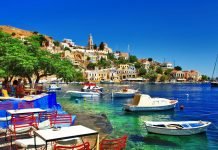
Although often overlooked in favour of its flashier neighbours, Mallorca and Ibiza, Menorca offers a more laid-back and authentic Mediterranean escape. This Balearic island is a testament to nature’s raw beauty, with its unspoiled beaches and lush interior making it the perfect destination for those seeking a quieter and more relaxed holiday experience.
Diving into Menorca’s Underwater Wonderland
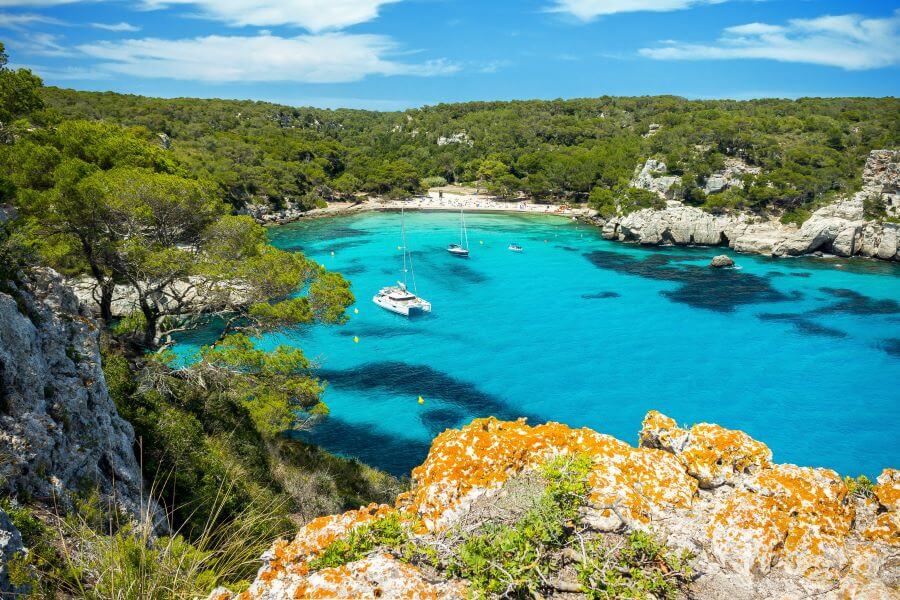
One of the best ways to appreciate Menorca’s stunning coastline is from the water. Boat tours are plentiful and offer a unique perspective of the island’s dramatic cliffs and hidden coves.
As you explore the island, perhaps while sailing around with a European cruise to discover all 151 of the Balearic islands and islets, you’ll be treated to views of secluded beaches only accessible by sea and the opportunity to drop anchor in quiet bays for a refreshing swim.
Many boat tours focus on the marine reserve surrounding the island, giving you a chance to spot dolphins, colourful fish, and even the occasional sea turtle.
Menorca’s natural beauty doesn’t stop at the shoreline, it extends beneath the waves as well. The waters surrounding the island are part of a marine reserve, and snorkelling and diving enthusiasts will discover a whole other world down there. The water’s so clear you can see for ages, revealing colourful fish, coral, and even a few shipwrecks if you’re lucky.
Top tip for a day trip: If you want to experience even quieter islands, the only other other inhabited Balearic Island is Formentera. And the uninhabited former prison colony Cabrera is a maritime National Park home to two hundred types of fish, molluscs, crustaceans, marine birds and raptors.
Kayaking Adventures
For those who prefer a more hands-on approach to exploring Menorca’s coastline, kayaking is an excellent option. You’ll paddle along the rugged northern coast navigate through narrow channels between towering cliffs and discover hidden caves. The southern coast offers a gentler kayaking experience, with calm waters and small coves perfect for beaching your kayak and enjoying a picnic.
Guided kayak tours often include stops at some of Menorca’s 70+ beaches, many of which are only accessible by water. These tours provide a unique opportunity to experience the island’s pristine natural beauty up close and at your own pace.
Hiking the Camí de Cavalls
Covering a distance of 185 kilometres, the Camí de Cavalls trail offers breath-taking views of the Mediterranean, access to secluded beaches, and a chance to experience the island’s diverse ecosystems.
The trail is divided into 20 stages, each offering something unique. You might find yourself walking through pine forests, crossing wetlands, or walking through rocky coastlines. Along the way, keep an eye out for endemic plant species and the variety of wildlife that calls Menorca home.
Birdwatching Paradise
Menorca’s interior is a patchwork of rolling hills, dense forests, and farms that look like they’re straight out of a storybook. This is all a testament to the island’s commitment to preserving its natural heritage status as a UNESCO Biosphere Reserve, a status it has held since 1993.
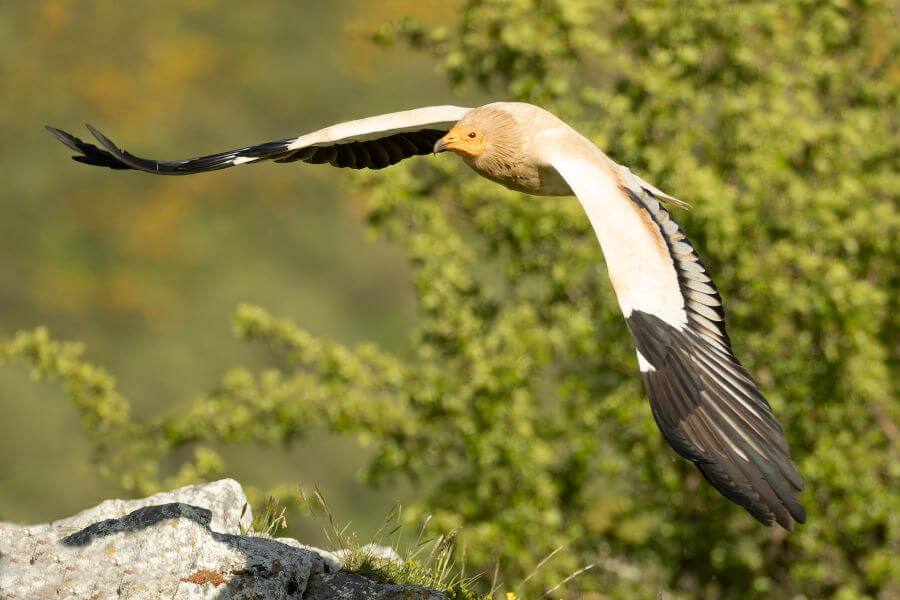
This is also what makes Menorca a haven for birdwatchers, with the S’Albufera des Grau Natural Park being the ideal spot for birdwatching. Guided birdwatching tours in the park offer the chance to spot a wide variety of species in their natural habitat.
Other excellent birdwatching locations include the wetlands of Son Bou and the cliffs of La Mola de Fornells. Keep your binoculars ready for sightings of Audouin’s gulls, Balearic shearwaters, and even the occasional Egyptian vulture.
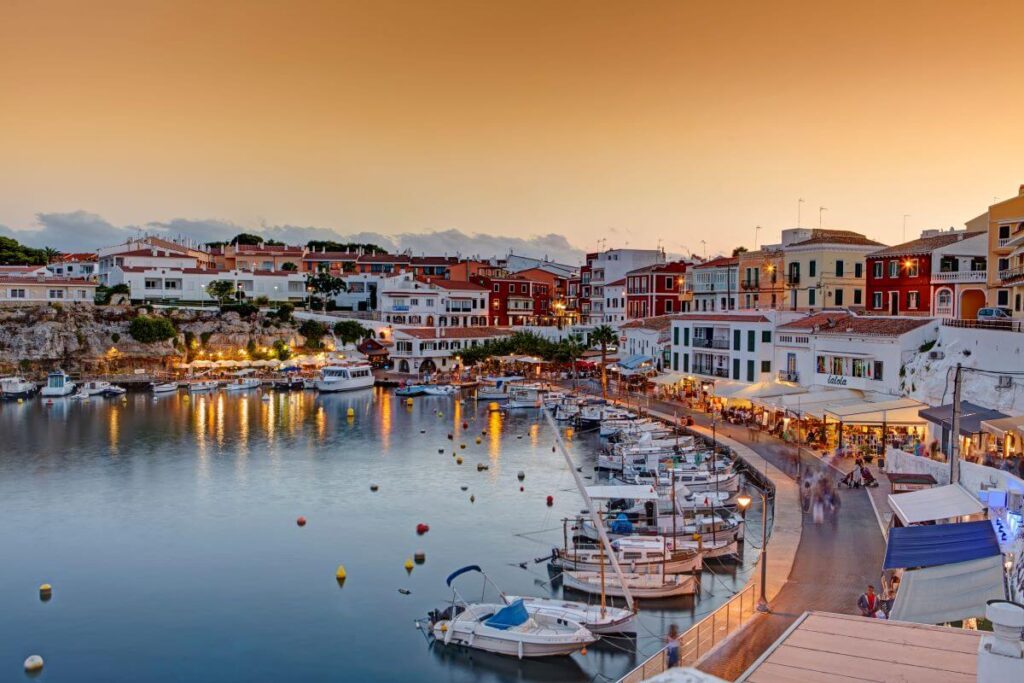
Menorcan Culture: Cuisine and Traditional Festivals
Menorcan cuisine is a reflection of its Mediterranean roots, with a blend of influences from Spanish, Moorish, and even British colonial periods. The island’s gastronomy is known for its simplicity, freshness, and use of locally-sourced ingredients.
- Mahón Cheese (Queso de Mahón): One of Menorca’s most famous exports, Mahón cheese is a protected Denomination of Origin product. This semi-hard cheese is made from cow’s milk, with a flavour profile that ranges from mild and creamy to sharp and salty as it matures. The cheese is typically eaten with a drizzle of olive oil and sprinkled with paprika.
- Caldereta de Langosta: This is Menorca’s signature dish, a rich and hearty lobster stew. Caldereta de langosta is traditionally made with spiny lobsters caught off the island’s coast, simmered with tomatoes, onions, garlic, and other local vegetables. It’s often enjoyed in coastal towns like Fornells, where it originated, and is considered a delicacy.
- Ensaimadas: A sweet spiral-shaped pastry, ensaimadas are a traditional breakfast treat or dessert in Menorca. Filled with cream, pumpkin, or other ingredients, they are often enjoyed with a coffee.
- Gin Xoriguer: Menorca has a surprising connection to gin, dating back to the British occupation in the 18th century. Gin Xoriguer, made on the island, is a local favourite and is often mixed with lemonade to create the refreshing drink known as Pomada, particularly popular during local festivals.
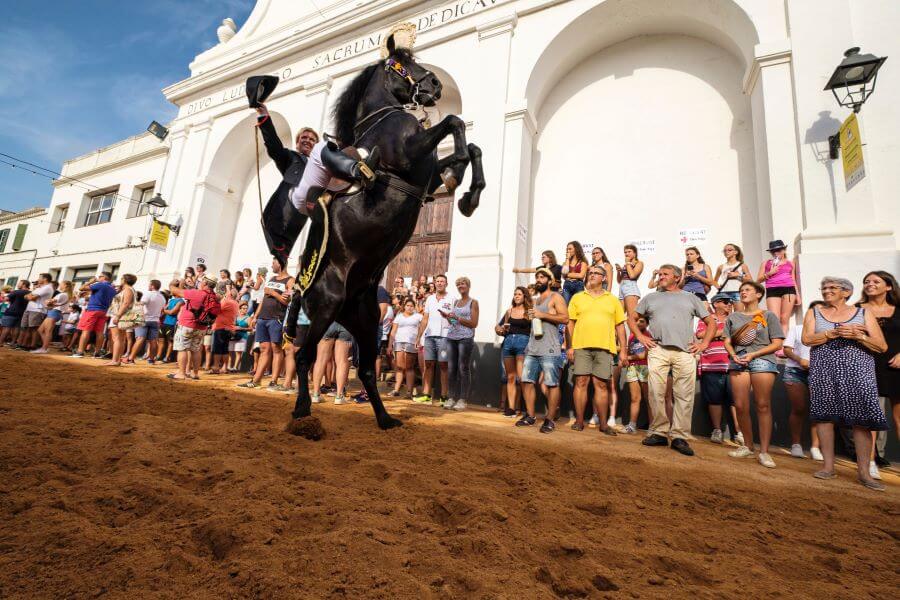
Festivals: Fiestas de Sant Joan
Menorca’s culture comes alive in its festivals, with the Fiestas de Sant Joan being the most famous. Celebrated in the town of Ciutadella at the end of June, this centuries-old festival combines religious tradition with exuberant community celebrations.
- The Horses of Sant Joan: The festival is known for its striking equestrian displays. The caixers (riders) parade through the streets on Menorcan horses, a breed native to the island. These beautifully adorned horses rear up on their hind legs, a spectacle that represents power and agility, captivating both locals and tourists.
- Jaleos: At the heart of the festival are the jaleos, where the horses, accompanied by music, perform among large crowds. The event brings a sense of excitement and energy to the town, with locals encouraging the horses to rear and dance.
- Traditional Music and Fireworks: In addition to the equestrian displays, the festival features traditional music, fireworks, and pomada-fuelled celebrations. It is a time of deep cultural pride, where Menorcans gather to honour their history, religion, and community spirit.
Local Crafts and Traditions
Menorca is also known for its skilled craftsmanship, particularly in shoe-making. Avarcas, simple yet durable sandals originally worn by farmers, are now a fashionable staple on the island and beyond. Made from leather, they are available in a variety of styles and colours and are sold throughout the island’s markets.
Last note on cultural aspects, Minorca is the English spelling. It’s worth using the Spanish and Catalan version to be authentic.
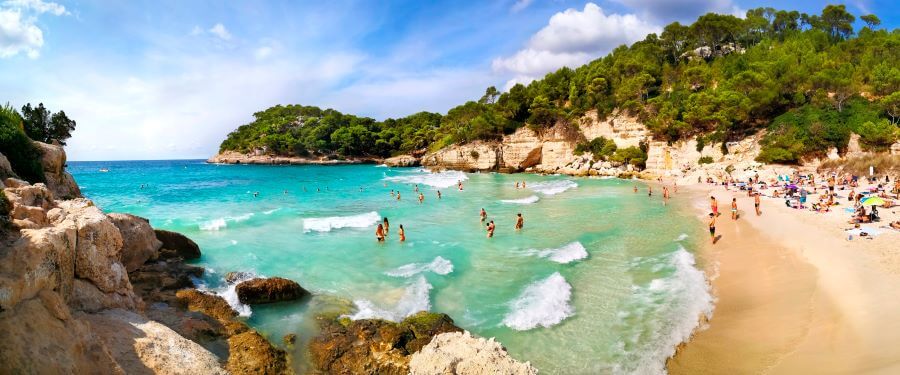
Prepare to be Wowed
As the sun sets on your Menorcan adventure, take a moment to reflect on the natural wonders and attractions you’ve experienced. From the gentle lapping of waves on golden shores to the rustling of leaves in ancient olive groves, Menorca’s natural beauty is truly rejuvenating.
And hopefully, before heading out on your trip you’ll have tried unique travel packing hacks like rolling your clothes instead of folding them, that’ll leave you with more space and fewer wrinkles. Plus, you’ll want that extra room for comfy shoes because there’s a lot of ground to cover here.
Menorca may not boast the glamour of its neighbouring islands, but what it lacks in glitz, it more than makes up for in natural splendour. As you leave this enchanting island, you’ll carry with you not just memories, but a renewed appreciation for the raw beauty of the natural world.