The alternator is a crucial component of your car’s electrical system, responsible for powering on-board electronics and recharging the battery. Regular maintenance ensures it functions properly, preventing unexpected breakdowns and costly repairs.
Different vehicle types matter: hybrids and electric cars use advanced electrical systems, not traditional alternators. These will be covered later.
Here are some tips to keeping your car alternator maintained:
Regular visual inspection
Keeping your alternator clean from dirt, dust, and oil is vital for avoiding overheating and wear. Check that both the alternator and drive belt are securely fastened to prevent vibrations and damage.
Inspect the drive belt for cracks or signs of wear, replacing it if needed. Ensure all wires and connections are intact to prevent corrosion or poor contact, which can lead to charging problems.
Periodically check the voltage produced by the alternator with a multimeter. Normal voltage should be between 13.8 and 14.4 volts with the engine running.
Pro Tip: A quick glance at your dashboard’s battery indicator light can help spot issues early. If the light is on or flashing, it might indicate a charging problem.
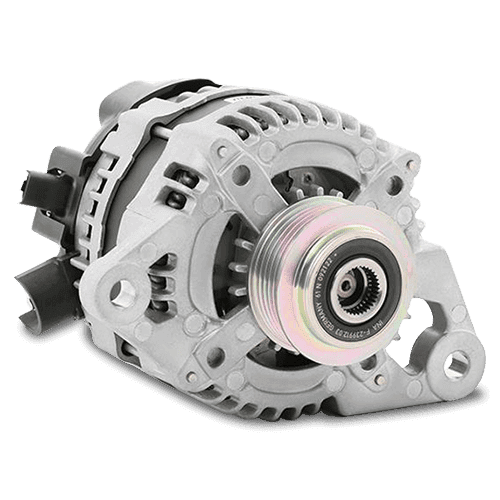
Symptoms of Alternator Failure
Recognising the early signs of alternator failure can save you from being stranded on the road. Some common symptoms include:
- Dimming or Flickering Headlights: As the alternator loses its ability to generate power, electrical components such as headlights will be affected.
- Electrical Failures: Systems like the radio, air conditioning, and power windows may begin to malfunction due to insufficient electrical supply.
- Difficulty Starting the Car: A failing alternator will not properly recharge the battery, leading to slow engine cranking or a complete inability to start.
- Battery Warning Light: Most modern vehicles will trigger a warning light on the dashboard, often resembling a battery symbol, indicating charging problems.
- Unusual Noises: Grinding or whining noises can result from worn bearings in the alternator.
If you notice any of these signs, it is recommended to have the alternator inspected by a professional.
Battery vs. Alternator: How to Tell the Difference
- Battery Issues: A faulty battery often causes slow starting, but the car will run once started.
- Alternator Issues: If your vehicle starts but then stalls or the battery dies while driving, the alternator might not be charging correctly.
Performing a multimeter voltage test can help you pinpoint the issue.
DIY Voltage Check
Testing your alternator with a multimeter can be done in a few simple steps:
- Set the Multimeter to DC Voltage: Make sure your multimeter is set to measure DC voltage.
- Start the Engine: The engine needs to be running for an accurate test.
- Test the Battery: Connect the red lead to the positive terminal and the black lead to the negative terminal of your car battery.
- Check the Reading: A properly functioning alternator will show a reading between 13.8 to 14.4 volts. If the reading is lower, the alternator may not be charging the battery correctly.
Professional Maintenance
- Routine Diagnostics: Have a professional check the alternator every 50,000–60,000 km or if you notice any signs of malfunction.
- Brush and Bearing Replacement: Alternator brushes and bearings wear out over time. Replacing them during routine service can prevent major issues.
- Repair or Replace: If the alternator shows significant signs of wear, it might need repair or a full replacement, especially after 100,000+ km.
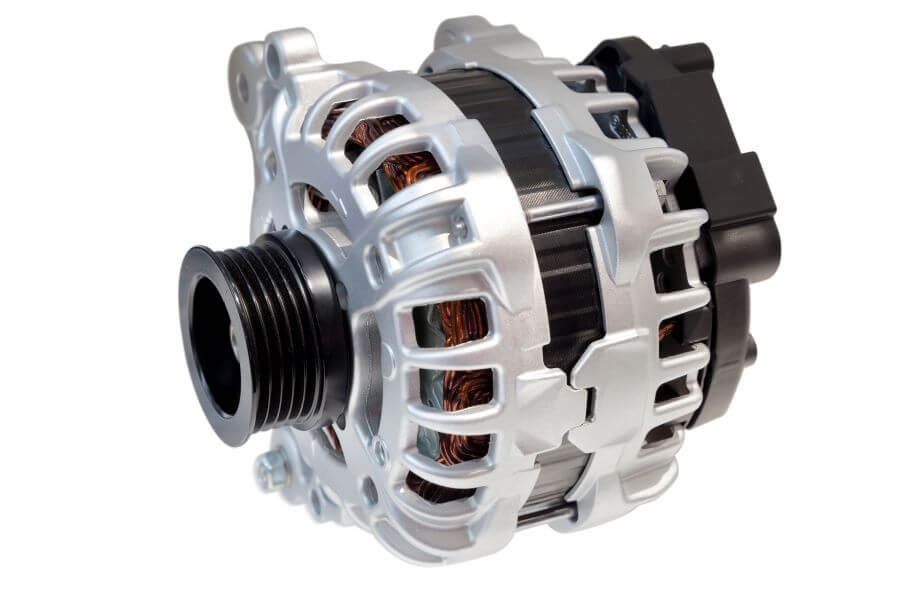
Preventing problems
| Avoid overloading: | Do not connect too many powerful electrical consumers to the on-board power supply, especially when the engine is idling. |
| Check the condition of the battery: | A defective or discharged battery can put additional strain on the alternator. |
| Protect from moisture: | Avoid getting water on the generator, especially when washing the engine. |
Remember:
- Timely maintenance: Regular maintenance of your alternator will help prevent serious breakdowns and extend its life.
- Professional help: If you have any doubts or problems with your alternator, contact a qualified auto electrician.
By following these tips, you can ensure reliable alternator operation and avoid unpleasant surprises on the road. Remember that a serviceable alternator is a guarantee of trouble-free operation of all electrical systems of your car and your safety!
Alternator Lifespan
On average, alternators last between 80,000 and 150,000 kilometres, though their lifespan can vary based on driving conditions and electrical load. For example, frequent short trips where the alternator doesn’t have enough time to fully recharge the battery can lead to premature wear. Extreme heat and cold can also reduce alternator efficiency.
Cost of Maintenance or Replacement
The cost of alternator maintenance or replacement varies depending on your vehicle’s make and model. On average:
- Diagnostics: A basic diagnostic check could cost between £50 to £100.
- Brush Replacement: Replacing the brushes might cost £80 to £120.
- Full Replacement: A new alternator can cost between £200 to £600, depending on whether you opt for a refurbished or brand-new part.
Investing in regular maintenance can prevent costly breakdowns in the future.
Warranty Information
Before opting for a repair or replacement, check your vehicle’s warranty. Many car manufacturers offer warranties that cover alternators for a certain period, typically between 3 to 5 years or up to a specific mileage limit. Additionally, some replacement parts come with a 12 to 24-month warranty, ensuring peace of mind in case the new alternator fails prematurely.
Upgraded Alternators for High-Powered Systems
If you have installed high-powered electrical accessories in your vehicle, such as an aftermarket audio system, additional lighting, or even refrigerators in RVs, your alternator may not be able to keep up with the power requirements. Upgrading to a high-output alternator can provide additional power capacity to meet these needs without overloading the system.
- High-Output Alternators: These alternators offer increased amperage output (sometimes up to 200-300 amps), ensuring that all electronic accessories function optimally without draining the battery. These are ideal for vehicles with additional sound systems, lighting kits, or towing rigs.
- Dual Alternator Systems: In more demanding setups, such as in RVs or specialised work vehicles, some users install a dual alternator system. This allows one alternator to power the vehicle’s standard electronics while the second supports additional accessories.
Maintenance Considerations for Hybrid and Electric Vehicles
Hybrid and electric vehicles (EVs) do not have traditional alternators, but they rely on DC-DC converters that perform a similar role by converting high-voltage battery power to run the 12V systems. As a result, maintenance practices differ:
- Hybrid Vehicles: Instead of an alternator, hybrid cars use the electric motor to generate electricity. Regular checks of the vehicle’s battery system and software updates are critical to ensure these components work efficiently.
- Electric Vehicles: Fully electric vehicles rely solely on battery power and electric motors, so they don’t use alternators at all. Maintenance involves ensuring proper battery health, cooling systems, and inverter functionality, all of which are different from internal combustion engines (ICE) vehicles.
Special Maintenance Considerations
- Cooling Systems: Many electric and hybrid cars use dedicated cooling systems for the battery and electronics, so it’s essential to ensure these are functioning properly to avoid overheating.
- Regenerative Braking Systems: These systems capture energy during braking and feed it back to the battery, which requires periodic checks to ensure efficiency and longevity.