The UK rail network is set for a once-in-a-generation transformation with the Government’s announcement of a landmark rail reform bill. The new legislation aims to create Great British Railways (GBR), a unified body responsible for track and train, to tackle long-standing inefficiencies, end timetable chaos, and put passengers at the heart of decision-making.
One of the key features of the reform is the creation of an independent rail watchdog with real enforcement powers. This watchdog will champion passenger rights, hold train operators to account, and work towards a more reliable, affordable, and efficient railway for all. Music to all commuters ears!
What This Means for Passengers
The reform package is designed to fix a broken railway system that has been plagued by delays, complex ticketing, and poor service. The introduction of an independent watchdog will:
- Ensure train companies are held accountable for poor performance and service disruptions.
- Investigate persistent complaints and force improvements where necessary.
Oversee fairer ticketing and pricing, simplifying the complex fare structures that have frustrated passengers for years. - Ensure passengers receive clear information about their journeys, delays, and alternative options.
- Work with transport regulators to enforce penalties on underperforming rail operators.
Transport Secretary Heidi Alexander emphasised the impact these changes will have, stating:
“Passengers have put up with broken railways for far too long. This landmark reform will sweep away decades of failure, creating a Great British Railways passengers can rely on.
“We’re giving passengers a powerful voice with a new watchdog dedicated to addressing their biggest concerns, building railways people can trust, improving our services and boosting the economy in the process – the priority in our Plan for Change.”
Key Changes Under the Rail Reform Bill
The rail reform bill includes several significant changes:
1. Creation of Great British Railways (GBR)
GBR will unite train and track under one body, ending the fragmentation between infrastructure management (previously controlled by Network Rail) and rail operators. This will improve:
- Operational efficiency by ensuring better communication between track managers and train operators.
- Service reliability, preventing timetable disruptions like those seen in 2018’s scheduling crisis.
- Passenger experience, making services more predictable and transparent.
2. A Passenger-Focused Independent Watchdog
The new watchdog will be an independent body responsible for:
- Investigating complaints and ensuring better responses from train operators.
- Publishing reports on persistent service failures, naming and shaming underperforming services.
- Collaborating with the Transport Secretary and GBR to set minimum service standards.
- Referring major issues to the railway regulator, which will have the power to enforce penalties on failing operators.
3. More Power for Local and Devolved Leaders
Under the new system, mayors and city leaders will have greater say over rail services in their regions. This includes:
- More integrated transport networks, making train, bus, and tram services work seamlessly together.
- Flexibility in ticketing policies, allowing for easier, region-specific fare systems.
Greater Manchester Mayor Andy Burnham welcomed the move:
“This is a once-in-a-generation opportunity to overhaul how the railways are run – creating a service that puts passengers first, with more reliable trains and simpler fares and tickets.
How Will This Impact Oxfordshire’s Rail Services?
- Investment in the Cowley Branch Line: £2.5m committed to reopening passenger services.
- Better coordination at Oxford Station: Expected smoother timetabling and fewer delays.
- Pay-As-You-Go Ticketing Expansion: Future implementation in Oxfordshire could simplify fares.
- Enhanced services on major routes: Including Oxford to London, Birmingham, and Marylebone.
Public Ownership Act: What It Means for Rail Users
The Public Ownership Act, which achieved Royal Assent in 2024, is a key component of the Government’s wider rail reform strategy. The Act grants the Government greater control over railway services, ensuring that profits from public transport are reinvested into service improvements rather than distributed to private shareholders.
Under this Act:
- Certain struggling rail operators can be brought under public ownership, allowing the Government to intervene when private firms fail to meet performance standards.
- It prevents taxpayers from covering excessive private sector losses, redirecting up to £150 million per year back into railway infrastructure and service upgrades.
- It facilitates investment in modernising services, including station upgrades, electrification projects, and digital ticketing innovations.
This policy aligns with the formation of Great British Railways (GBR) by ensuring a unified, performance-driven network, where public funds contribute directly to service reliability, rather than subsidising underperforming franchises.
Laura Shoaf, Chair of Shadow Great British Railways, said:
“GBR will fundamentally change our railways, delivering growth, connections and opportunities across the country.
“The plans set out today will mean a better railway for everyone that uses it, allowing industry to work closer together, putting passengers and customers first and providing better value for money for taxpayers.
Growth and Investment: The Economic Impact
As part of the Government’s Plan for Change, GBR will play a key role in boosting economic growth:
- Encouraging private sector investment by providing long-term stability in rail infrastructure. Investing billions in supply chains to support British businesses.
- Creating more jobs in transport, engineering, and logistics.
- Expanding ‘open access’ rail services where they increase competition and benefit passengers.
Have Your Say: Public Consultation Open
The Government has launched an eight-week consultation. Oxfordshire residents can share their views on the future of GBR and the rail watchdog.
Major Railway Lines Serving Oxfordshire
| Rail Line | Key Stations | Operator | Destinations |
|---|---|---|---|
| Great Western Main Line (GWML) | Didcot Parkway, Cholsey | GWR | London Paddington, Bristol, South Wales |
| Chiltern Main Line | Banbury, Bicester North | Chiltern Railways | London Marylebone, Birmingham |
| Cotswold Line | Oxford, Hanborough, Charlbury, Kingham | GWR | Oxford, Worcester, Hereford |
How the UK’s Rail Reforms Will Impact Oxfordshire’s Train Services
The Government’s proposed rail reforms promise a long-overdue transformation of Britain’s railway network, with the introduction of Great British Railways (GBR) and a new independent watchdog to hold train operators to account. But what do these changes mean for Oxfordshire’s rail passengers?
With Oxford’s railway infrastructure undergoing major investment, and commuters facing ongoing issues with delays, overcrowding, and ticketing complexities, the question remains. Will these reforms finally deliver the improvements local rail users need?
Oxford Station Upgrades & Future Rail Links
Oxford Station Redevelopment
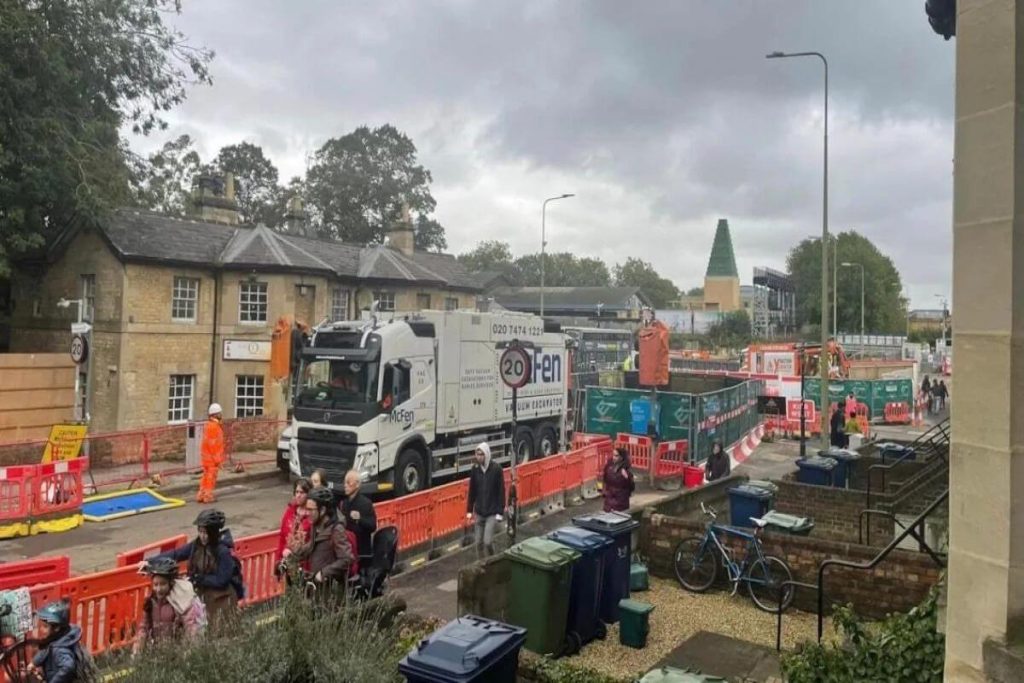
Oxford Station is currently undergoing a £161 million redevelopment to increase capacity, improve accessibility, and enhance the passenger experience. With GBR set to oversee railway infrastructure, how will the new system ensure these upgrades meet local needs?
East West Rail Expansion
The East West Rail project is expected to better connect Oxford with Cambridge, Milton Keynes, and Bedford, improving travel options across the region. Will GBR and the watchdog regulate ticket prices and reliability on these new services?
Impact on Commuters & Local Transport
Oxford and the wider county are home to thousands of daily rail commuters who depend on reliable services to London, Birmingham, Reading, and beyond. But rail disruptions, timetable inconsistencies, and fare complexities remain major concerns.
Fairer & More Reliable Timetables
With GBR taking control of both track and train operations, can passengers expect fewer delays and cancellations on critical routes such as:
- Oxford to London Paddington & Waterloo (Great Western Railway & South Western Railway)
- Oxford to Birmingham New Street (CrossCountry)
- Oxford to London Marylebone (Chiltern Railways)
Supporting Oxfordshire’s Science & Technology Sector
Oxford is a global hub for research, science, and technology, with businesses relying on efficient rail links for staff and visitors. Will GBR collaborate with local business leaders to improve connectivity?
Improving Regional Rail Connections
While Oxford enjoys strong rail connections, other parts of Oxfordshire remain under-served by direct rail links.
- Direct Services to Swindon, Banbury, and the Cotswolds: Could GBR expand or increase the frequency of services to reduce travel times?
- Addressing Overcrowding at Didcot Parkway: As a major interchange station, Didcot Parkway often faces congestion issues. Will GBR’s reforms include measures to improve capacity and ease commuter pressures?
Local Accountability & Decision-Making
The introduction of a powerful independent watchdog aims to give passengers a stronger voice and hold train operators to higher standards. But how will this work in practice for Oxfordshire?
- Role of Local Leaders: Will Oxfordshire County Council and the Oxfordshire Local Enterprise Partnership (OxLEP) have a say in shaping local rail services under the new system?
- Passenger Complaints & Feedback: How will the new watchdog make it easier for Oxfordshire commuters to report issues and demand better service?
Final Thoughts: A Better Future for Rail Passengers?
The introduction of Great British Railways and a dedicated rail watchdog marks a major shift in how UK railways are managed. While challenges remain, the potential benefits; including simpler fares, improved reliability, and better local transport integration, could significantly enhance Oxfordshire’s rail services.
Would these reforms encourage you to travel by train more often? Join the conversation and share your views!