Oxfordshire is at the forefront of the United Kingdom’s transition to sustainable transport, paving the way for a greener, healthier future for the country. To reduce emissions and the impact of climate change, the county is taking a strategic approach involving multiple measures such as incentivising EV owners and users, rapid development of green infrastructure, and proactive community engagement.
Fortifying the Electric Vehicle Charging Network
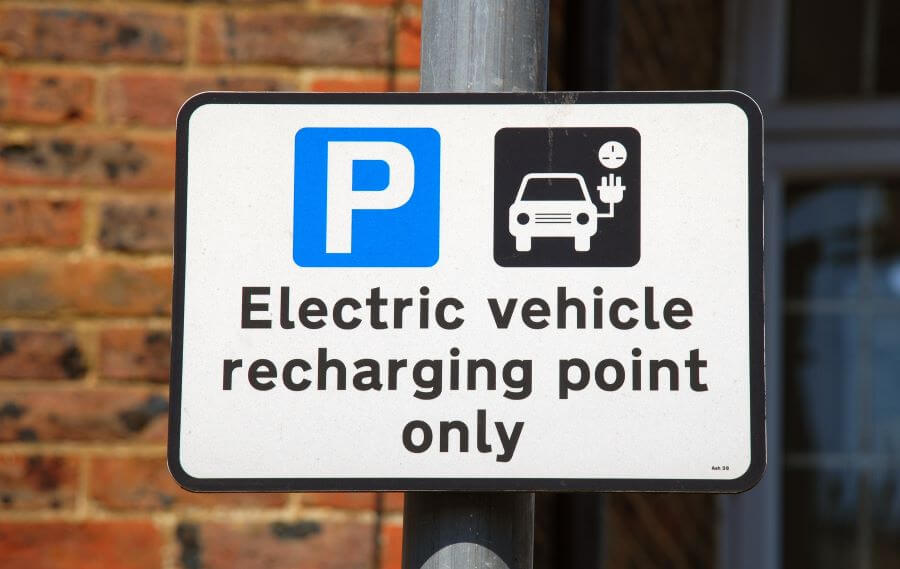
Recognising the urgent need to build a reliable charging network, Oxfordshire has made substantial efforts to improve the existing charging infrastructure and set up new stations across the county. One of the most influential projects in this regard is the Park and Charge Oxfordshire initiative.
It involves strategically installing 24 fast EV charging “hubs” in district council car parks to guarantee that every resident has instant access to charging infrastructure. The county has also recently acquired £3.6 million from the Central Government Local EV Infrastructure Fund (LEVI) to continue developing the charging network.
Engaging Communities & Stakeholders
Oxfordshire’s initiative is not a top-down solution. By interacting with businesses, service providers, and local communities, the county council has implemented an extensive interaction strategy that includes consultations, public debates, and campaigns such as “Path to a Greener Future” and “Future of Transport in Oxford”. This proactive community engagement allows the county to develop and implement a greener solution based on the preferences and concerns of its residents, leading to a sense of shared responsibility.
Rapid EV Adoption Among Residents
The county’s efforts have resonated well with the people of Oxfordshire. By the end of 2023, more than 25,000 electric vehicles were registered in the territory of Oxfordshire. In just three years, the number of electric cars increased by 300%. This is primarily due to the regional government’s EV friendly policies and the ease of acquiring an electric vehicle.
Salary sacrifice schemes for EVs by companies such as loveelectric.cars are also a driving force behind this rapid expansion of electric vehicles in the county. These schemes allow businesses to offer used or new EVs at low prices to their employees. As a result, it becomes much easier for the Oxfordshire workforce to drive sustainable vehicles.
Charting a Roadmap to Zero-Carbon Transportation
The Oxfordshire Local Transport and Connectivity Plan is an extensive policy initiative that aims to lay the groundwork for a zero-carbon transport system by the year 2040. Already in its first phase of implementation, the plan targets a reduction of car trips by a total of 25% by the year 2030. This approach is set to encompass several innovative initiatives that will make walking, cycling, and public transport faster and more appealing than car travel.
The plan will target several high-traffic roads and implement various traffic filters, which will block traditional fossil-fuel cars. As combustion-powered vehicles face several restrictions, it will become far more appealing for residents to use green transport.
Big strides have been made already, including Britain’s first zero emission zone, the contentious LTN zones, and the agreement to make the new Kidlington Stadium’s net-zero plan.
With the initiative, the residents and visitors of the city will be able to enjoy a centrally located venue with improved air quality. It’s expected to be more pedestrian-friendly and feature even more environmentally friendly infrastructure solutions too.
Electrifying Public Transit
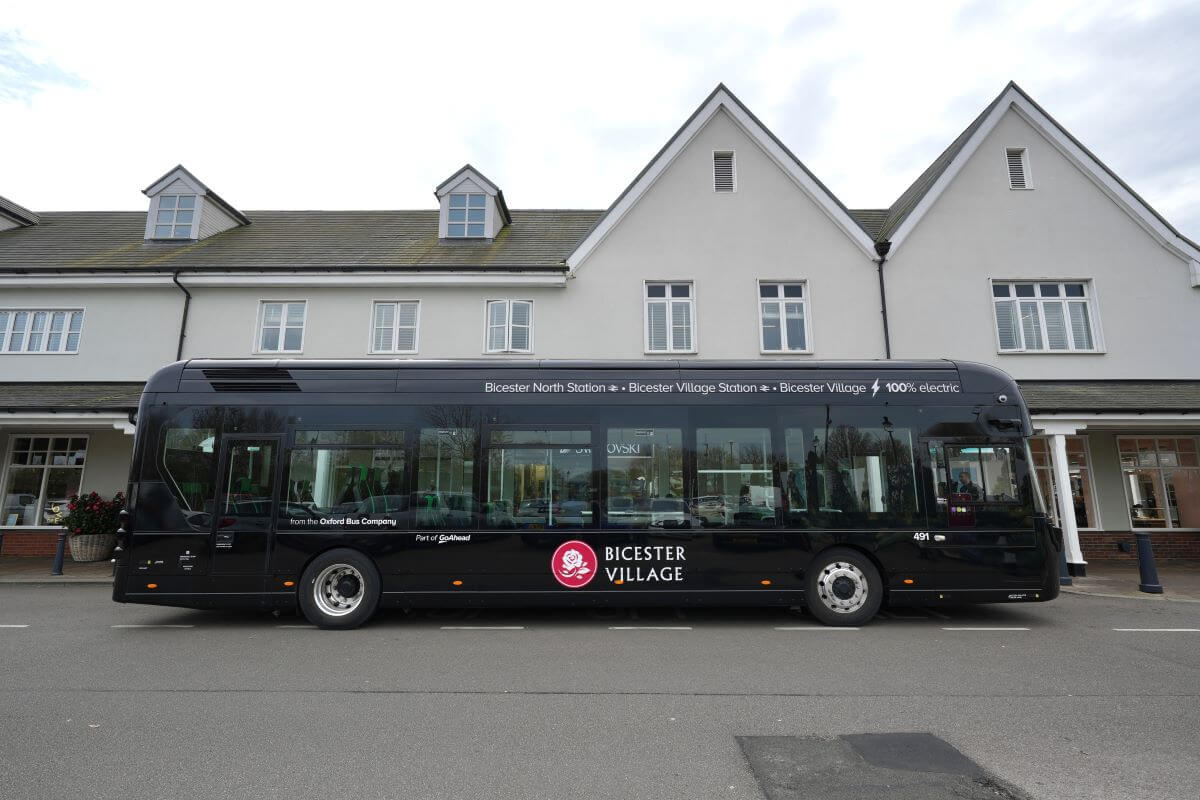
Following the arrival of 159 new zero-emission buses, Oxfordshire now boasts the largest fully electric bus fleet in the UK. This remarkable step diverts the county away from tailpipe emissions, bringing it closer to the goals of the road-to-zero strategy and a cleaner and greener future.
The county council has presented its own ambitious plans to transform the majority of its vehicle pool into electric vehicles. To be more specific, the plan is to make the whole car fleet emission-free by 2024 as well as vans and heavy vehicles by 2028. Such precedents will, no doubt, set an example for businesses and the general public to follow suit.
Overcoming Challenges & Seizing Opportunities
Despite all the developments described above, Oxfordshire still has a set of challenges to overcome. First of all, the county will have to introduce an EV acquisition scheme to make it possible for all residents, including low-income earners, to have access to green mobility. The affordability problem can also be tackled by promoting car-free initiatives such as carpooling or low-emission public transport.
The prospect of technological advancements is almost unlimited since the era of sustainable transport has just begun. Therefore, local authorities are beginning to work with research centres and private businesses to introduce the next generation of sustainable technologies – promoting the rapid expansion of a fully decarbonised transport system.
Oxfordshire’s Pioneering Spirit
With these ambitious plans and achievements, Oxfordshire county has taken the lead in the UK’s fight against the climate threat. The concept of sustainable advancements in transportation not only helps preserve the climate for future generations, but also makes the region a cleaner and safer place for its inhabitants.
As Oxfordshire continues to stride towards a greener future, it serves as inspiration for other regions of the country and presents a sustainable model for everyone interested in a better, greener future.