Buying a car is a significant financial decision. As well as the initial purchase price, there are a range of ongoing costs you need to factor into your budget.
Having a good understanding of these expenses will ensure you choose a model that’s affordable in the long run.
To help you with your decision, we’ve put together a guide on some of the costs associated with owning a car below.

Depreciation
Depreciation is the loss of value that a car experiences over time. This is one of the most significant costs associated with owning a car, with vehicles potentially losing 15-35% of their value in the first year.
The rate of depreciation varies depending on the make, model and state of the vehicle.
Keeping your car in good condition and following recommended maintenance schedules can help mitigate depreciation costs.
Insurance
Insurance is a mandatory cost that you’ll need to factor into your ongoing budget. A recent article from The Guardian says that “the average price of car insurance in the UK has broken records to stand at close to £1,000 after price rises of more than 50% last year”.
Car owners will now “pay £995 for their car insurance, on average”, though this can vary widely based on factors such as the car model, the driver’s age, location and driving history.
If you’re keen to keep the price of your insurance down, choose a vehicle that sits in a lower insurance category. Once you’ve picked a make and model, head to a comparison website to view insurance quotes and find the best deal.
Tax
Car tax is another cost you’ll need to cover every 6 or 12 months. The government website says “you’ll pay a rate based on a vehicle’s CO2 emissions the first time it’s registered”.
A higher rate is payable for “diesel cars that do not meet the Real Driving Emissions 2 (RDE2) standard for nitrogen oxide emissions”.
You also have to pay an extra £410 per year if your vehicle has a list price of £40,000 or more, except for zero-emission vehicles.
Fuel
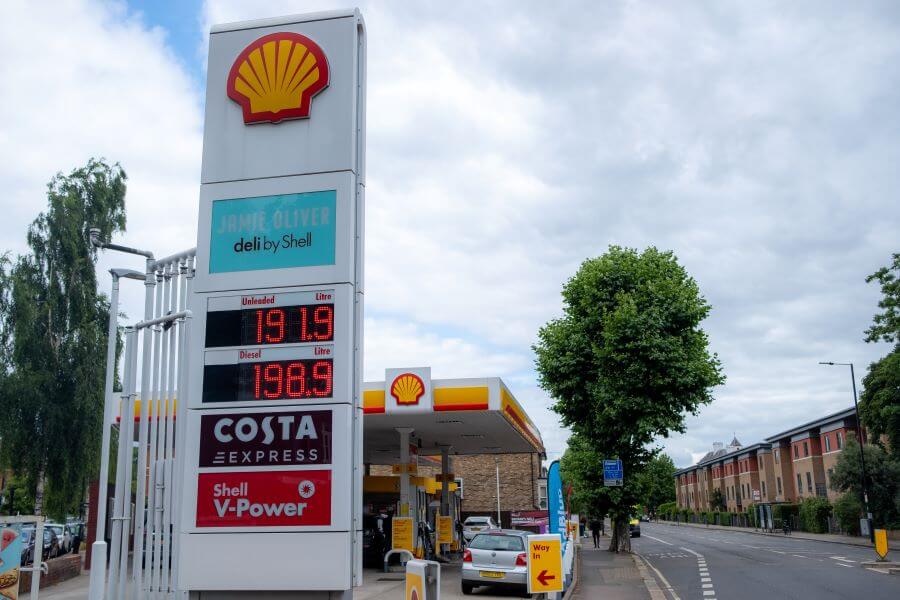
Fuel costs can be significant, especially for drivers covering a lot of miles. The “average household expenditure” was £18.90 per week in 2022 according to Statista, a total of £982.80 per year.
Fuel efficiency varies by vehicle type and driving style, with diesel generally being more economical for drivers who cover more miles.
Petrol tends to be most popular for those making short journeys, while electric models are ideal for those keen to save money on fuel.
Maintenance and repairs
Routine maintenance and occasional repairs are part of owning a car. You’ll need to fork out for an annual MOT and service every 12,000 miles or 12 months.
Depending on the age and condition of your car, you may need to pay for things like oil and filter changes, replacement of wiper blades and changing your tyres. Of course, parts like tyres can vary in cost, depending on the quality and manufacturer you choose.
For instance, the price of specialist Hyundai tyres will depend on what they are made from, their durability and life span.
It’s wise to budget for unexpected repairs like tyre replacements to avoid any financial surprises.
Owning a car can be expensive. However, understanding these costs can help you manage your budget more effectively and ensure your vehicle remains a valuable asset rather than a financial burden.