In 2024, more than 130,000 British nationals headed to retirement in Spain to spend their golden years in the warmer Mediterranean climate with the growing British ex-pat community.
While things are more difficult since Brexit, who said retiring in Spain had to be complicated in 2025? If you’re looking to enjoy the sun and embrace your new Southern European lifestyle ASAP without getting bogged down in paperwork, you’ve come to the right place.
Here, we’re sharing a straightforward guide to retiring in Spain and managing your pensions in Spain. So pour yourself a glass of Rioja and let us do the hard work for you.
Secure the Right Visa First
Before you can sip sangria full-time, you’ll need a legal residency permit. Retirees commonly apply for one of two options:
- Non-Lucrative Visa (NLV): Ideal for those with passive income (like pensions). It requires proof of sufficient funds but doesn’t allow work.
- Golden Visa: Available to those investing €500,000+ in Spanish property, great if you’re looking to buy and gain flexible travel in the EU.
Learn more from the Spanish Consulate.
Next Steps After Arrival
Once you enter Spain, you’ll need to complete two essential administrative steps:
- NIE (Número de Identidad de Extranjero): This is your foreigner tax ID—required for just about everything: renting property, opening a bank account, or registering with a doctor.
- Empadronamiento: This is your local registration at the town hall. It proves your residence in a specific town and is required to access healthcare, apply for a bus pass, and more.

Keep Your UK State Pension Flowing
If you don’t want to complicate your existing pension setup, you’ll be pleased to hear that you can carry on receiving your UK State Pension while you’re living in Spain, as long as you’ve paid enough National Insurance contributions (at least 35 year’s worth, easy if you’re nearing or already at retirement age as you plan your move).
To make sure your payments are uninterrupted after you relocate, you’ll want to contact the UK Pension Service to inform them about your move. We also recommend applying for an S1 form, which is easy to do and will give you access to Spain’s public healthcare system (costs are covered by the UK).
But heads up:
- Not all regions offer identical healthcare services, coverage may vary by autonomous community.
- You might still want private insurance for faster access or coverage for extras like dental or specialist care.
Make Sure You Understand Taxation on Pensions in Spain
Taxes always complicate matters somewhat, but it’s wise to be aware of what to expect when it comes to tax implications in retiring to Spain pension before you change anything.
Once you become a Spanish resident, your global income (which includes your pension) will be subject to Spanish income tax. The income tax rates in Spain range from 19% to 47%, with the exact amount depending on your income bracket. The good news is that you won’t have to pay your taxes twice, as is the case in some countries, as the UK-Spain Double Taxation Agreement means you legally only get taxed once.

Look Into Options for UK Pension Transfers
Nobody’s saying you have to transfer your pension once you move to Spain, but it’s still worth considering depending on your circumstances.
A popular option amongst retired UK expats in Spain is the Qualifying Recognised Overseas Pension Scheme (QROPS) Spain. Transferring your pension to this scheme can help you avoid significant tax in the UK and distribute your funds in multiple currencies.
In some cases, it might make more sense for you to transfer your pension to a Self-Invested Personal Pension (SIPP), which gives you control over investments (as long as you’re comfortable managing your own portfolio). If you’re weighing up several international pensions or just don’t know what’s right for you, it’s worth getting in touch with an expat financial advisor, who can offer pension advice and help you choose the best option for your situation.
Beware of Exchange Rate Risks
If your pension is in GBP but your expenses are in Euros, fluctuations in currency can affect your monthly income.
To hedge this risk, consider:
- Multi-currency bank accounts
- Scheduled currency transfers via services like Wise, Revolut, or OFX
- Speaking to an advisor about currency risk mitigation before relocation

Choose a Town That Doesn’t Require a Car
If the idea of Spanish driving tests doesn’t sound like a part of your your new retirement routine, you might want to avoid driving altogether and pick a walkable town with good public transport.
In places like Javea, Estepona, Almería, and Sitges, you’ll be able to walk 10 to 15 minutes to reach everything you need, like the local beach (or beaches!), doctors’ clinics, supermarkets, pharmacies, and plenty of cafes and restaurants.
Top tip: if you’re moving to a city like Valencia or Alicante, apply for a local transport card, a lot of these offer discounts to seniors or retired people, with some regions even letting you travel to free when you’re over 65.
Consider Supplementing Your Pension With an Individual Pension Plan
If you’re already receiving a UK pension(s), there is, of course, no need to supplement with any extra pensions in Spain. But it’s worth being aware of the benefits of a Spanish Individual Pension Plan when you’re considering your options.
Individual Pension Plans are a bit like personal pensions in the UK. The idea is that you make contributions (up to €1,500 a year), which can be deducted from your taxable income. These pensions might only make a small difference, but they still offer a useful way to reduce your Income Tax Spain, especially if you’re still working part-time or have income from rentals or dividends.
That said, Individual Pension Plans aren’t always worth the extra admin due to their high management fees, particularly if you already have a healthy UK pension.
Know the Rules on Inheritance
Unlike the UK, Spanish inheritance laws are stricter, especially around forced heirship rules. This could affect how your estate is passed on to loved ones, even if your will says otherwise.
You may need:
- A Spanish will, separate from your UK one
- Professional advice if you have significant assets or family obligations
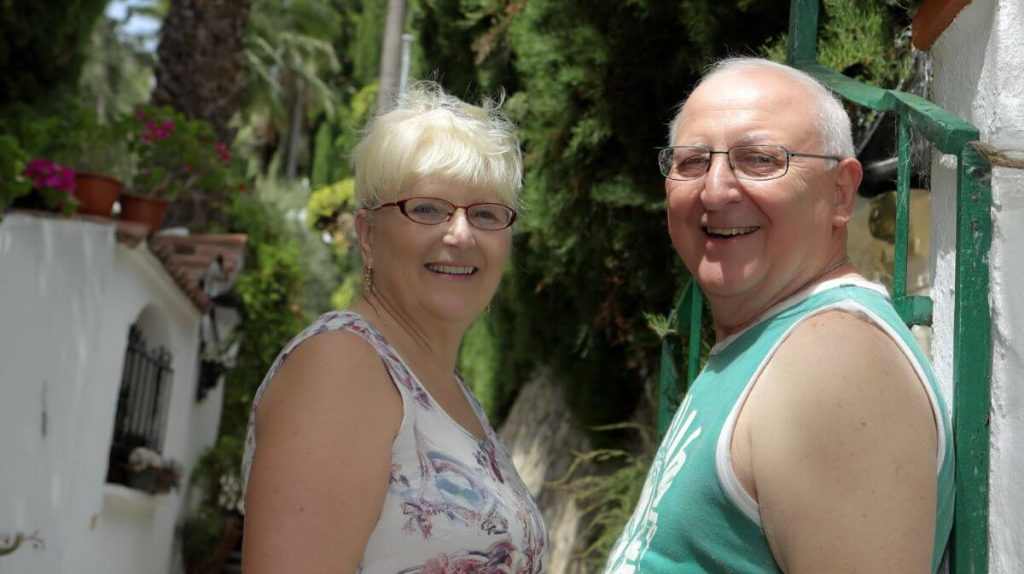
Real-Life Snapshot: Derek & Sue, 68 & 66, from Oxford
After a big debate on the Cotswolds or Spain, we took the decision for health reasons to try the warmer Spanish lifestyle. We sold our Kidlington home and moved to Estepona (main image) in 2021. The non-lucrative visa process took a few months and buying property was relatively easy. But now we live 10 minutes from the beach which the grandkids love when they visit. Yes there was culture and language barriers at first, but many locals speak English so the adjustment was quick.
We have private health insurance for peace of mind, and have a euro account for all spending here. Pension transfers? We stuck with our UK setup in case we struggled to settle, but our advisor helped us keep it tax-efficient. Honestly, retiring here was easier than we thought and the ex-pat community gives us a better social life than we had before. Importantly we don’t dread winter, and are bog fans of the cuisine.
Final Thoughts
Spain has a whole lot going for it, with its relaxed lifestyle, warm climate, lower cost of living, friendly locals, and delicious food. It’s easy to see why retiring here is so much more appealing than in the UK.
Hopefully, this guide to retiring in Spain helped you to understand the basics of the logistical stuff before you can finally put your feet up on Spanish turf, but if you need additional assistance with retirement planning, the smart next step is to reach out to an expert.
We recommend finding an expat financial advisor who knows their stuff when it comes to both UK and Spanish regulations. They’ll be able to help you with whatever you’re unsure about, like transferring your pension or tax planning, or simply offer expatriate financial advice based on your specific situation.