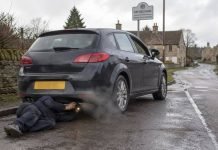

















Before buying a car, compare the full cost, check the vehicle’s history and understand what any finance agreement commits you to. A manageable monthly payment is only one part of the decision.
For Oxfordshire drivers, the routes you use also matter. Oxford’s Zero Emission Zone and traffic filters have different rules, and choosing an electric car does not remove every restriction.
1. Assess your budget and the full cost
Set a budget that leaves room for essential spending and unexpected repairs. Include the purchase price or finance repayments, insurance, fuel or charging, vehicle tax, servicing, tyres, MOTs, parking and any road charges.
Use the GOV.UK vehicle tax tables for the specific car. The amount can depend on when it was first registered, its emissions and original list price; electric cars are not automatically tax-free.
Depreciation is the difference between what you pay and what you later recover on sale. It varies between models, ages, mileage and market conditions, so a single first-year percentage is not a reliable forecast for every car.
Oxford journeys: the Zero Emission Zone (ZEZ) covers a small city-centre pilot area. Petrol and diesel vehicles, including hybrids, incur a daily charge when driven there from 7am to 7pm unless a full discount or exemption applies. Low nitrogen oxide emissions alone do not make a car charge-free. Check the council’s map and vehicle checker.
The traffic filters are a separate scheme. Electric cars are not exempt. Check operating times, routes and permits for the journeys you actually make.
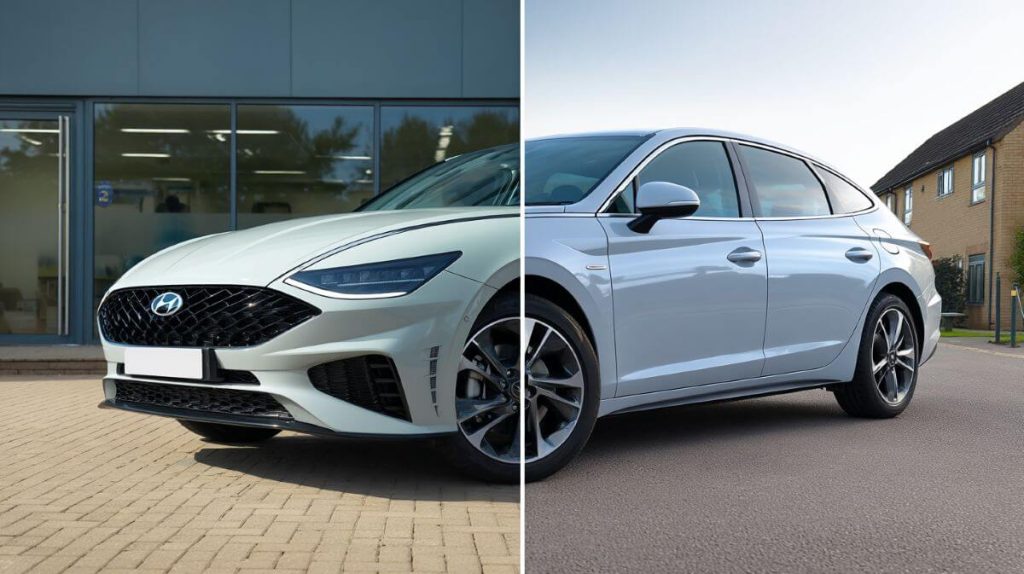
2. Compare new, used and nearly-new cars
Compare the price with the car’s condition, service record and the warranty actually offered. For a pre-registered or nearly-new vehicle, check its first registration date, previous use and how much of the manufacturer’s warranty remains.
For a used car, follow the government’s buying checks. Compare the seller’s details with DVLA records, inspect the original V5C log book, and match the vehicle identification and engine numbers. Look at MOT history and safety recalls as well as servicing records.
Citizens Advice recommends a vehicle history check for recorded theft, outstanding finance, mileage discrepancies and insurance write-offs. This is separate from a mechanical inspection. An MOT is not a comprehensive condition report: it does not cover the condition of the engine, clutch or gearbox.
Establish whether you are buying from a trader or a private seller. As The Motor Ombudsman explains, you have fewer legal protections in a private sale. Keep the advert, written answers to your questions and a receipt.
3. Understand how you will pay
Compare the deposit, APR offered to you, monthly payments, fees and total amount payable over the same period. Also check what it costs to end the agreement early and whether you will own the car at the end.
- Personal Contract Purchase (PCP): the final balloon payment is optional, but you must pay it to own the car. Returning the vehicle can involve excess-mileage or damage charges. See MoneyHelper’s PCP guide.
- Hire Purchase (HP): ownership normally follows completion of the payments, including any option-to-purchase fee. Check the agreement’s full cost and conditions.
- Personal Contract Hire (leasing): you normally return the car without an option to buy. Mileage and condition limits apply, and maintenance is included only if the contract says so. Read MoneyHelper’s leasing explanation.
- Personal loan or savings: you can buy the car outright, but a loan still leaves repayments and interest to budget for. Keep money available for other commitments and emergencies.
Missed PCP or HP repayments can put the car at risk of repossession. There is no universal percentage of income that makes a particular deal affordable: assess the full commitment against your own budget.

4. Get insurance quotes before committing
Obtain quotes for the exact vehicle and your intended use before agreeing to buy. Compare the cover, compulsory and voluntary excesses, exclusions and total cost, rather than just the headline premium. Give accurate details about drivers, mileage, modifications and where the car is kept.
Check insurance for a test drive explicitly; do not assume that your existing policy or the seller’s cover allows you to drive the car. Before driving a purchased car on the road, arrange the required insurance and tax. Vehicle tax does not transfer from the previous keeper.

5. Inspect the car and take a suitable test drive
View a used car in daylight and, where possible, dry weather. Check for warning lights, damaged tyres, signs of repairs and inconsistent wear. During an insured test drive, assess visibility, seating, steering, braking, gear changes and unusual noises.
If you are unsure about its condition, consider an independent inspection by a qualified mechanic or motoring organisation. Ask what that inspection covers and read the report before paying. A history check, a test drive and an inspection answer different questions; none should be treated as a promise that a car will never develop a fault.
Updated on 16 October 2026: corrected the description of Oxford’s ZEZ, clarified PCP and HP ownership terms, and expanded the used-car and insurance checks. Unsupported budgeting and depreciation percentages have been removed.