Electric vehicles (EVs) herald a transformative shift in how we think about and engage with transportation, offering a cleaner alternative to traditional vehicles. This shift brings a vital consideration to the forefront: the accessibility of charging infrastructure.
In Oxfordshire, as in many regions, developing a comprehensive and user-friendly EV charging network is vital to supporting the transition toward sustainable transport. Enhancing infrastructure places Oxfordshire at the forefront of electric vehicle adoption and promises a healthier environment and a better future for its residents.
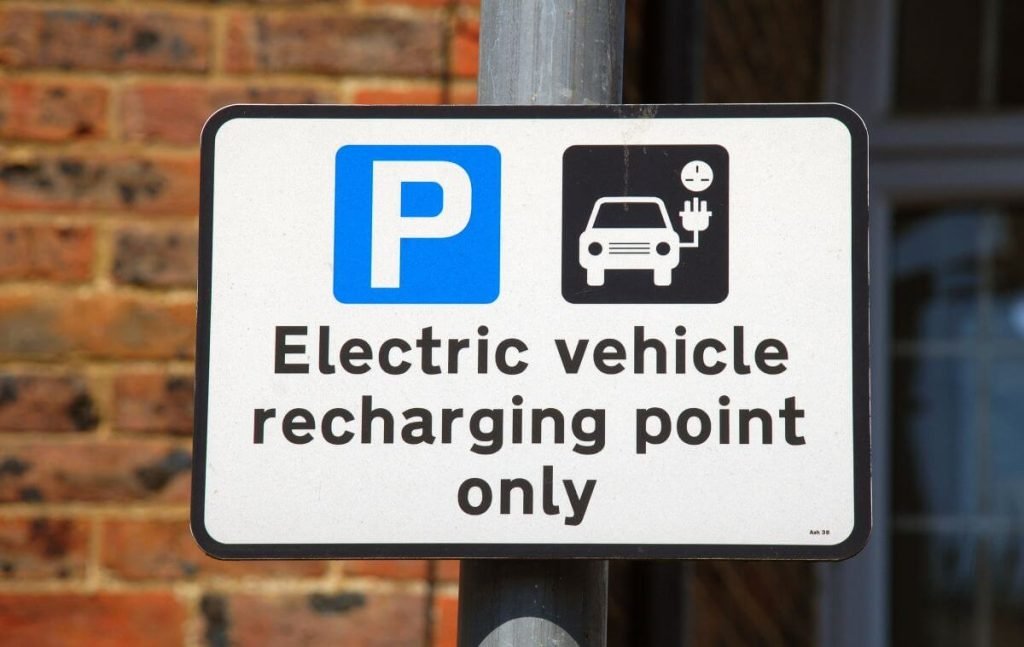
The Strategic Expansion of Charging Networks
Access to a wide-ranging charging network is pivotal to alleviating concerns for current and future EV owners. Oxfordshire residents, like those elsewhere, often hesitate to embrace electric vehicles due to the perceived inadequacy of charging stations. By implementing standardised Type 2 EV charger networks across the region, these concerns can be addressed while reducing range anxiety, a common fear that an EV battery might run out before reaching a charging point.
Strategically placed charging stations, such as those at shopping centres, workplaces, and public car parks, enhance convenience and drive wider adoption. Additionally, exploring home charging solutions complements public infrastructure by offering private, round-the-clock access to power.
EV Charging Cost Comparison
| Charging Method | Average Cost per kWh | Estimated Monthly Cost (1,000 miles) |
|---|---|---|
| Home Charging (Off-Peak Tariff) | £0.15/kWh | £25 |
| Public Slow Charging (7kW-22kW) | £0.40/kWh | £67 |
| Public Fast Charging (50kW+) | £0.69/kWh | £115 |
How to Install a Home EV Charger
Setting up a home charger is an excellent way to ensure convenient and cost-effective charging. Here’s a step-by-step guide:
- Step 1: Check your home’s electrical capacity and eligibility for an installation.
- Step 2: Choose a charger type (e.g., 7kW for faster charging).
- Step 3: Apply for the UK government’s EV Homecharge Grant (if eligible).
- Step 4: Hire a certified installer (look for OZEV-approved electricians).
- Step 5: Schedule the installation and test your charger.
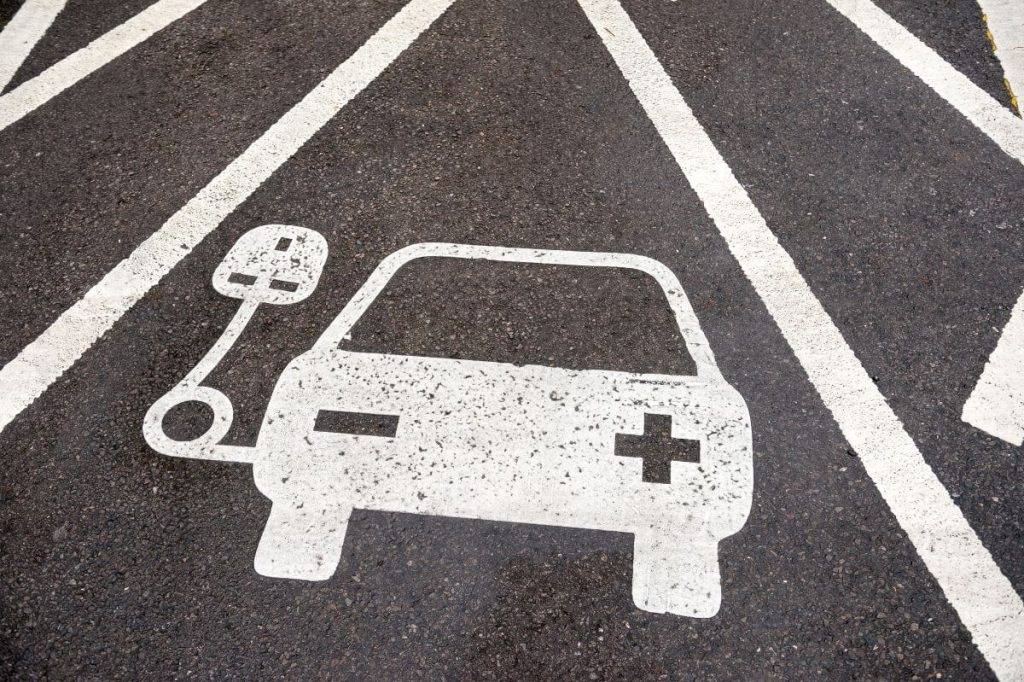
Building Partnerships with Local Authorities
Collaboration is essential in advancing EV infrastructure, requiring partnership among private businesses, local authorities, and community organisations. The success of these partnerships is evident in the remarkable growth of public charging infrastructure – the UK has seen a four-fold increase in public chargepoints over the last five years, with an average of 600 new chargers being added monthly, including 100 rapid chargers.
Local councils play a crucial role in identifying prime locations for new charging facilities and simplifying the planning and approval process. This rapid expansion, demonstrated by the addition of 2,448 charging devices to the public network in just one quarter (October 2021 to January 2022), shows how such collaborations ensure infrastructure development aligns with community needs while bolstering sustainable practices.
Educational initiatives led by councils can help educate residents on electric vehicles, emphasising their benefits and the availability of charging facilities. These efforts aid in overcoming misconceptions and encourage a shift towards electric mobility and crucial giving the essential infrastructure needed for it to run smoothly.
Oxfordshire’s EV Charging Expansion
Oxfordshire Councils are working towards adding 1,200 new public EV chargers by 2027, supported by a £3.6 million Local EV Infrastructure (LEVI) grant. This initiative focuses on lower-power (7-22kW) chargers to support residents who cannot charge at home. New installations will be placed in:
- 🏙️ Council and community-run car parks
- 🚗 Residential areas where off-street parking is unavailable
- 🏙️ Oxford City Council: Plans to install 100+ new public chargers by 2026.
- 🏪 Retail Partnerships: Supermarkets like Tesco and Lidl are adding free EV charging points.
- 🛣️ Motorway Expansion: High-power chargers are being installed along the A34 and M40 corridors.
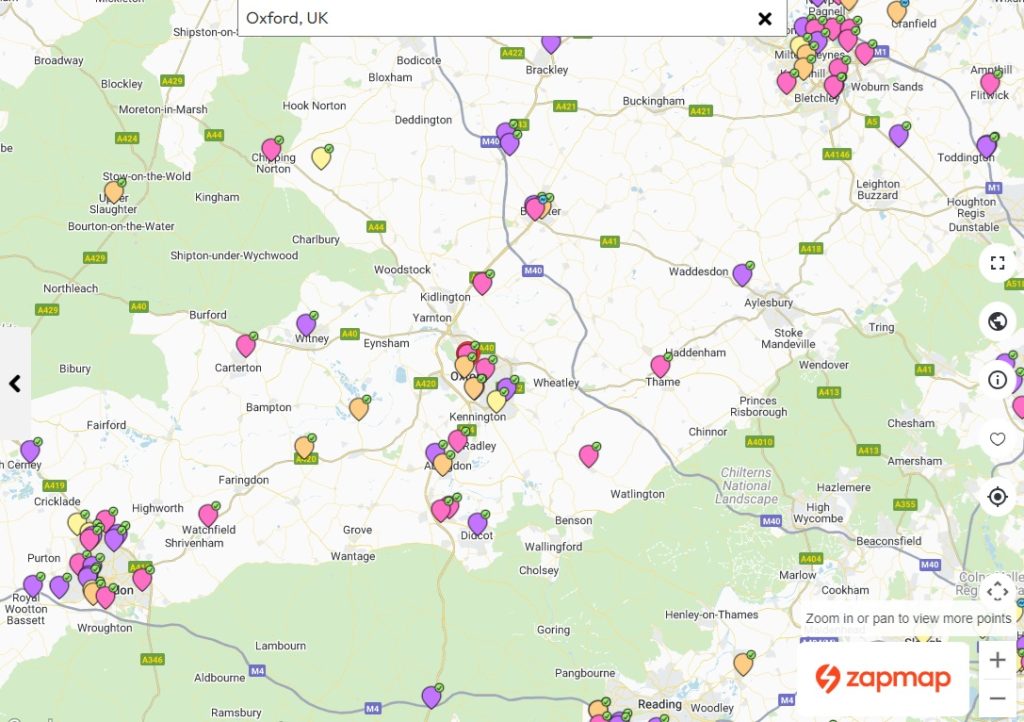
Oxfordshire EV Charging Locations
You can use the live EV Charging Map to find charging stations near you, including key commuting corridors (e.g., A34, M40, A40) with EV-friendly service stations. And even suggest new EV charger locations via Oxfordshire’s EV Demand Tracker.
EV Charging Providers in Oxfordshire
| Provider | Charging Speed | Location Coverage | Cost |
|---|---|---|---|
| BP Pulse | 7kW – 150kW | Oxford, Banbury, Bicester | £0.45/kWh |
| Gridserve | 50kW – 350kW | Motorway services | £0.69/kWh |
| Pod Point | 7kW – 50kW | Retail parks, supermarkets | £0.40/kWh (varies by location) |
| Osprey | 50kW – 175kW | Public car parks, city centres | £0.69/kWh |
| Tesla Supercharger | 150kW – 250kW | Oxford, motorway services | £0.28/kWh (Tesla users) |
Integrating Renewable Energy
The environmental benefits of electric vehicles are maximised when charging stations are powered by renewable energy. Recent studies demonstrate that for every 1% increase in renewable electricity production, carbon footprints decrease by 0.5%, highlighting the powerful impact of combining EV adoption with clean energy sources.
This approach reduces the carbon footprint associated with electricity consumption and aligns with broader sustainability goals. By incorporating solar panels, wind turbines, and other renewable sources into the charging network, the entire lifecycle of EVs remains environmentally friendly.
Solar canopies in car parks are a testament to this approach, offering shade while harnessing solar energy to charge vehicles. This initiative supports sustainable charging and highlights Oxfordshire’s commitment to innovative, eco-friendly solutions.
Future EV Charging Technologies
There is no doubt Oxfordshire councils will be fast-followers of improvements to EV charging, and research is underway on:
- Wireless Charging: Roads that can charge EVs wirelessly.
- Vehicle-to-Grid (V2G): EVs could feed power back into the grid.
- Ultra-Fast Charging: 350kW chargers could cut charging time to under 15 minutes.
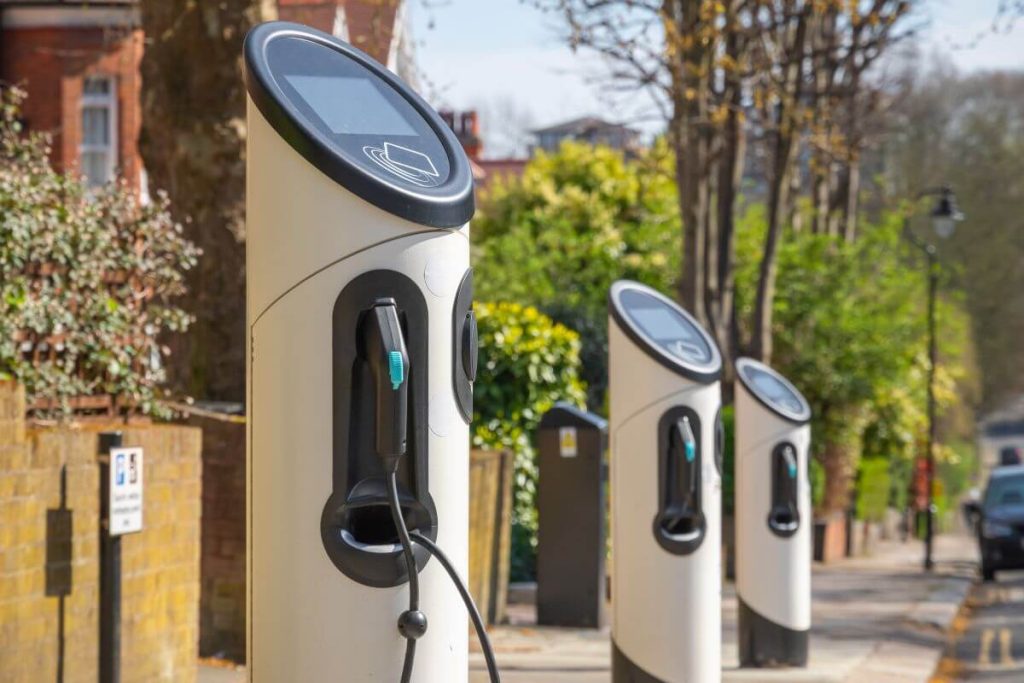
Promoting Residential Charging Installations
Public charging stations are indispensable; however, promoting residential charging installations holds significant value. The Department of Energy reveals that 80% of EV owners rely on home charging as their primary charging method, underscoring its crucial role in EV adoption. Home charging offers unmatched convenience, allowing EV owners to recharge overnight and begin each day with a fully charged battery. This benefit is particularly relevant in Oxfordshire’s rural areas, where public charging spots might be less prevalent.
Residents can explore various incentives and grants to make home charging setups more affordable, contributing to the community’s overall accessibility and reliability of EV charging. By taking proactive steps in establishing personal charging solutions, residents support a seamless transition to electric vehicles.
Embracing Future Innovations
As the EV market grows, so must the infrastructure supporting it. The UK government’s commitment of £1.6 billion to expand the charging network, aiming to install 300,000 public chargers by 2030, demonstrates this crucial need for growth. Oxfordshire should remain adaptable and open to new technological advancements in the field. Innovations such as ultra-fast and wireless charging can revolutionise how we power vehicles, enhancing convenience and efficiency.
Investing in research and pilot projects can establish Oxfordshire as a pioneering region in the EV industry. By fostering a culture of innovation, the community can stay ahead of the curve, adopting advanced, sustainable mobility solutions tailored to future needs.
Charting a Path Toward Sustainability
Accessibility to EV charging across Oxfordshire can significantly reduce regional carbon emissions and improve air quality, directly enhancing residents’ quality of life. Achieving this vision requires coordinated efforts from policymakers, businesses, and communities to expand and modernise electric vehicle infrastructure.
Such initiatives bolster Oxfordshire’s image as a forward-thinking, environmentally conscious region, attracting individuals and businesses keen on sustainability. Through collaborative efforts and a commitment to innovation, Oxfordshire can lead toward a sustainable, green future for everyone.
Final Thoughts
Making EV charging accessible across Oxfordshire requires a combined effort from policymakers, businesses, and communities. Whether using public stations or installing a home charger, residents can take meaningful steps toward sustainable transport. The rapid expansion of charging infrastructure will ensure that Oxfordshire remains a leader in the green energy revolution.
Frequently Asked Questions
- How many public EV chargers are available in Oxfordshire?
There are currently over 500 public charging stations across Oxfordshire, with more being added. - What’s the cheapest way to charge an EV at home?
Charging overnight using an off-peak electricity tariff is typically the most cost-effective option. - Are there any free public chargers in Oxford?
Some retail locations, like Tesco and Lidl, offer free EV charging while you shop. - How do I request an EV charger in my area?
You can suggest new EV charger locations via Oxfordshire’s EV Demand Tracker. - What grants are available for home EV chargers in the UK?
Check eligibility for the UK government’s EV Homecharge Grant.